割包 | Fluffy Steamed Gua Bao
割包 | Fluffy Steamed Gua Bao
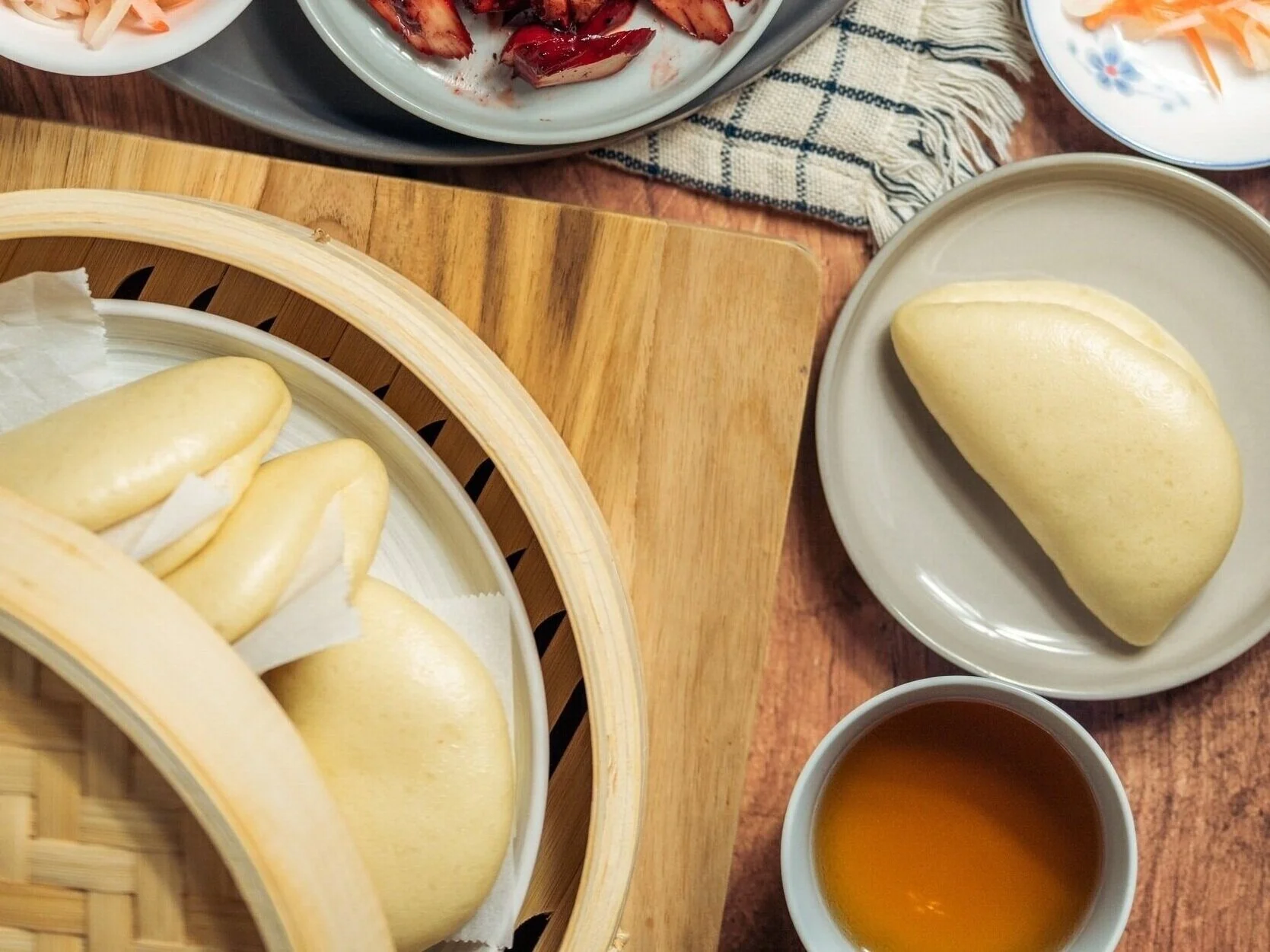
割包 in Mandarin the translation is ge, pronounced as: g-uh, and simplified as 刈包. It was popularized by the Taiwanese with the spelling gua, pronounced: gw-ah.
However you know them from: gua bao, lotus leaf bun, or the literal translation - cut bun, it originates from Fuzhou, which is the capital of Fujian Province in China.
When Taiwan split from mainland China, the bulk of the immigrants came from Fujian. Fujian also known as Fukien or Hokkien depending on the dialect, is located in the Southeastern coast of China.

The gua bao is a festival dish popularized by Northern Taiwanese during the Weiya Festival. A festival widely known to celebrate employees at a banquet.
The gua bao was adapted by the Taiwanese. It’s considered a festival dish used by Northern Taiwanese during the Weiya Festival.
The Weiya Festival originated in China as a way to celebrate Tudigong (土地公), the God of the Soil and Earth. It eventually transformed into a celebration of employees via banquets, making the gua bao exceptionally popular among those dishes.
This steamed bao is soft, fluffy, tender, and faintly sweet. It’s thick enough to hold meaty and juicy fillings and sturdy enough to not break down.
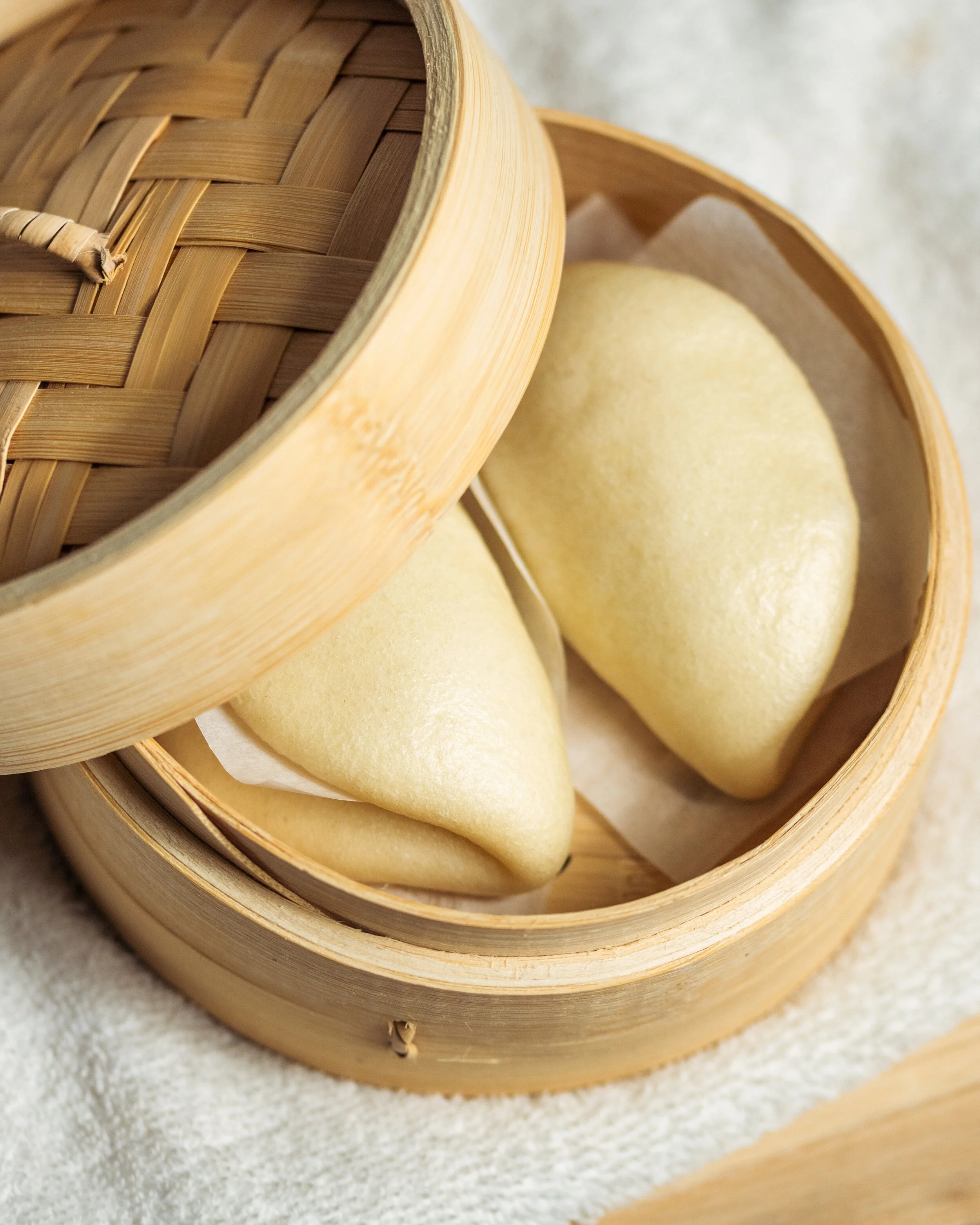
A great gua bao should not absorb liquid, get mushy or break in half. It tears when pulled and is steamed to perfection.
THE DO NOTS
Great gua baos should not absorb liquid, get mushy or break in half. It should be soft and tear when pulled. Depending on the application, it should not be overly sweet.
They should be small, white, hand sized, steamed doughy buns that are fun and easy to eat. Here are some easy pointers to help us be successful.
Do Not steam over proofed baos
Do Not use high heat to steam
Do Not allow the steam to drop onto the dough
Do Not leave the dough uncovered
MEET THE PLAYERS
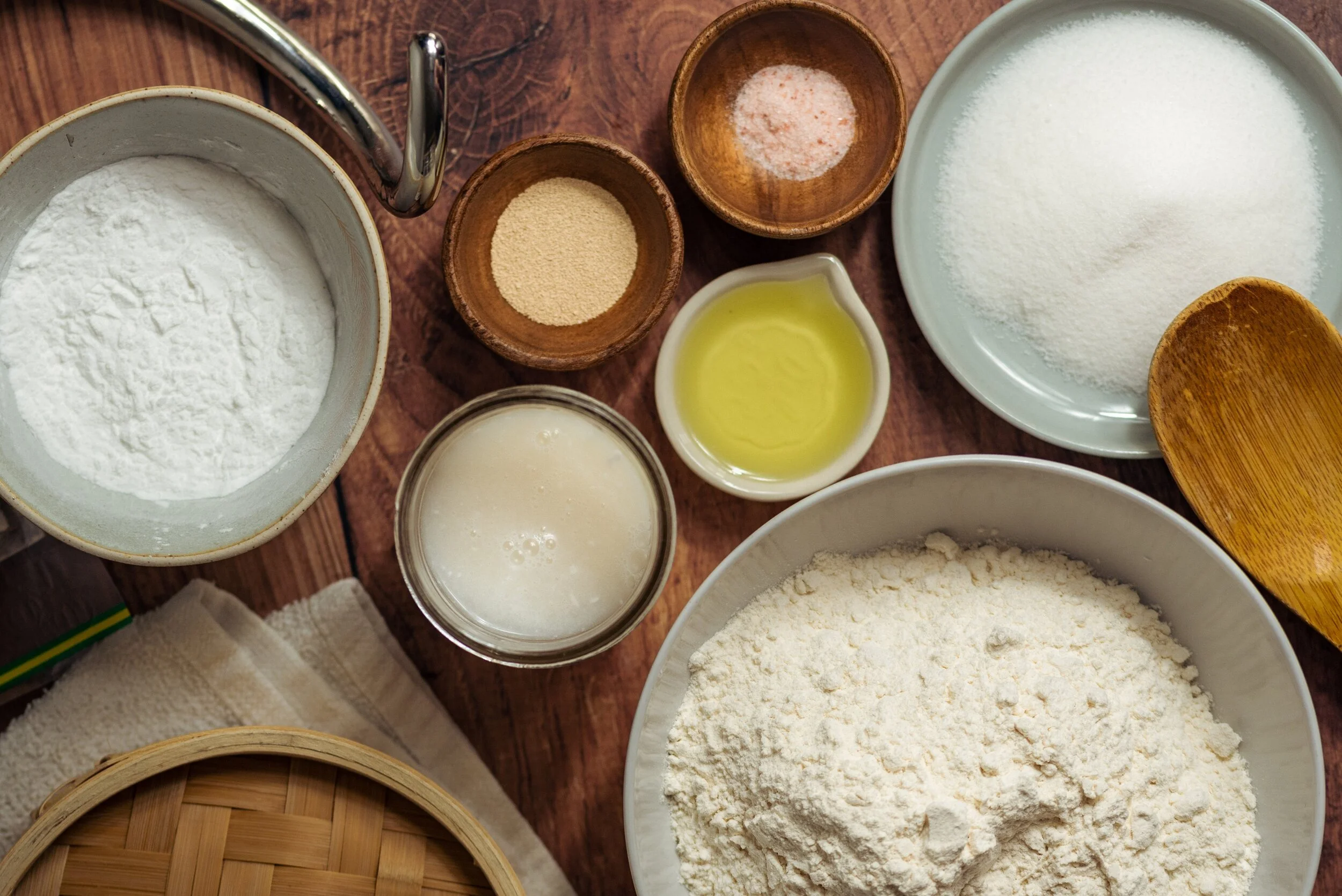
Meet the key players to what makes perfect, chewy, fluffy homemade gua baos.
All Purpose Flour
No fancy flours needed here. All purpose flour works great. The protein content on this flour makes it ideal for this recipe.
Some will use self raising flour, but self raising flour is with the addition of baking powder and salt. I prefer to control the amount of both ingredients. My specialty being vegan baking, it’s easier to use flour in its purest form.
Baking Powder
To use it or not to use it? I’ve troubleshooted this recipe over 20 times. I can tell you that the buns are a little rounder, a little puffier with the addition of baking powder.
In a pinch if you don’t have it, your bun will be fine. It won’t be as voluminous, but it will still taste good.
Wheat Starch
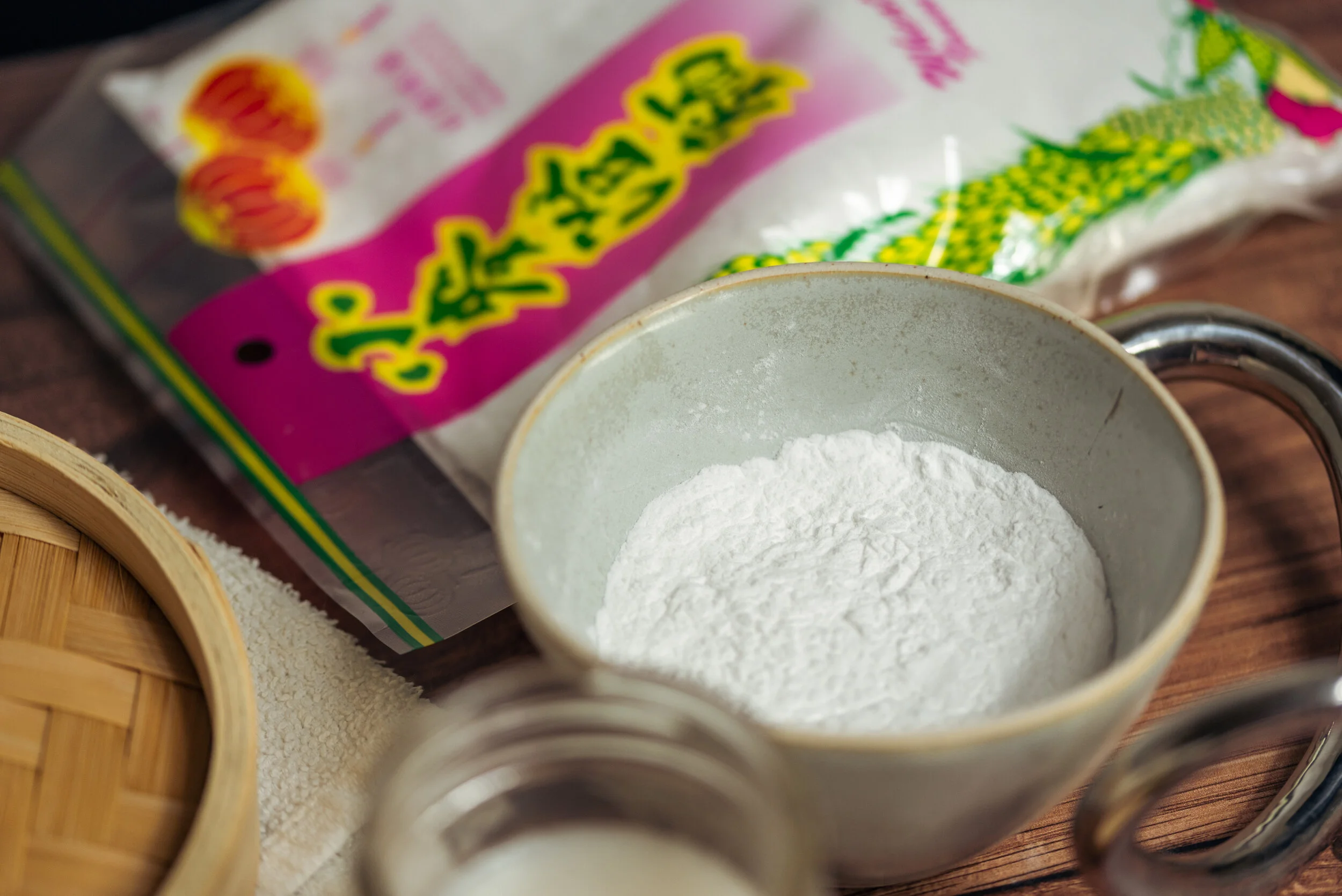
Wheat starch is a key player in this recipe. It makes the dough more durable and elastic.
Gua baos can be made without wheat starch, but there is a noticeable difference.
The wheat starch makes the dough more durable and chewy without breaking down like a bad burger bun.
Wheat starch supports texture and moisture retention. It’s similar to cornstarch, but the efficacy in this recipe is notably different.
You can find this at any Chinese/Vietnamese grocery store or online here.
Yeast
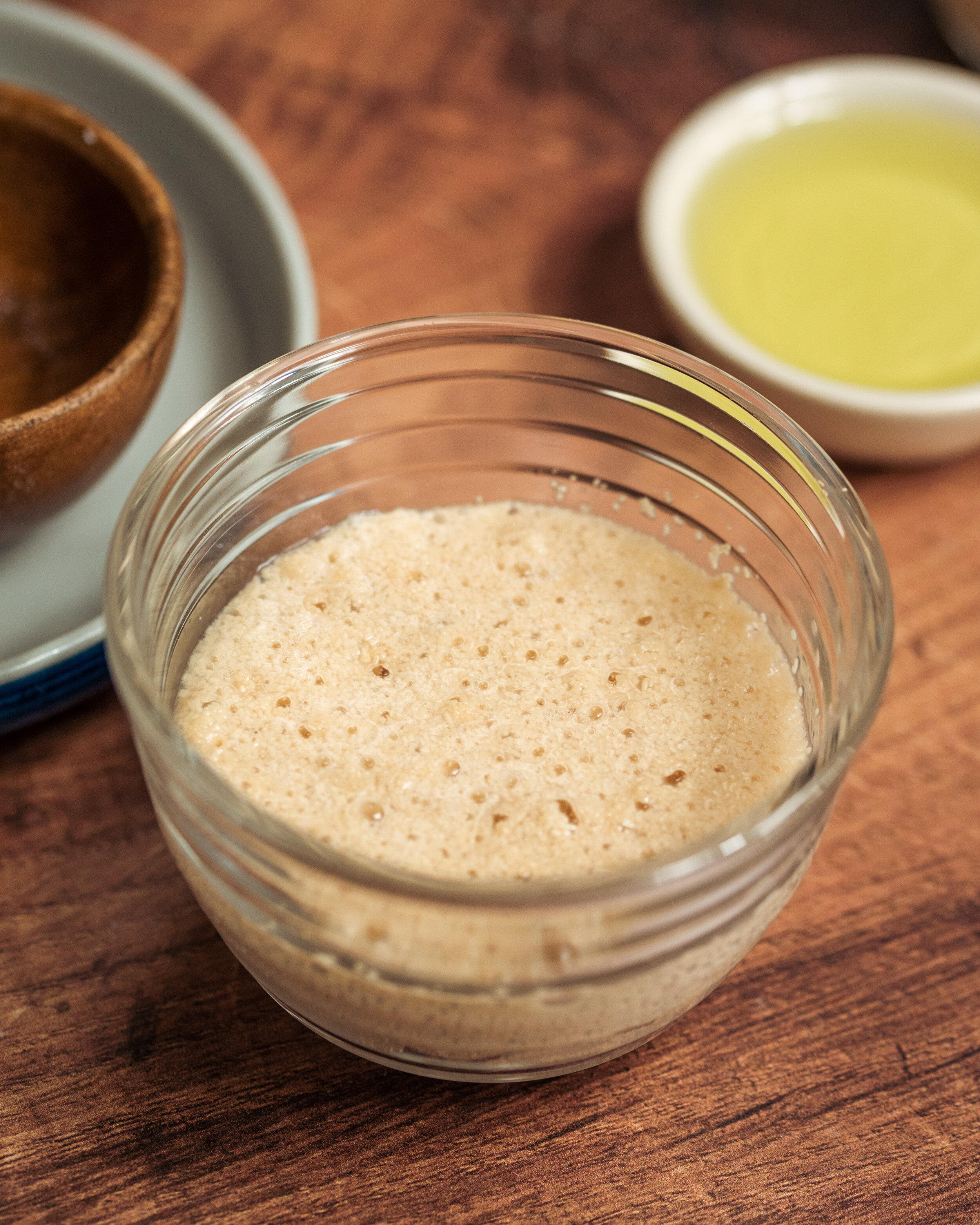
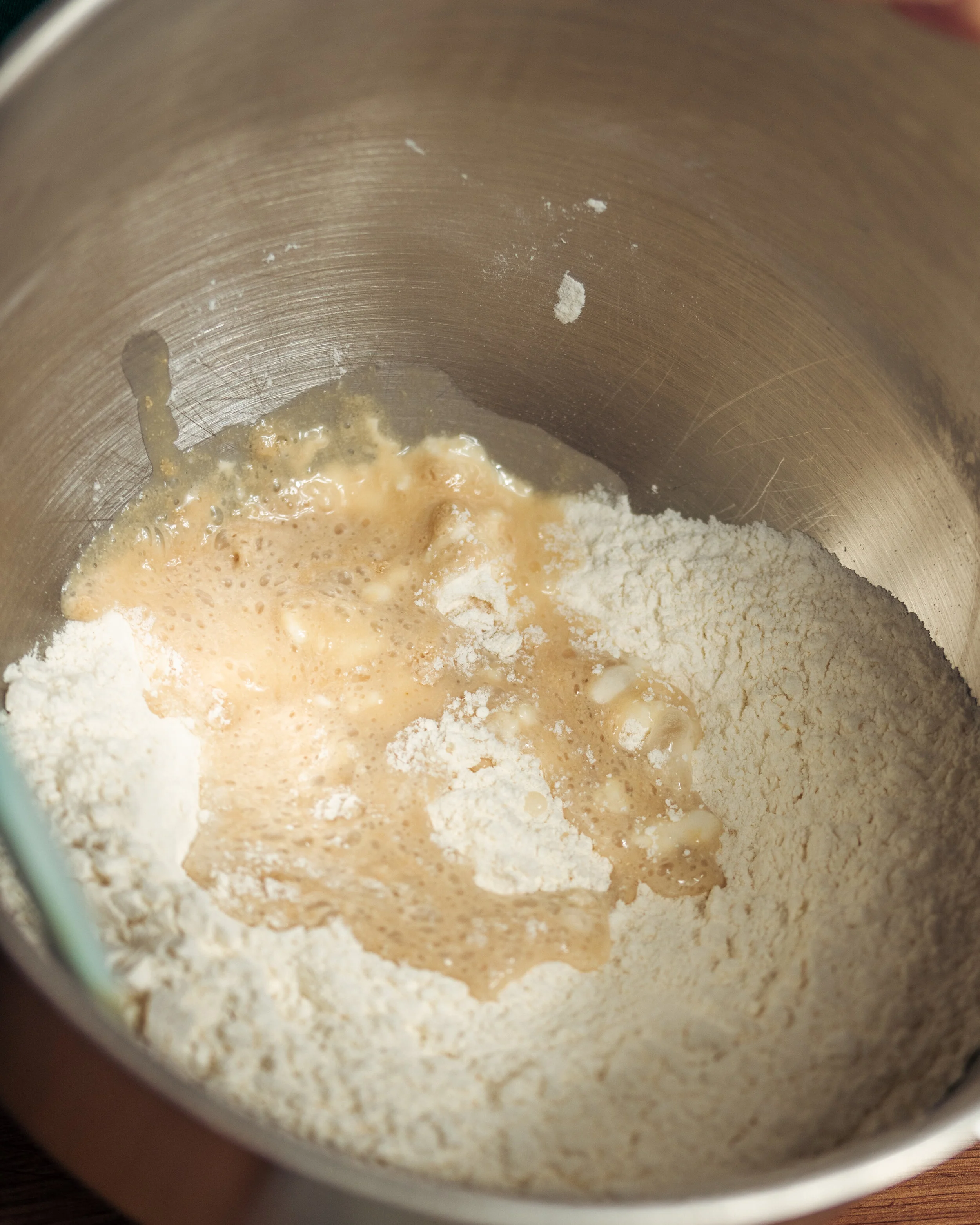
Active yeast is good because you can check to see if it’s still alive when it blooms as pictured here.
Active, instant, fresh, what to use? I’ve always used active. I might have adverse reactions to instant anything other than ramen.
It is easier to buy it in bulk and place it in the freezer. I like to check the efficacy through blooming. Waiting for a recipe to work to see that my yeast failed doesn’t sound like fun.
You can’t make a good gua bao without yeast. Blooming and seeing it foam, is double checking a math problem before submitting for an answer. Easy enough.
SPECIAL TIPS
If you’re viewing this on a mobile device, turn your phone to landscape mode (sideways) to view text below in detail.
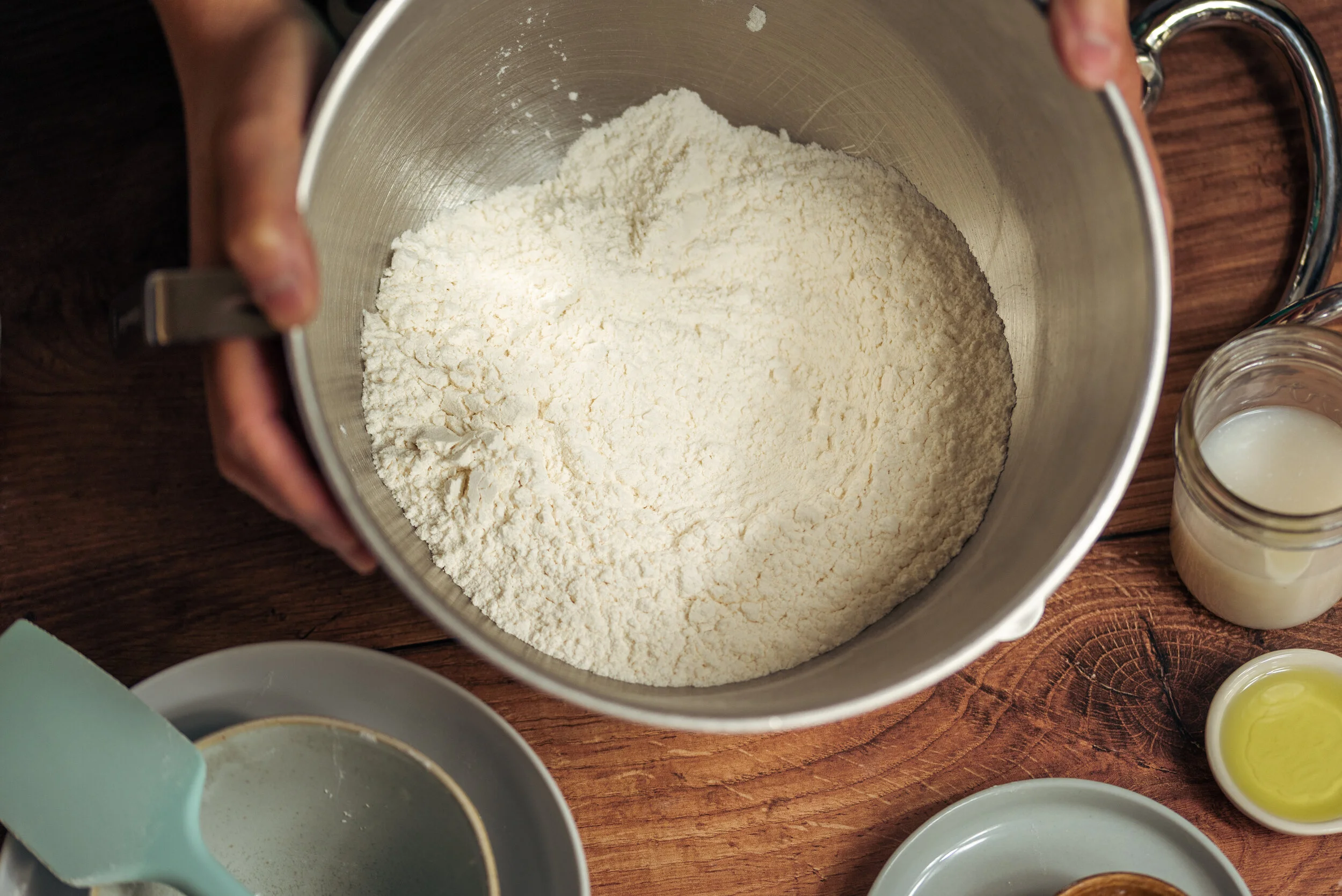
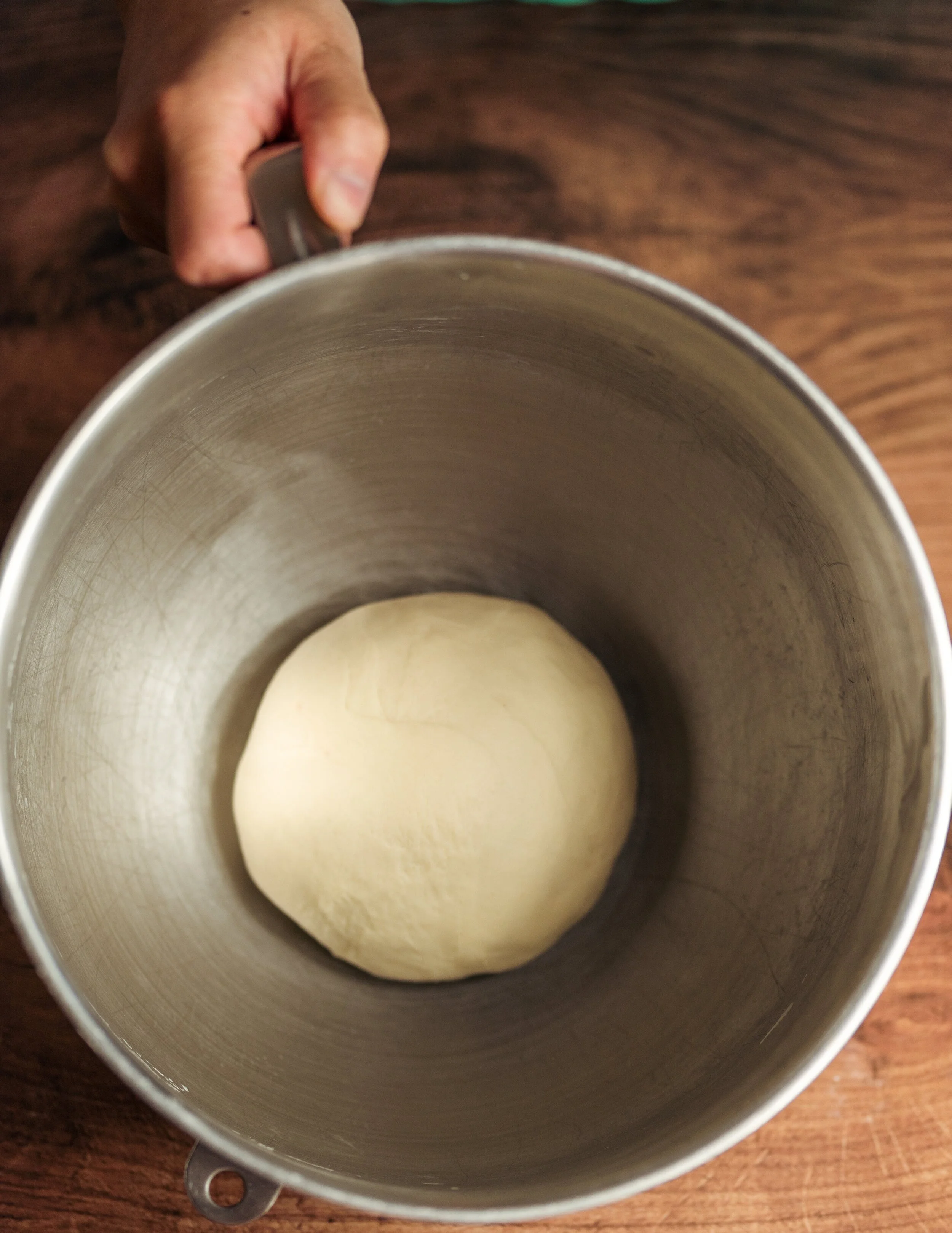
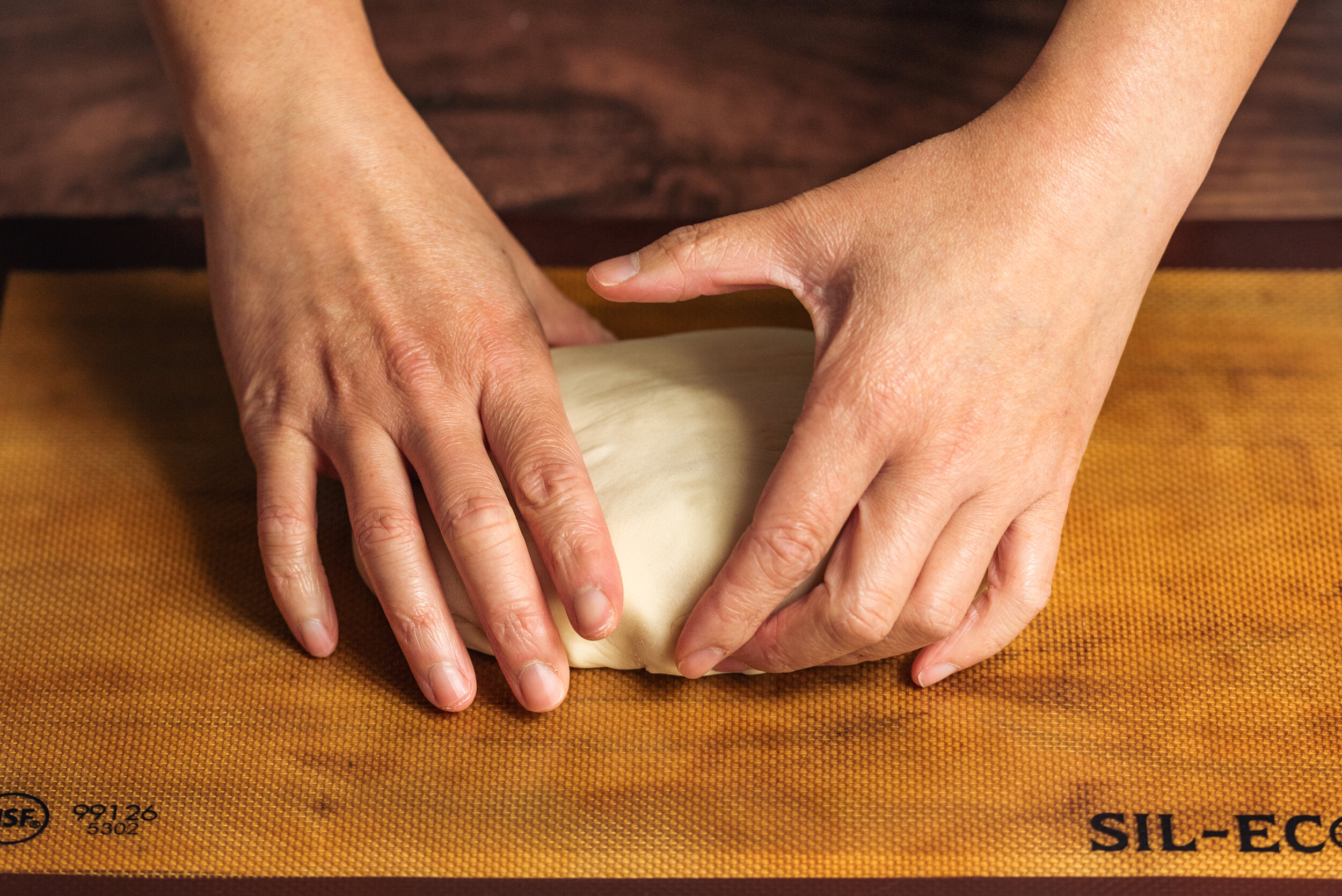
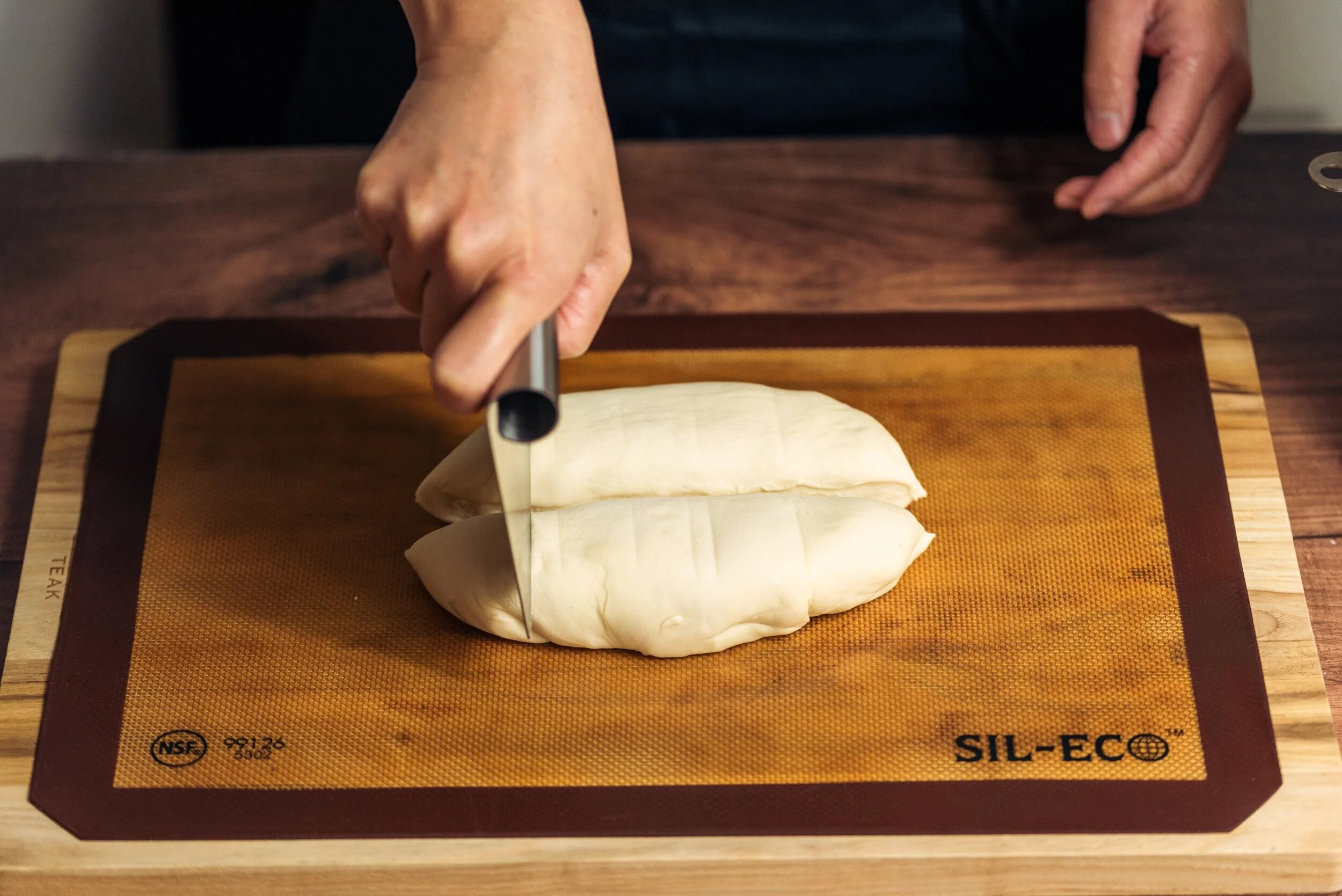

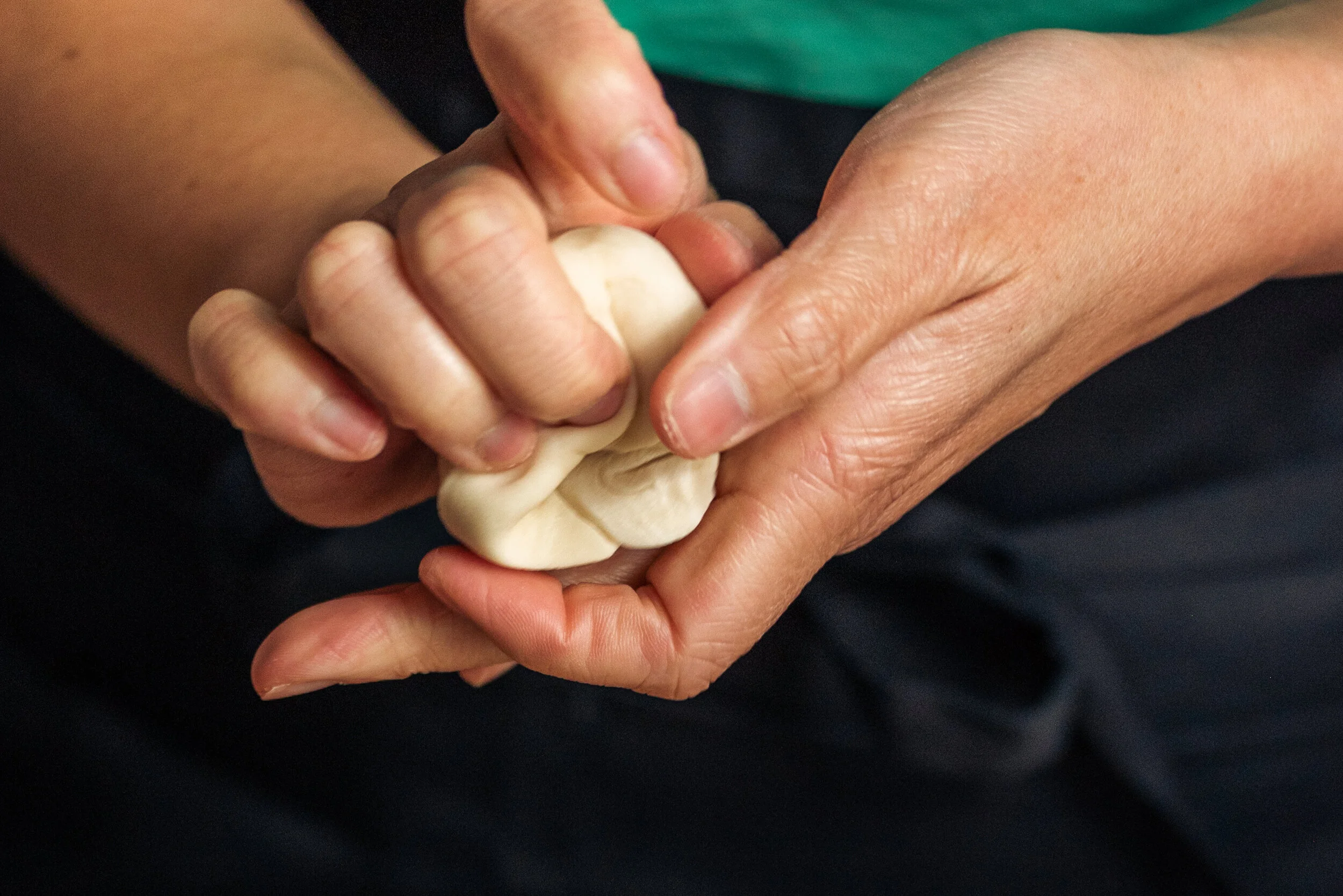
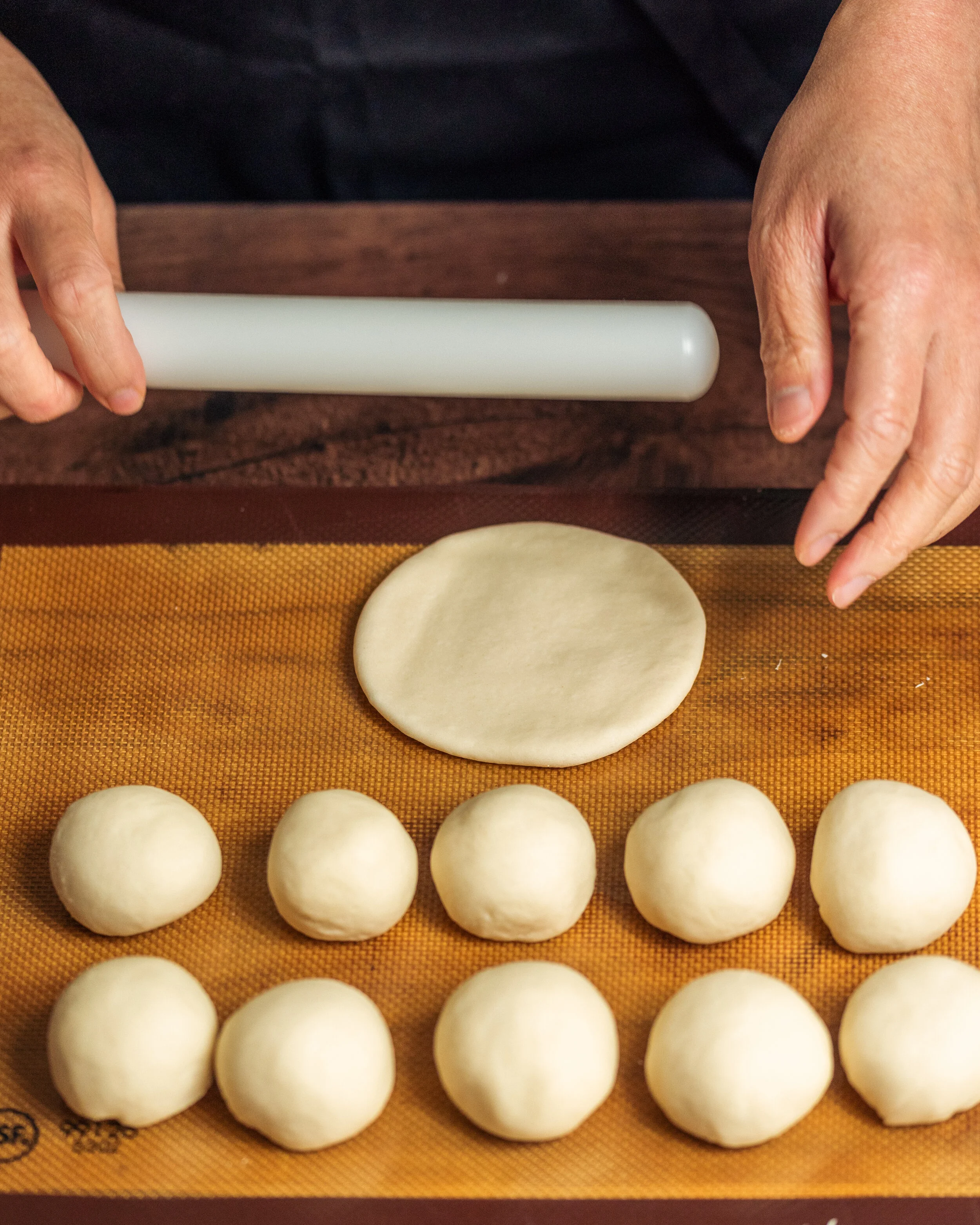
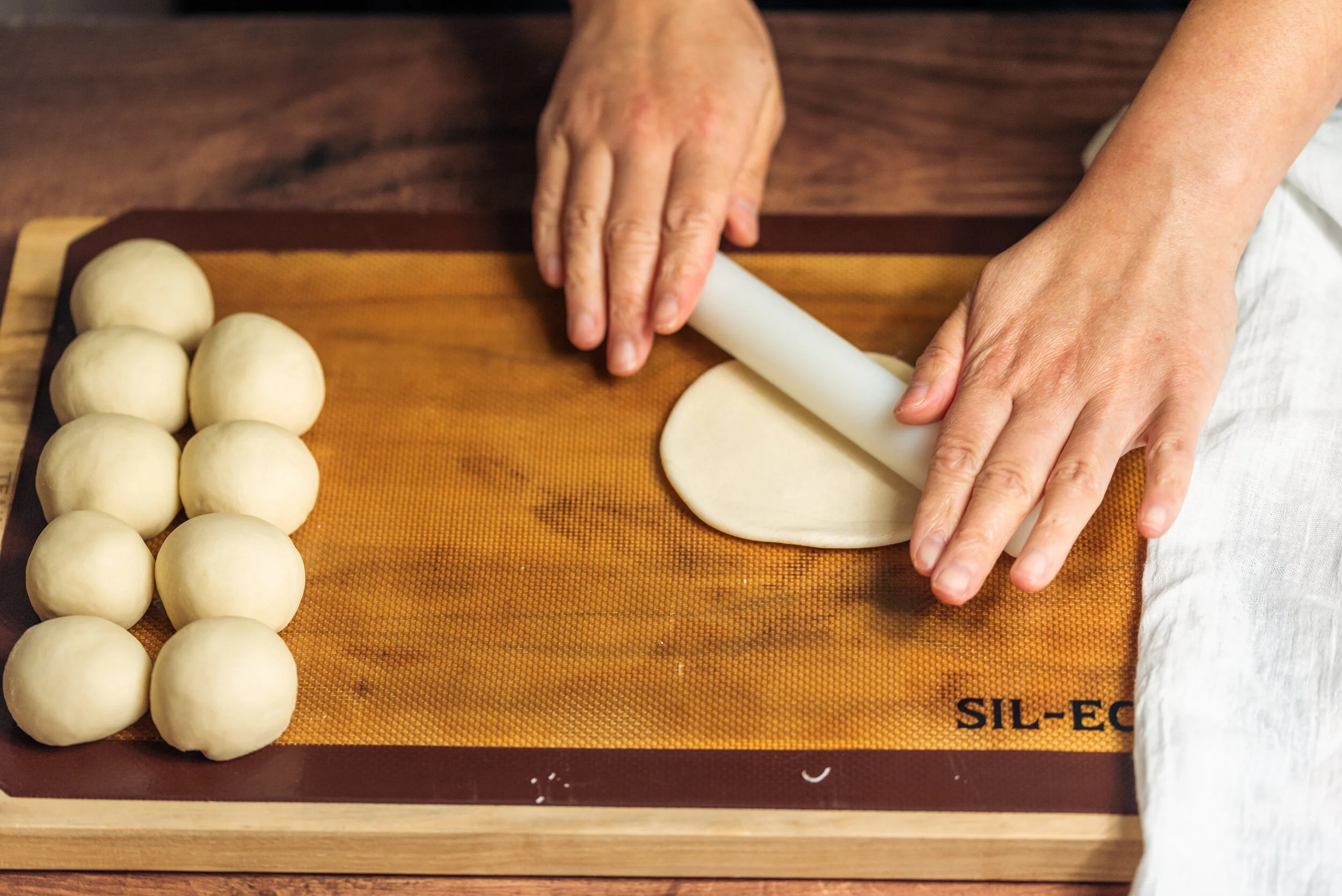
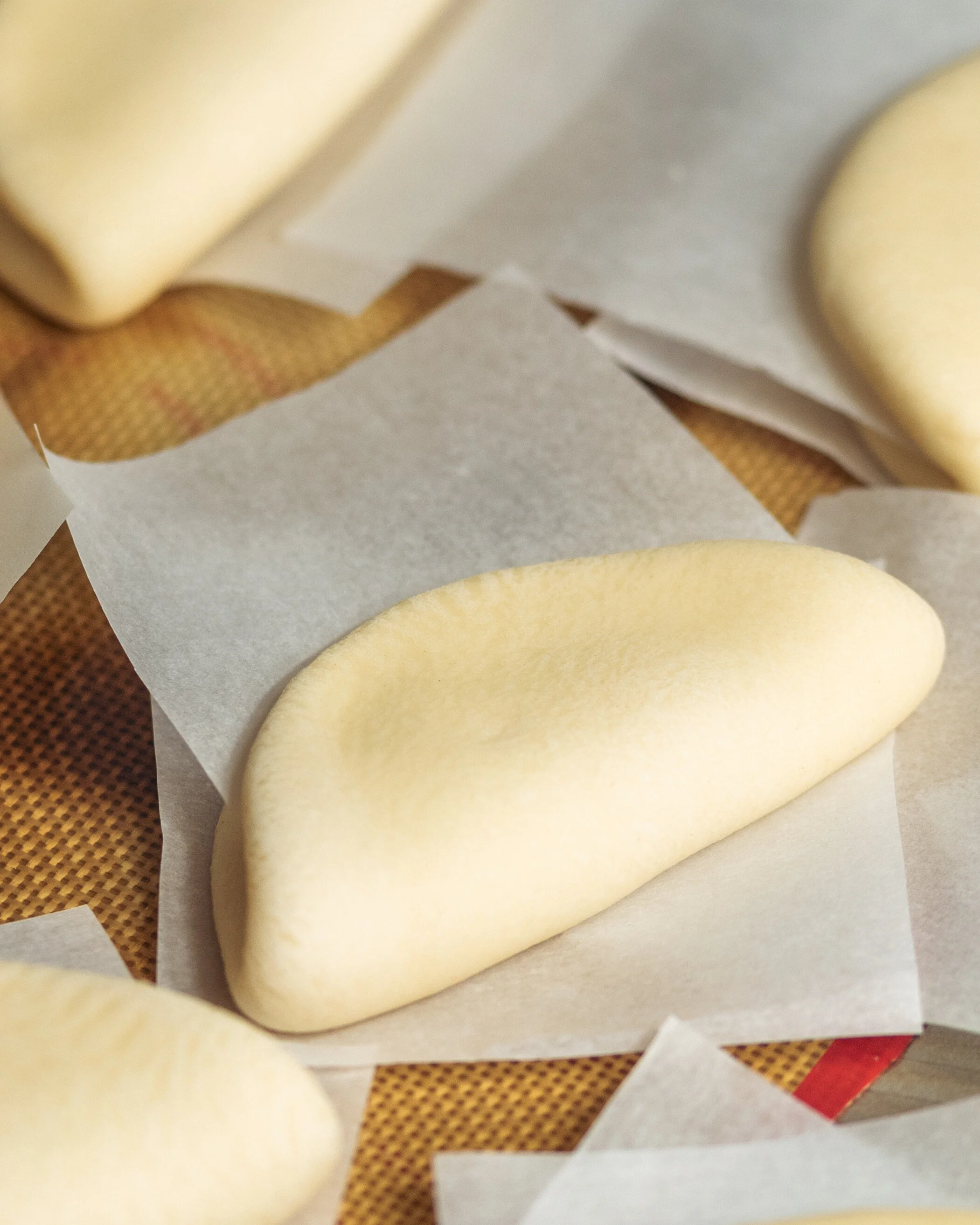
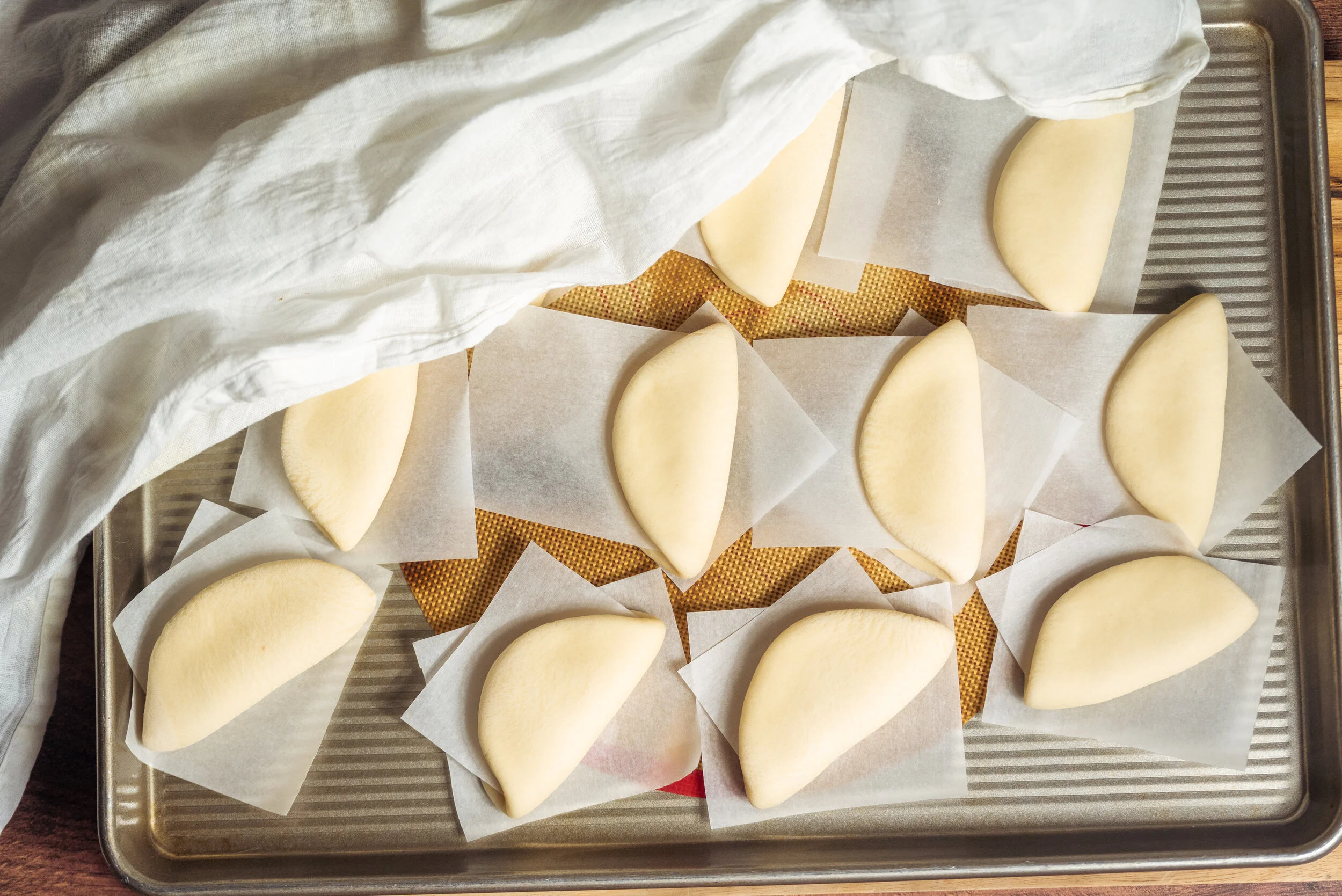
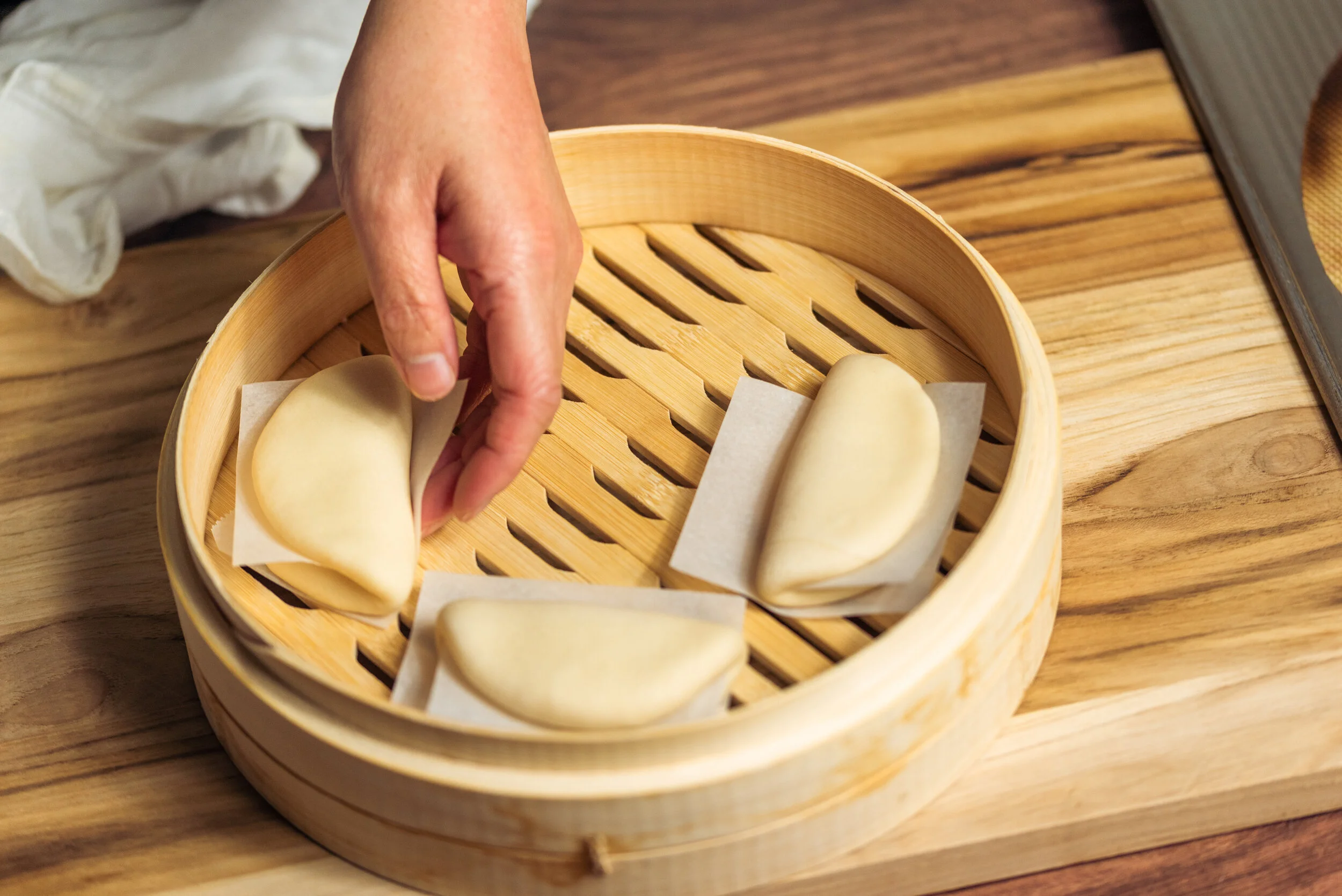
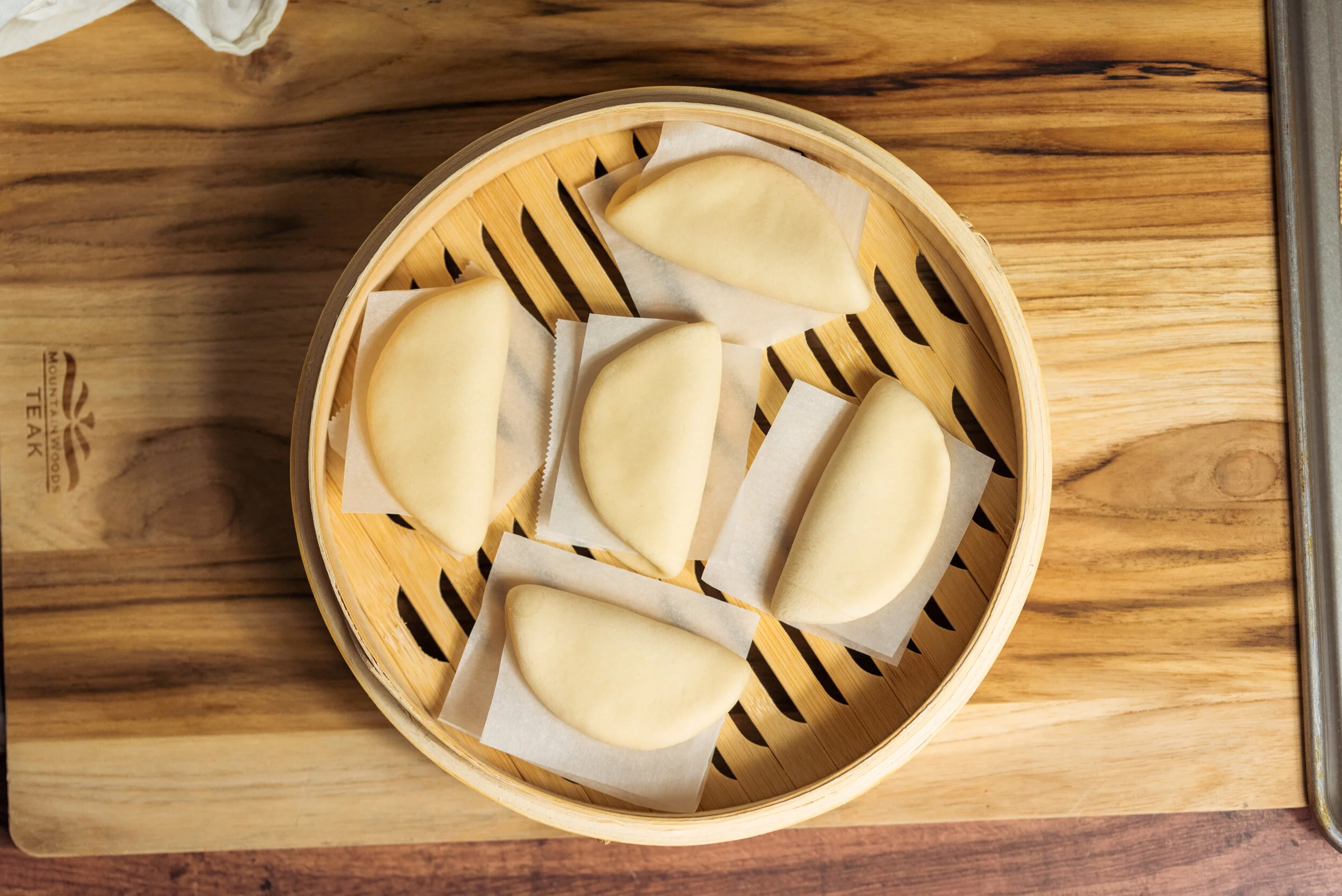
Relaxing the gluten
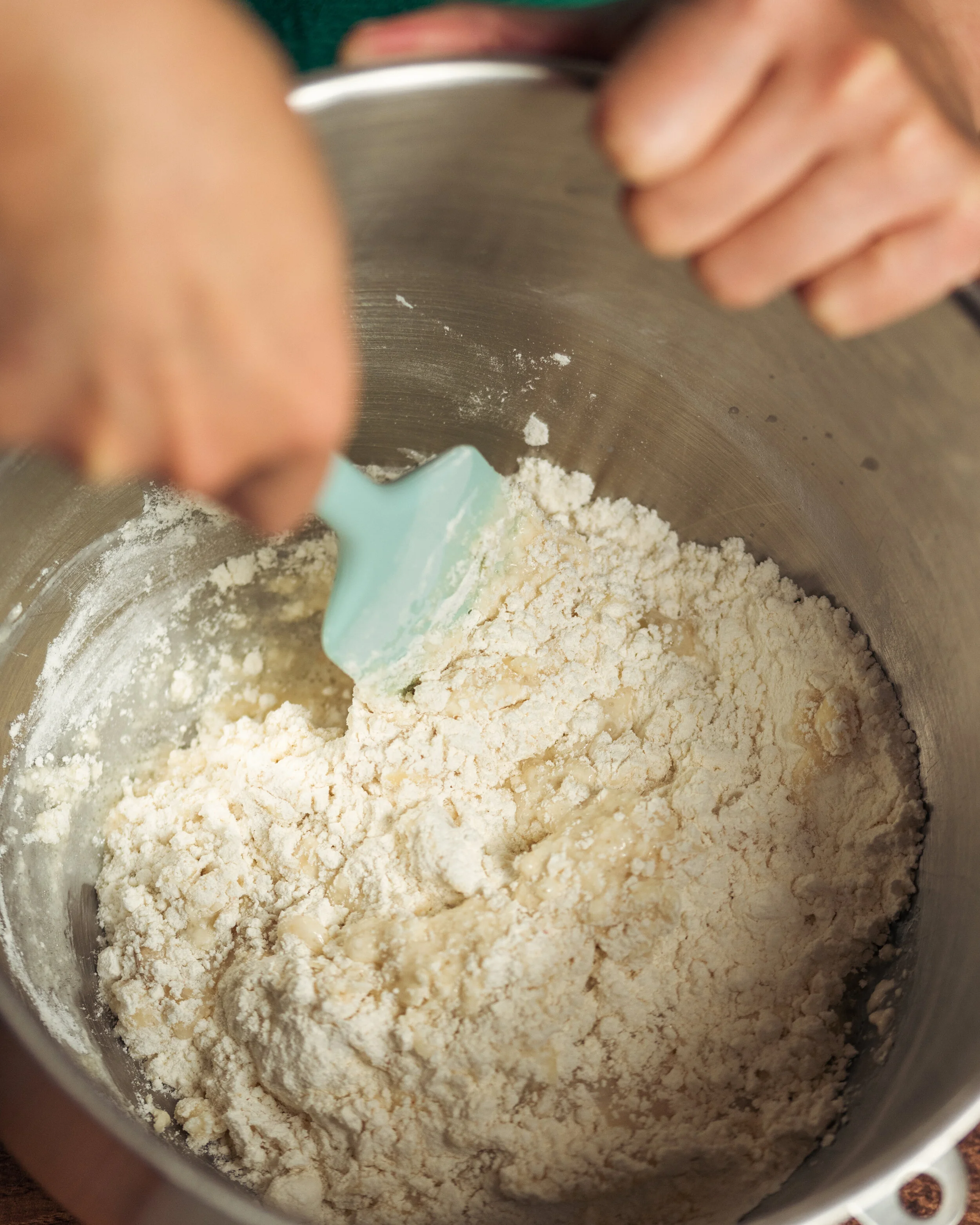
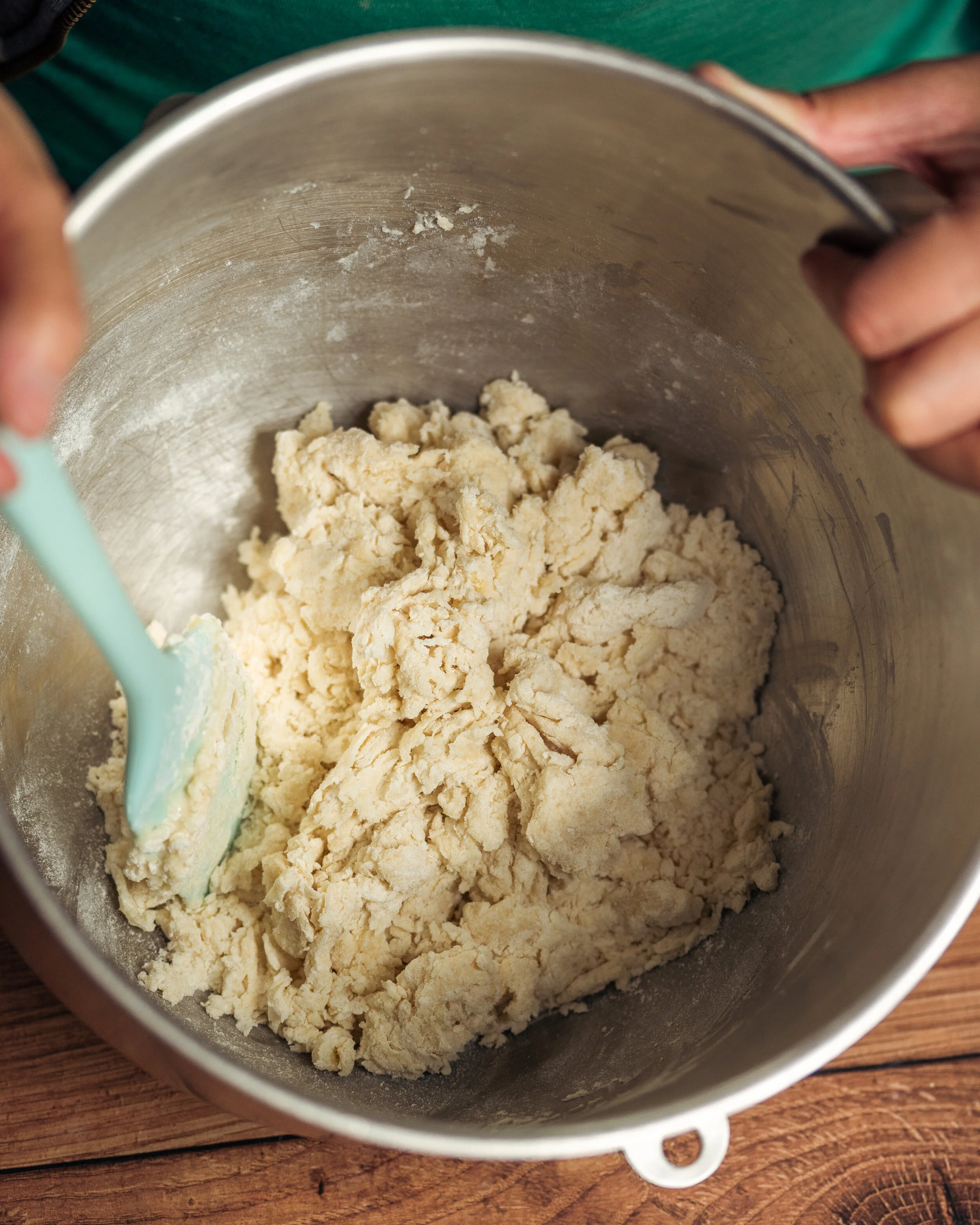
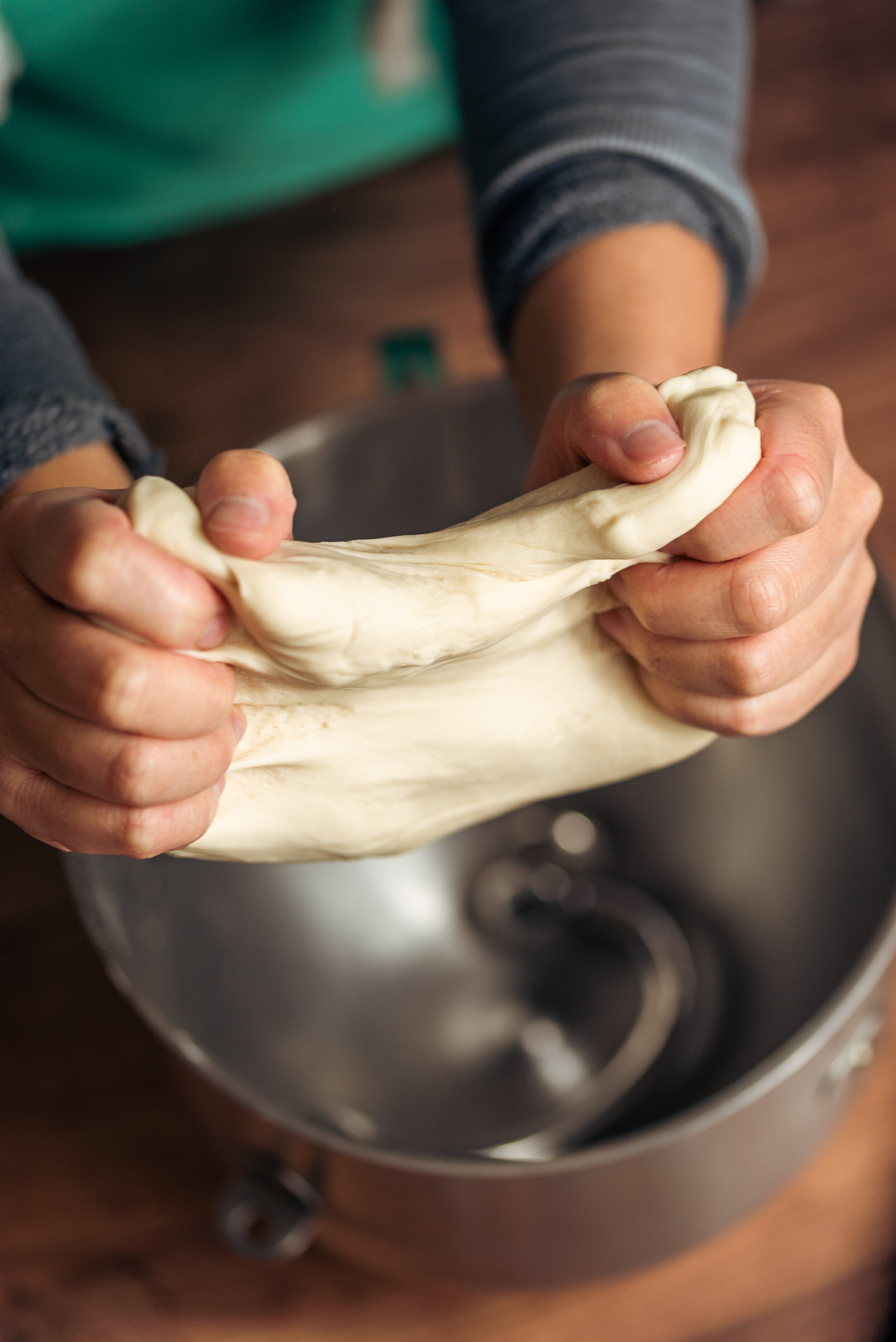
In this recipe we mix the dough until its well combined which helps the flour hydrate and absorb the liquid. Relax the dough for 15 minutes, gives it time to hydrate while making the dough easier to shape.
Proofing/TroubleShooting
Aka proving. Understanding proofing is critical. Thankfully it’s easy to figure out. We proof to 50% of the original size because we’re only proofing this dough once.
Due to the one time proof, we don’t want to take the dough to 100%. If you take it to 100%, don’t stress this recipe is forgiving.
If you should happen to take it there, just push the dough down. It should deflate fairly easily. Remove the air pockets by pushing or slapping the dough onto the counter, roll it back into a ball, reshape and proceed with the recipe and try again to proof to 50%.
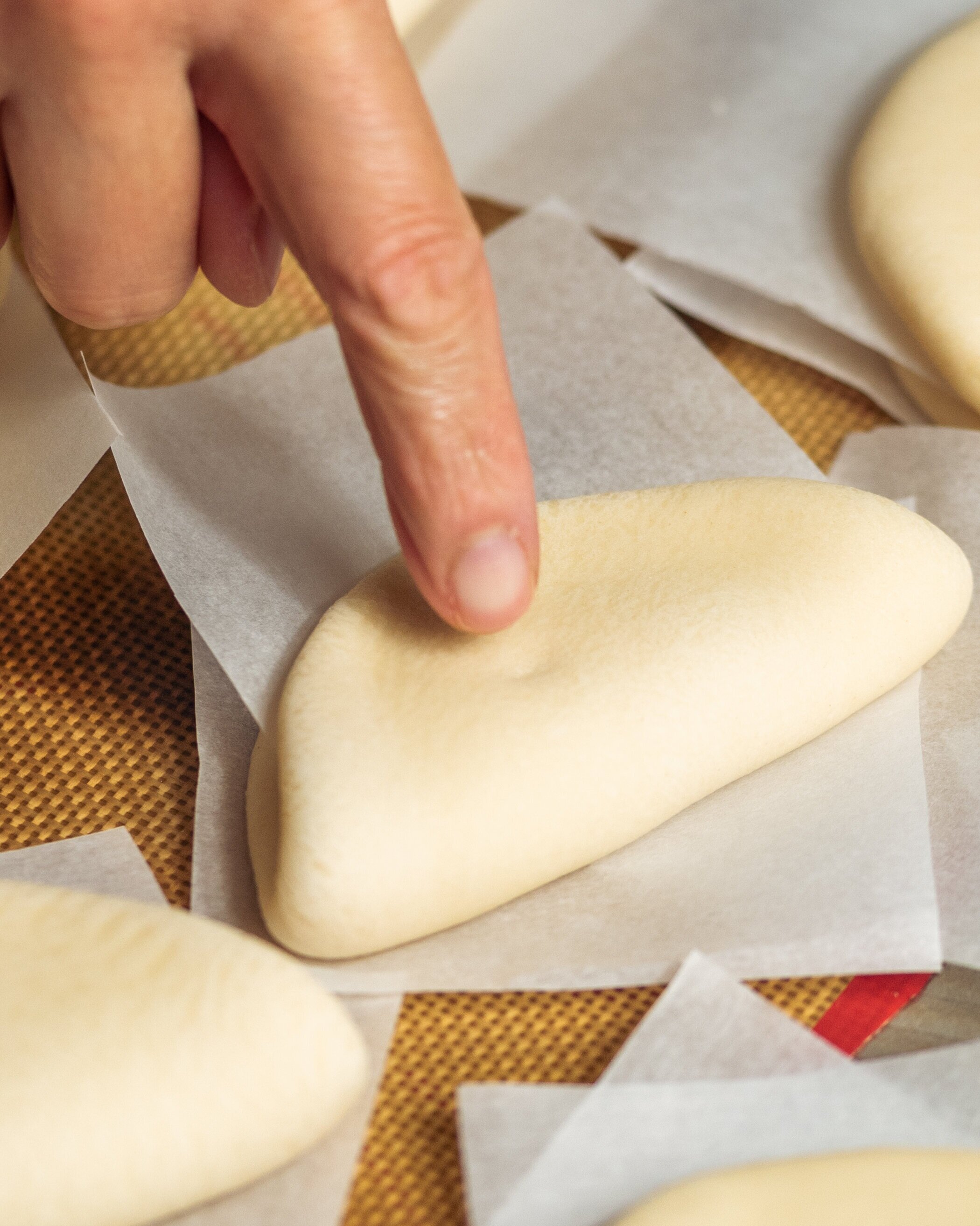
Perfect proof is when you can push the dough in and it slowly springs back.
How to check your dough
Under Proof: When you push the dough with your finger and the dough springs back quickly - it’s not ready. Let it rest a bit longer.
Over Proof: When you push the dough with your finger and it doesn’t spring back - it’s over. Repeat shaping and proof to 50% again.
Perfect Proof: When you push the dough with your finger and it slowly springs back - it’s perfect and ready to steam.
Refrigeration
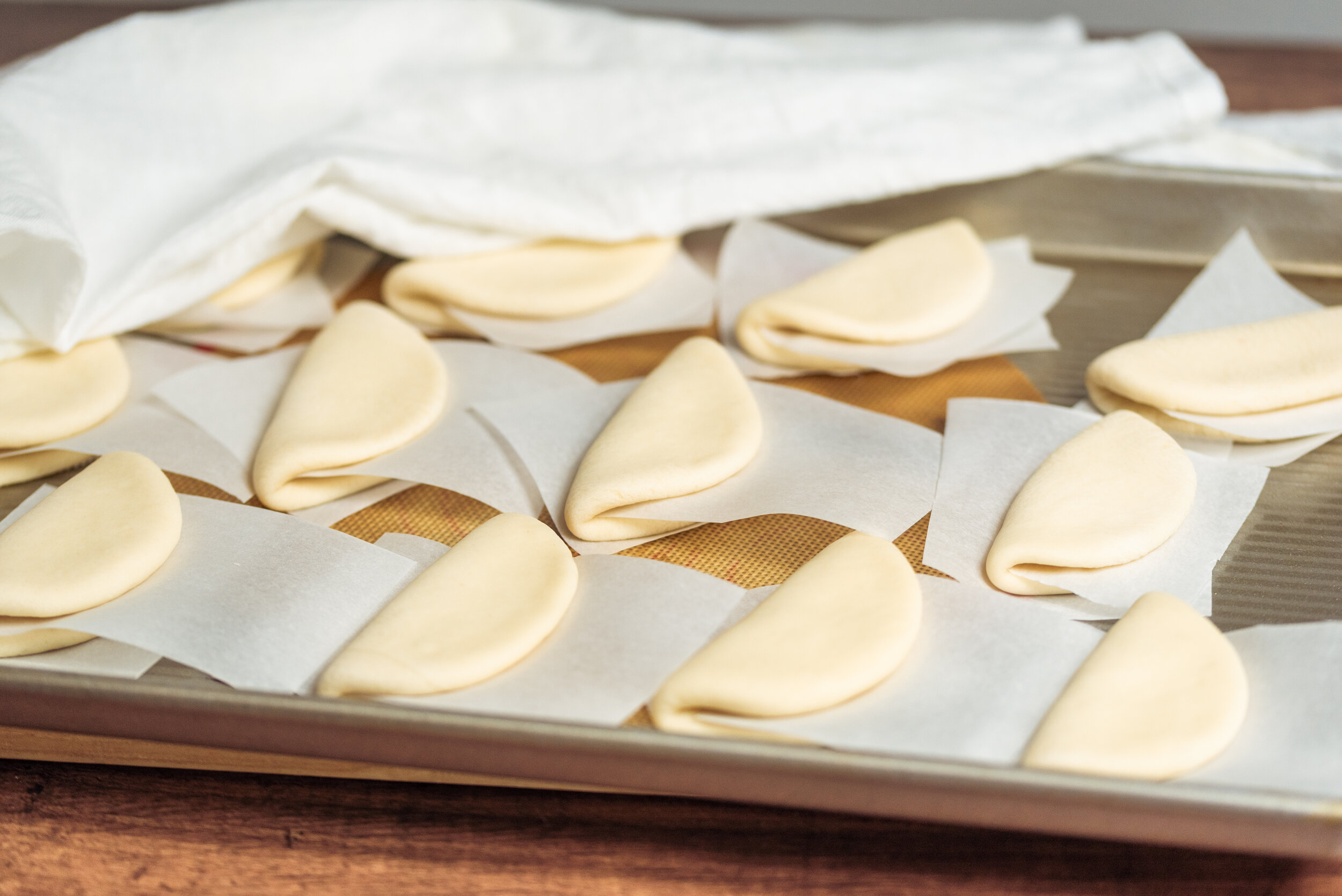
Make the dough in advance and refrigerate shaped baos until you’re ready to steam. Bring it to room temperature and proceed with the recipe.
One of the great things about making this dough is you can easily refrigerate the dough and leave it in the fridge for up to two days. It’s an easy trick for many yeast based recipes when you want to make the dough, but don’t have time to be watchful of proofing.
The cold stunts the proofing. When you’re ready to cook, take it out and allow the dough to come to room temperature and proceed. I find that with Seattle based weather and my house temperature between 65-70 degrees it takes about 2 hours.
Steaming
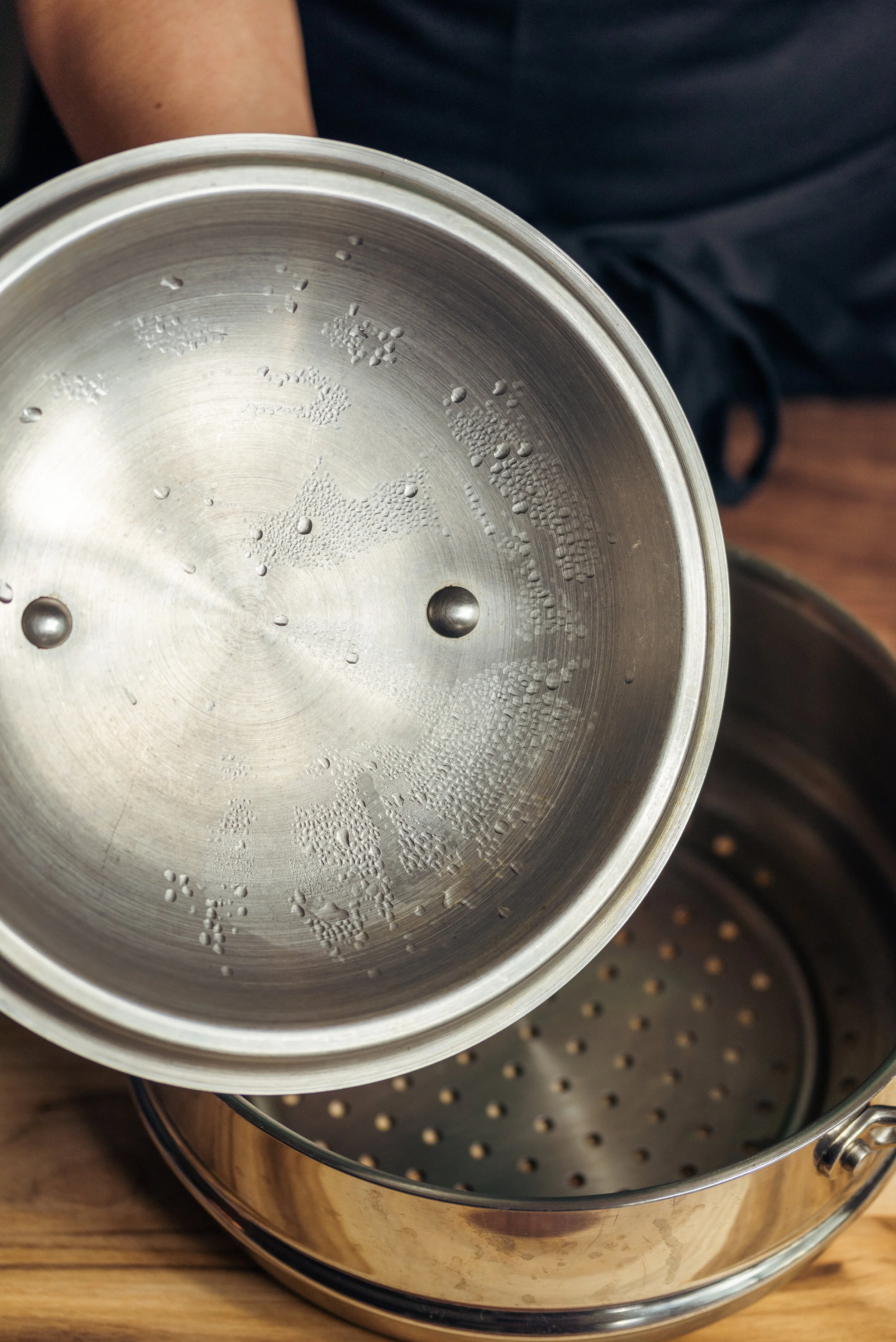
Beauty marks are not a criteria for excellent gua baos. Condensation is the enemy.
If there are two important things to know about steaming, it’s temperature and condensation.
The temperature can really make or break your baos. You want to crank the heat up to initially so there’s enough heat before prepping the steamer basket. Once it hits a boil, drop the temperature to maintain an easy simmer. It should stay at this temperature the entire time you’re steaming your dough.
If you run out of water, make sure to repeat the process so you have a consistent dough from start to finish. Steaming at a high heat will cause your gua baos to collapse, become misshapen or get tough.
Condensation under the lid is a gua baos’ beauty mark. If you like little spots of water droplets, don’t worry about the lid. More than likely, you’ll want a smooth gua bao.
An easy trick is to get a clean kitchen towel, cover the underside of the lid, pull it taut and place the ends on top while steaming.
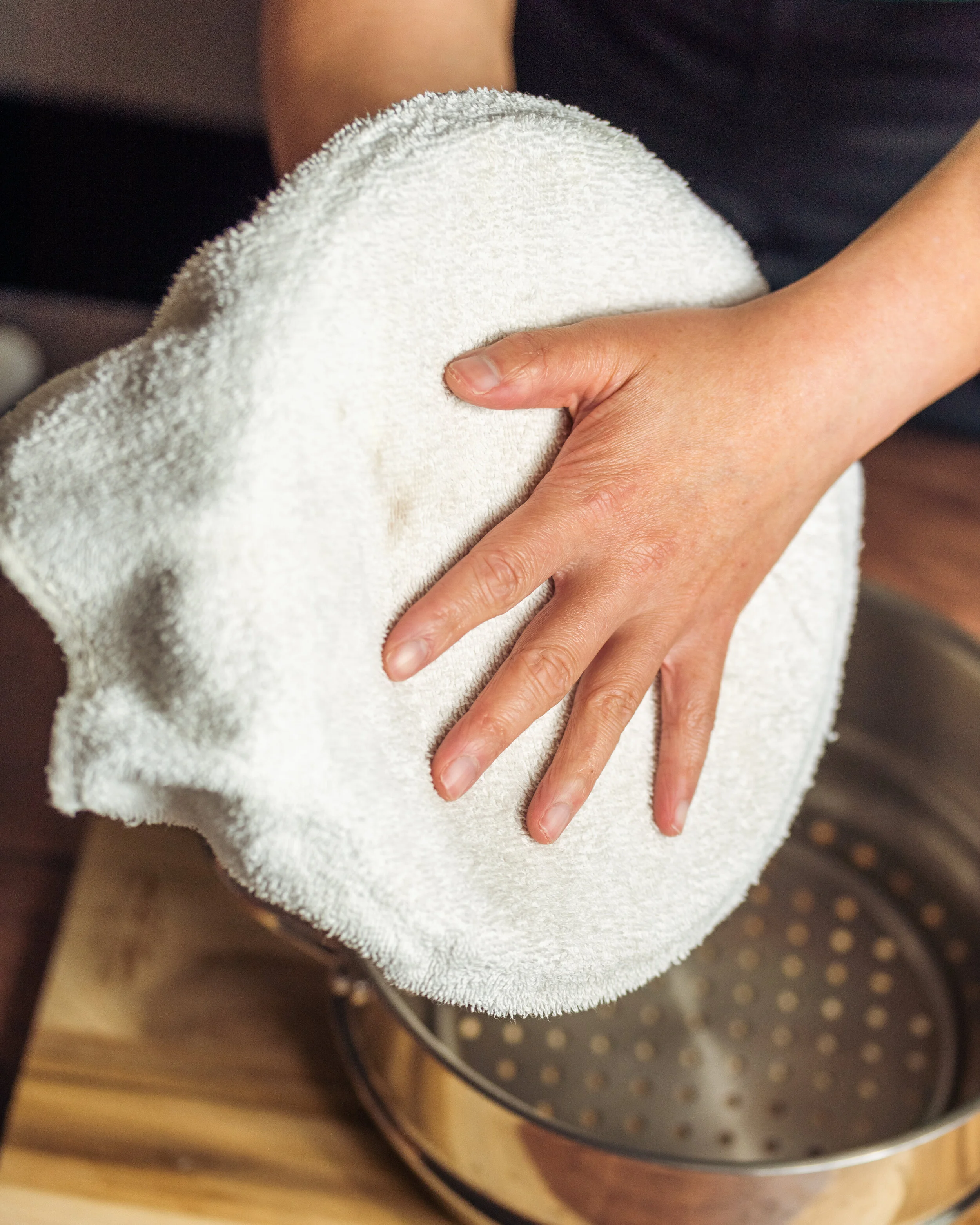
Preventing condensation is an easy fix. Grab a clean kitchen towel, wrap it under the lid and pull the ends taut around the top.
HOW YOU SHOULD EAT THIS
Gua baos are so good by themselves. Traditionally these are made to hold onto pork belly or Peking duck.
In the last few years, the craze for gua baos have created a variety of fillings, proteins, and vegan options. Whatever you choose, these are meant to be eaten with your hands, no utensils.
FINAL THOUGHTS AND NOTES:
Make sure to keep your dough covered at all times. Know that the temperature of where your dough is proofing will effect how fast or slow it rises. So know your house.
Once these are steamed, they’re best eaten immediately or within the hour. If you’re unable to eat them all, freeze for later use and resteam straight from the freezer for 5-7 minutes.
LET’S GET STARTED!


割包 | Fluffy Steamed Gua Bao
Ingredients
Instructions
Notes:
*Proofing can take an hour or so depending on the temperature.
*The baos are done proofing when you can press it and it springs back slowly.
*The baos are over proofed when you press it and it doesn't spring back. If this happens, don't worry, just flatten out the dough to reshape. Roll the dough back into a ball, knead out the air bubbles and repeat the process to proof to 50%
*If you’re not steaming all of your baos immediately, place the remaining baos in the refrigerator while waiting to be steamed. It will help them to not over proof while waiting.
*You can refrigerate to stunt the proofing process to use this recipe at a later time, when you’re ready to proceed to steaming, allow them to come to room temperature. Once the dough springs back slowly it’s ready to steam. It can take roughly 2 hours depending on the temperature.
*Freezes well. Once steamed, allow them to cool down. Place in an airtight container and freeze. When ready to eat steam for 5-7 minutes. It can freeze for up to 6 months.