小麦淀粉 | Wheat Starch
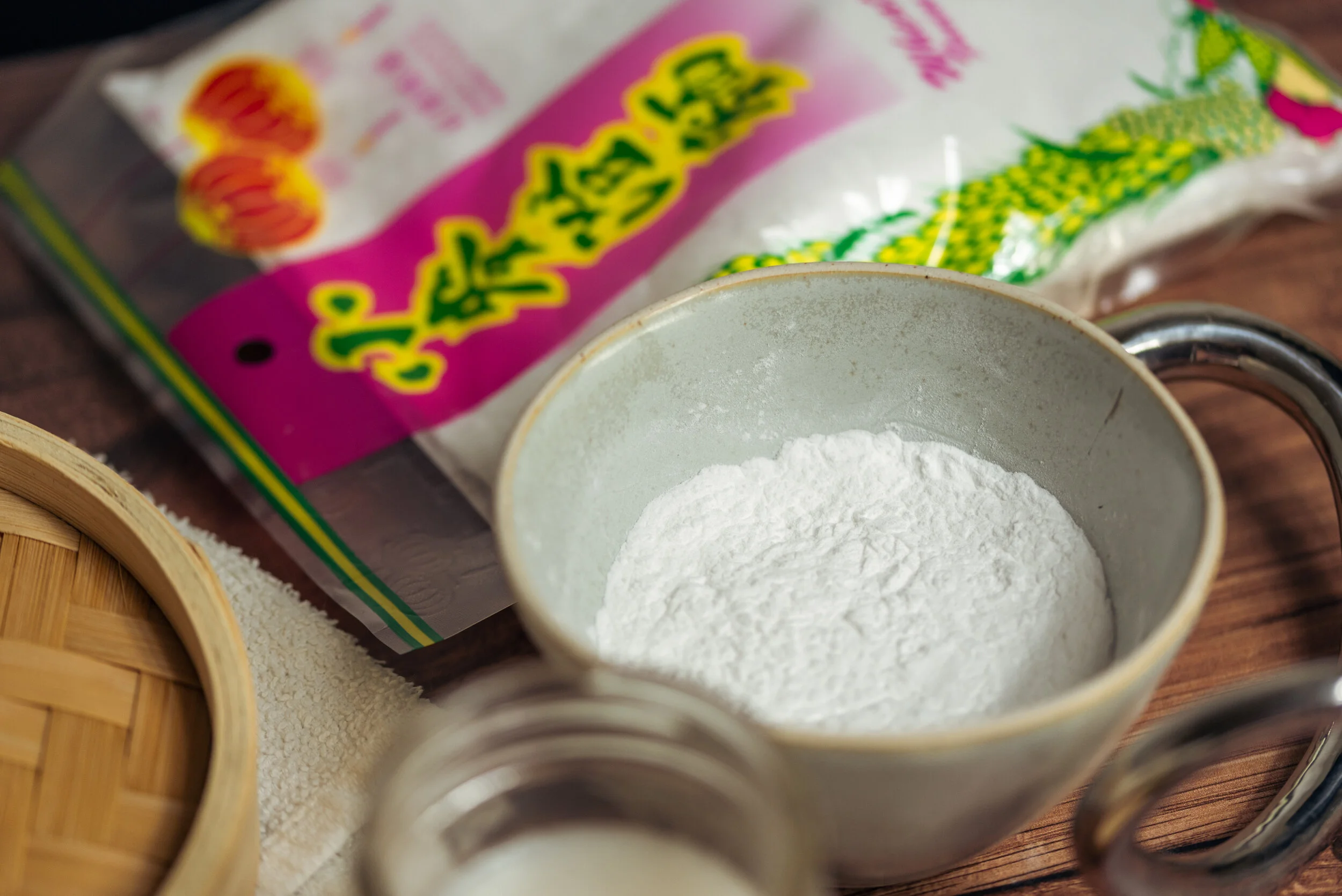
小麦淀粉 | Wheat Starch
WHAT IS IT?
Wheat starch is not the same as wheat flour. Please don’t get these mixed up. Flour is minimally processed wheat grain. Flours will maintain the majority of nutrients when processed.
Wheat starch is much more processed, removing most of the nutrients. The starch is processed endosperm of the wheat grain. It becomes powdery akin to corn or tapioca starch. The proteins from this starch are removed, proving useless to gluten formation.
Depending on the way it’s written as an ingredient, it can also be found in gluten free baking ie. codex wheat starch.
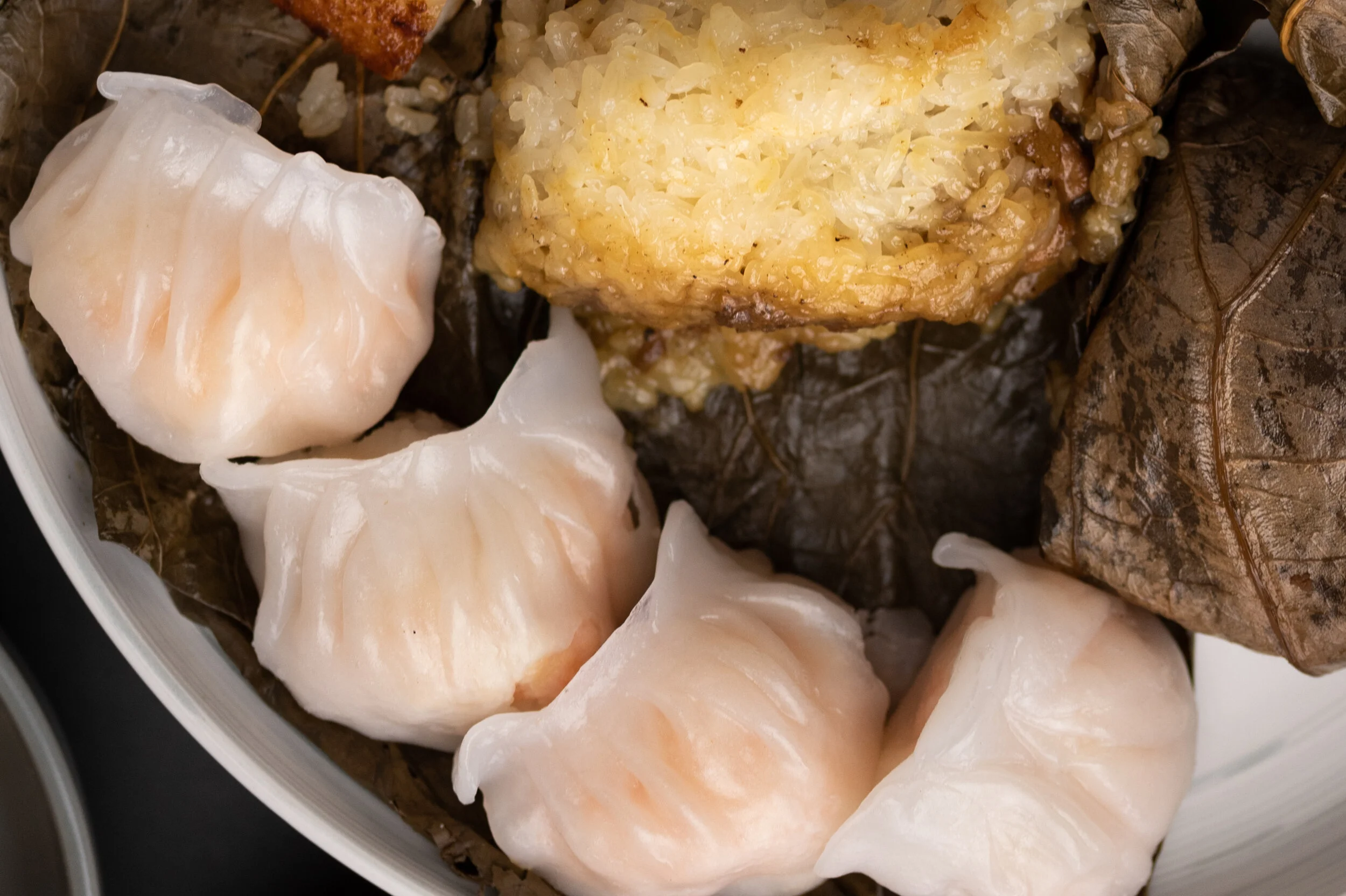
Wheat starch is neutral in flavor but contributes to texture and structure.
WHAT DOES IT TASTE LIKE?
It’s more neutral than tapioca or potato starches. Wheat starch is much like cornstarch in that it’s function for culinary purposes isn’t used for flavor, but what it contributes to texture.
HOW TO SELECT IT?
Depending on the purpose of what you’re utilizing this for, there are many different brands of wheat starch. If you’re using it for gluten free baking, you’ll want to make sure the brand has been tested to verify.
I highly recommend checking out this website for gluten free testing and information. I find that Canadian standards in accommodating and understanding food allergens is far superior to the States.
As an additional note for the allergy newbies, gluten and wheat allergies are not the same. This will definitely trigger a wheat allergy, so please beware and use accordingly.
HOW TO USE IT?
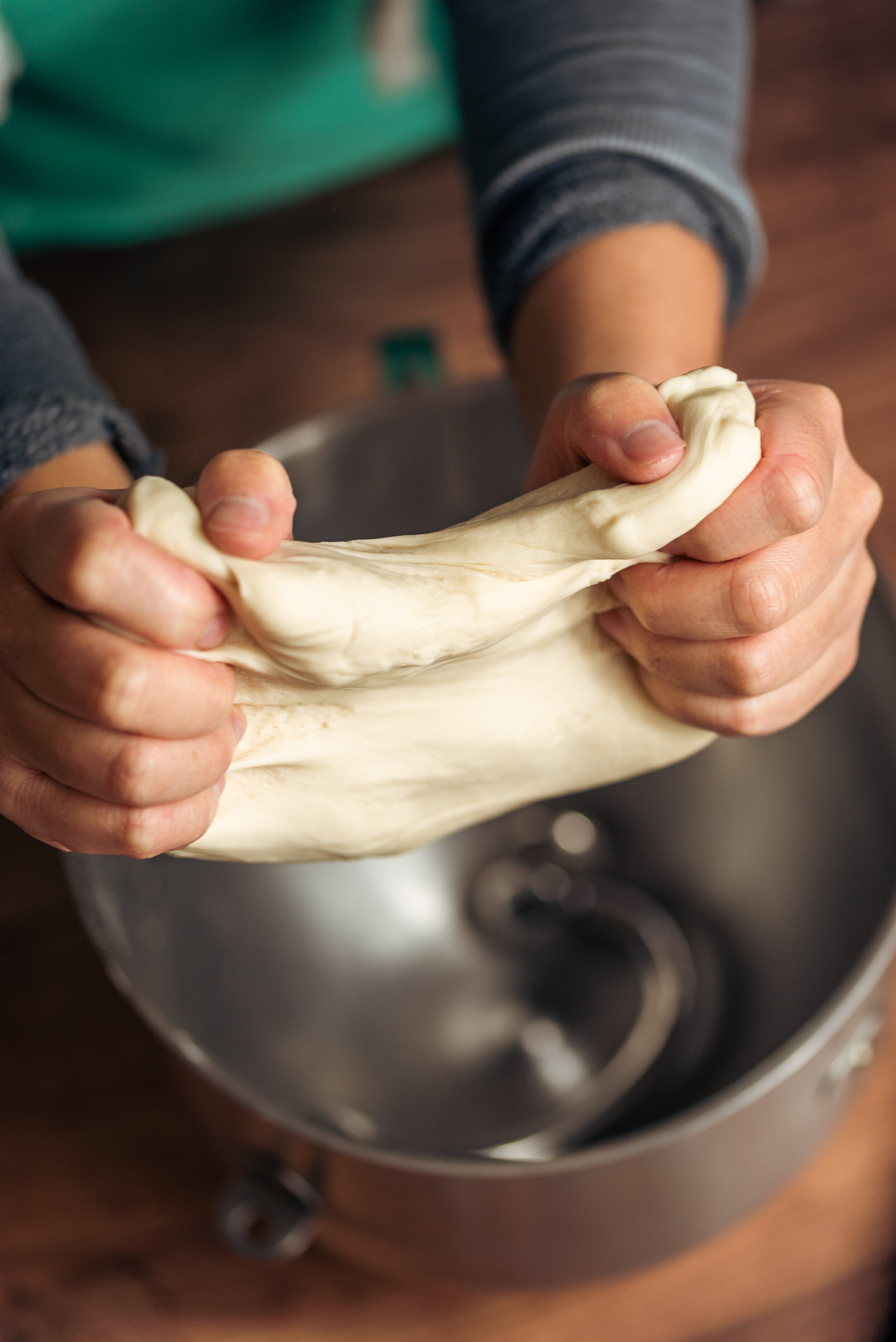
The dough here has wheat starch as an ingredient. It creates a softer, fluffier dough that all purpose alone can’t do.
Wheat starch is used in two primary ways, dough and a thickening agent.
Dough
Wheat starch assists in texture, moisture retention and is often used as a fat substitute. When used in dough whether its, steamed, boiled or baked, you’ll find this ingredient in many Chinese/Vietnamese recipes. It’s usually paired with another flour to create a specific type of elasticity in your dough. I like to think of it like cake flour, it just works a bit differently.
When paired with all purpose flour, I find that it gives baos the commercialized white color that is so highly sought after. It also improves the springiness in texture that all purpose flour cannot do alone.
If used with tapioca flour and boiled water, it creates the typical har gow, an opaque, traditional wrapper we all know and love in dim sum.
Thickening Agent
Wheat starch when heated absorbs waters and causes it to swell. This makes it a thickening agent through gelatinzation and retrogradation. When heated it increases the viscosity and clarity. When it has reached its max, the viscosity decreases because the cells move apart.
Once the wheat starch cools, the viscosity thickens to form a gel. How much starch is used is directly correlated to the thickness and strength of the gel. You can read more about it here.
It’s easy enough to use this as a replacement for cornstarch. Wheat starch will thicken any sauce and/or custard. It can double back as a meat tenderizer. You’ll also find this ingredient in commercialized sweeteners.
Realistically, cornstarch is easier to find and a cheaper alternative. The end result will vary a bit depending on the intended outcome and recipe. Cornstarch dissolves at a lower temperature than wheat starch. At the end of the day it really depends on the consistency you’re looking to create with your dough or sauce.
WHAT VIETNAMESE OR OTHER RECIPE IS IT MOST COMMONLY USED IN?
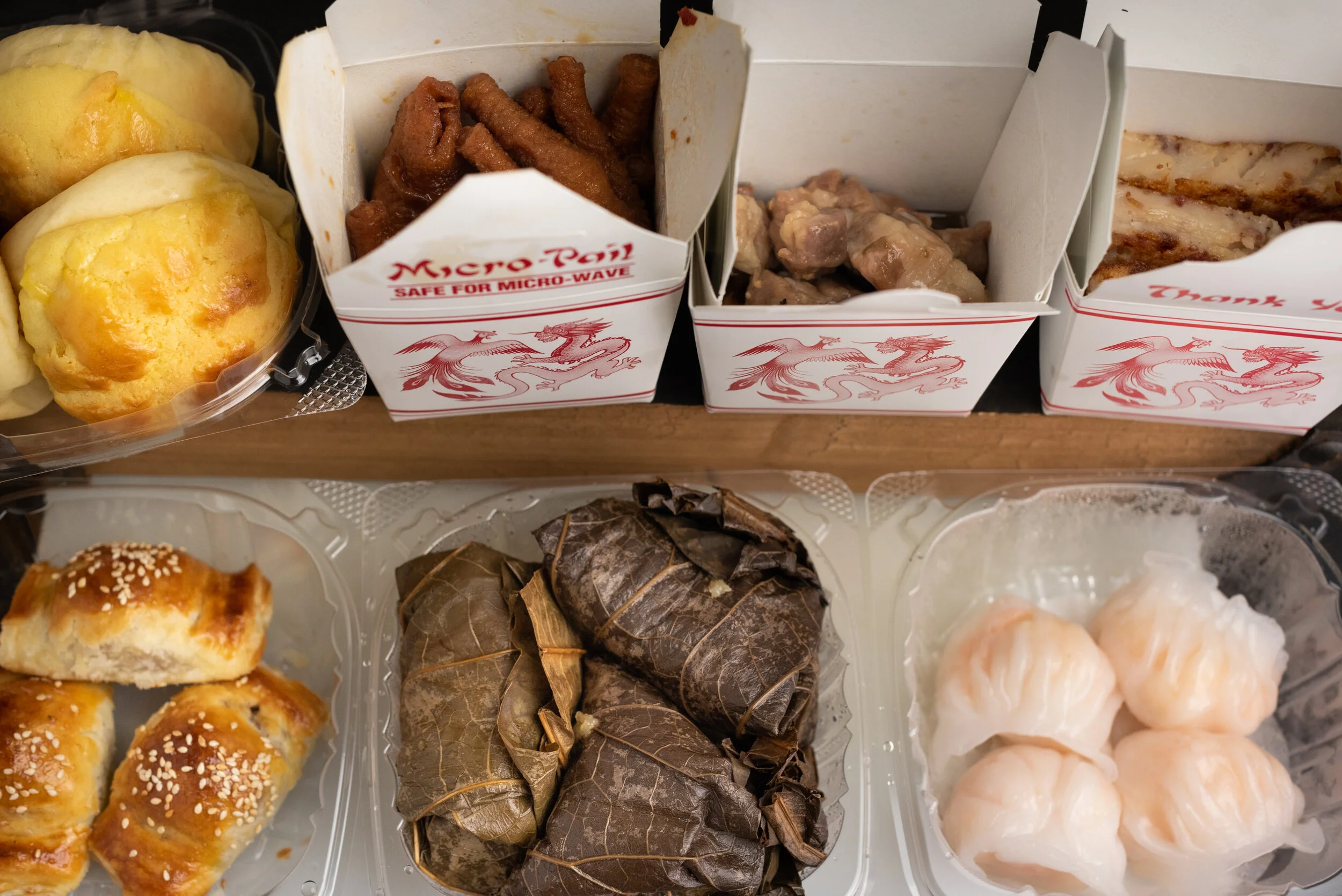
Wheat starch is used in many dim sum dishes. It can be found as an ingredient in har gow and turnip cakes as featured above.
Wheat starch is commonly found in bao dough recipes and in the more popular dim sum dumpling-har gow, and a variety of Asian noodle recipes.
WHERE TO FIND IT?
You will easily find this in Chinese and Vietnamese markets. Korean and Japanese markets can be a hit or miss because it’s not commonly used in their recipes. I’ve yet to see this in American grocery stores. You can also find it online here.
HOW TO STORE IT?
Store it in a room temperature area. There’s usually a second bag inside the bag because of how delicate this starch is. Once opened, be sure to seal well.
