Cánh Gà Rang Muối | Vietnamese Salt and Pepper Wings

Cánh Gà Rang Muối | Vietnamese Salt and Pepper Wings
Cánh gà = Chicken Wings
Rang Muối = Roasted Salt
I can tell you that google’s translation is off. Whenever you see Rang Muối on a menu, it will most always fall behind a protein. In this case, “Cánh Gà” is chicken wings, paired with the Vietnamese words “Rang Muối” almost always means fried with salt and pepper.
Vietnamese Salt and Pepper

My epic fail tossing in a new wok. This recipe provides a basic understanding for “Rang Muối” while giving you a foundation for Vietnamese frying.
Leave it to Vietnamese to make salt and pepper sound simple. Why would you want to order salt and pepper anything? Especially when Vietnamese cuisine is so vast, there’s so much to experience and so little time.
Well, salt and pepper is “simple.” Much like prepping a bunch of herbs to go with every meal, it just requires a little bit of effort. Chilis, garlic, some form of onion and sometimes a concoction of salty powders will dress the wing post fry.
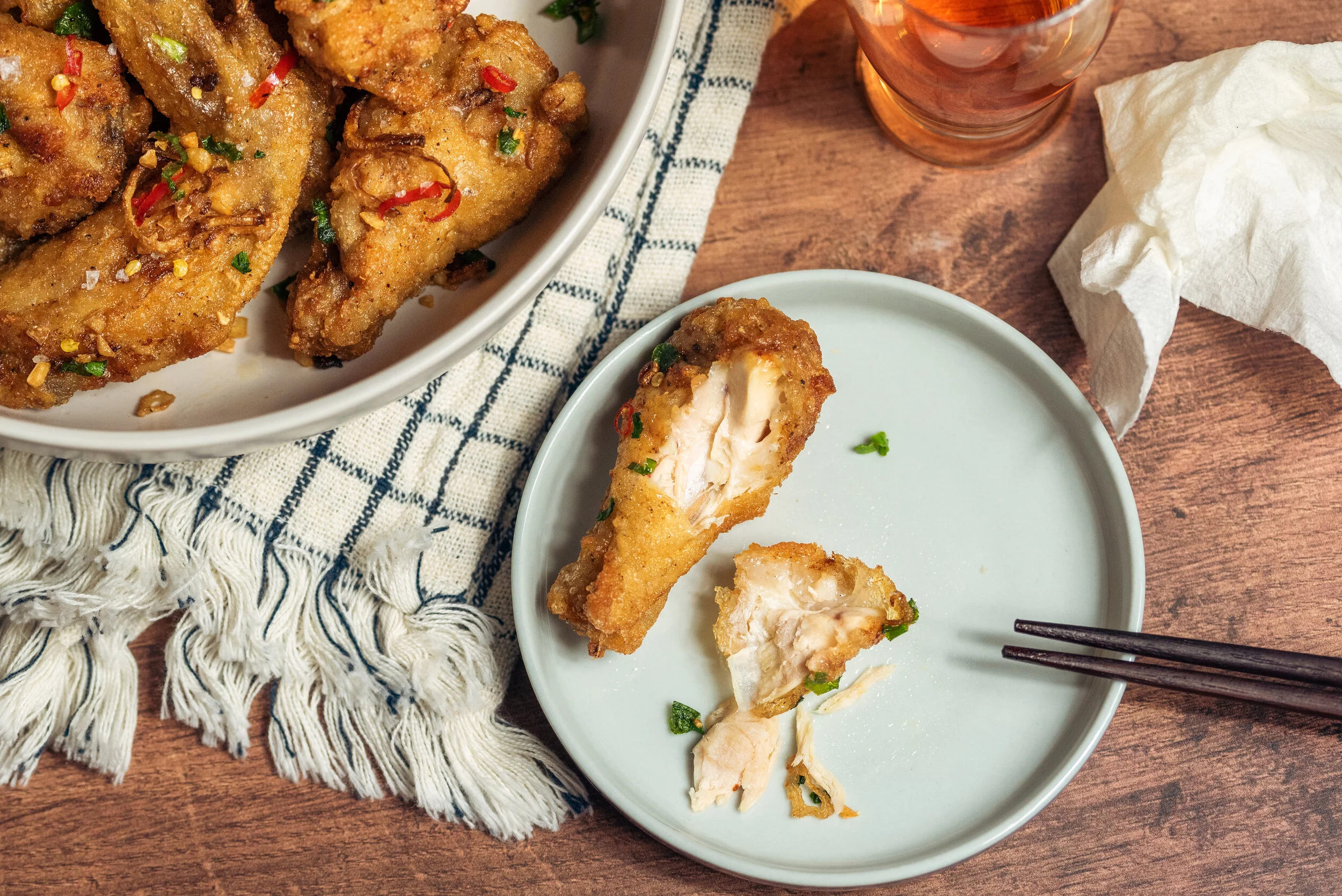
These wings are crisp, light, and airy while being incredibly moist and succulent.
There are many different ways to do Rang Muối. Learning this technique will help you build on other proteins for your culinary tool box.
This recipe for fried wings works because the wings are lightly marinated, double fried, then added into a pan tossed with toasty bits of garlic, fried shallots, green onions, Maldon sea salt chips and optional heat.
Don’t let the simplicity in this dish fool you. It’s incredibly addicting. You’ll never pass up on Rang Muối anything after knowing how good this dish really is.
THE DO NOTS

Do not fill your pot more than half way full with oil. We need to give the oil room to expand and anything more can create unnecessary kitchen hazards.
Cánh Gà Rang Muối is meant to be coated in starch and deep fried to a perfect crispness. In order to attain a crunchy wing safely, here are a few tips to help you be successful.
Do Not fry before resting the wings after pulling them out from the fridge
Do Not leave your fry station unattended
Do Not fill your pot more than half way full with oil
Do Not fry until your oil is heated properly
Do Not place your wings after frying on a paper- anything.
MEET THE PLAYERS

The players that make our wing extra crispy.
Aquafaba (Binder/Egg REplacer)
We navigate food allergies in my house. Eggs are on our list of things that don’t work. If you’re able to use an egg instead feel free to replace it as the protein binder that pairs with the starches to create a light airy crispness to our wings.
When you’ve run out of eggs, and need a substitute- drain a can of neutral flavored beans and use the liquid (this is what we call aquafaba) in a pinch. It doesn’t impart flavor, but from a technical standpoint it’s a supporting act in this recipe.
Water/Vinegar

Make sure to separate the wingette from the drumette. Vinegar is diluted in a bit of water to break down the surface.
In the American world, buttermilk is probably one of the more well known, marinating liquids for fried chicken. It has an acidic component that helps chicken become tender.
Buttermilk isn’t used in Vietnamese cooking, but vinegar is. Here, we use vinegar diluted with just a tiny bit of water to help us break down the wings’ surface, allowing the marinade to penetrate.
Baking Powder
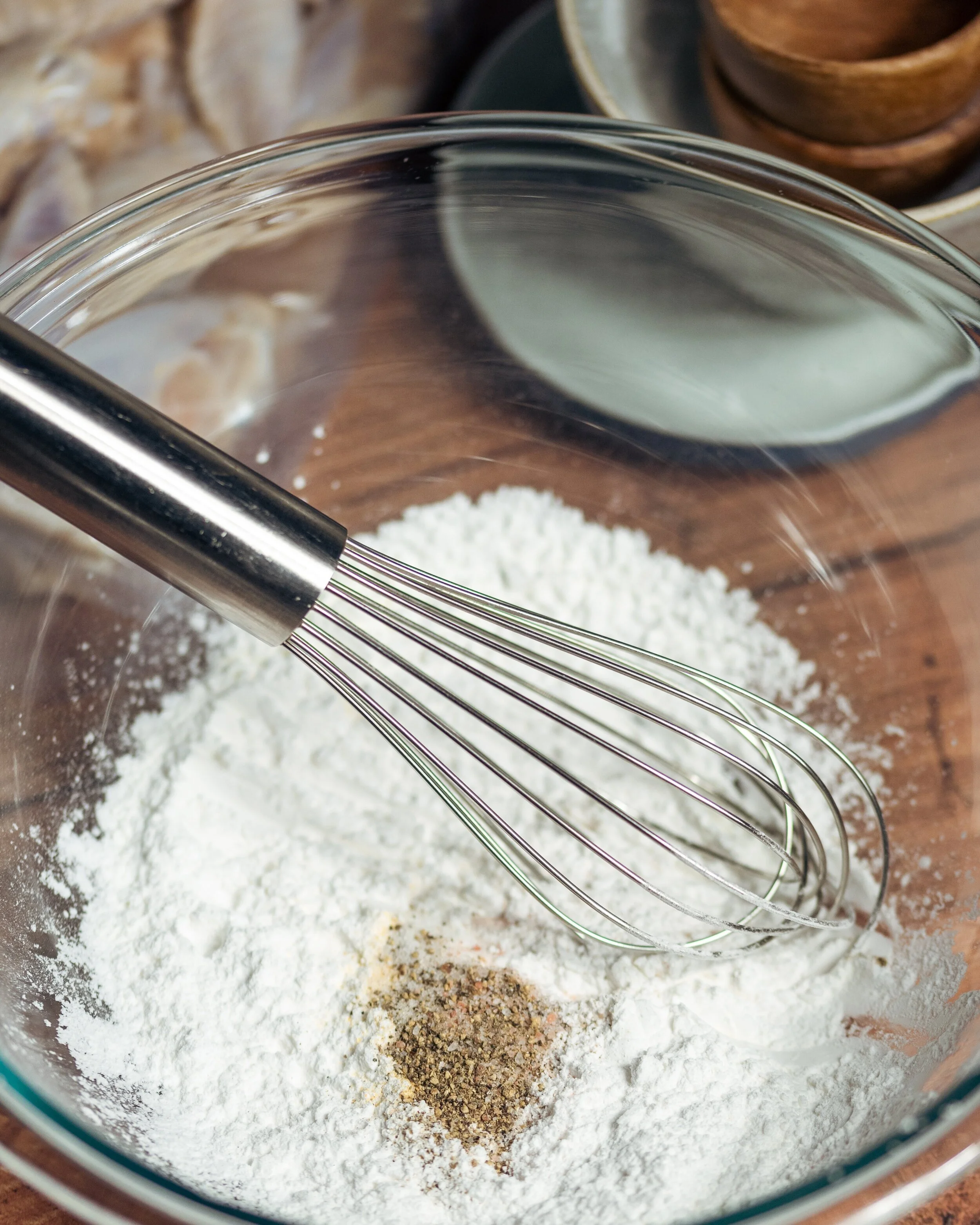
This special little ingredient goes a long way. Baking powder is a scientific approach to getting our wings crispy. Because it is alkaline it raises the skin’s pH. It assists in breaking down the proteins more efficiently, changing the protein lengths in the skin.
The baking powder combined with the bird’s natural juices emits carbon dioxide. In a nutshell it enhances the texture of our fried wing and is commonly used in commercially sold tempura batters.
Cornstarch
Cornstarch is a traditional ingredient in frying wings. It absorbs liquid and provides a light airiness in our fry. It also aids in achieving a nice golden brown color.
Tapioca Starch
We have cornstarch, why do we need tapioca? Well tapioca starch helps us to retain a crispness to the wings long after they’ve been out of the fryer. This particular ingredient is here to support texture. It creates a wing that not only fries crisp, but stays crunchy.
Salt
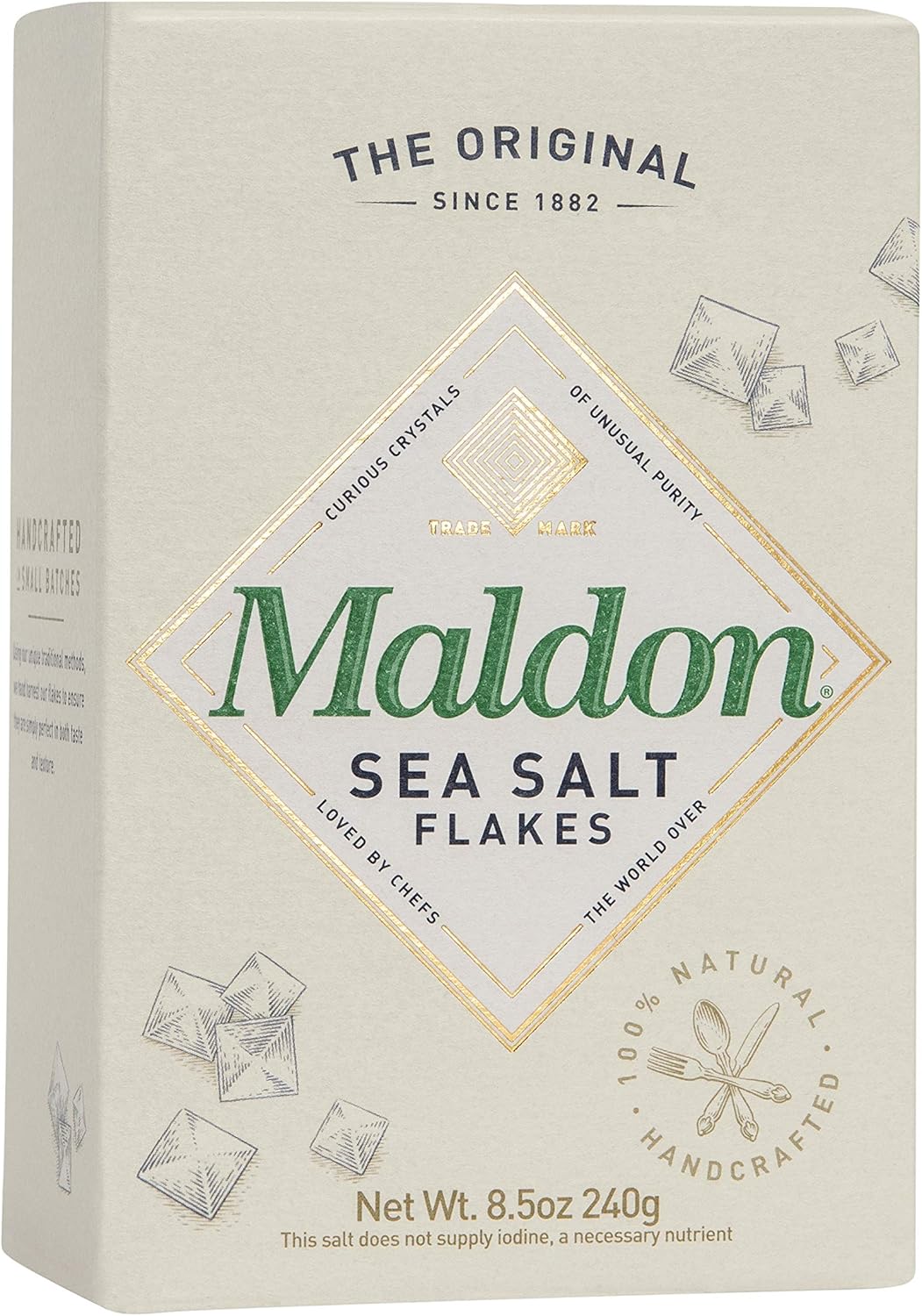
Salt is salt, right? This would seem like a no brainer, but here I use Maldon Sea Salt Flakes. I love how the the little flakes melt on the tip of your tongue.
If you don’t want to splurge on the sea salt flakes you can use Himalayan sea salt or regular table salt. Note that the amount of salt needed will depend on what you choose.
If you’re using Himalayan sea salt, use smaller quantities because the salt level on this particular type tends to be higher than most.
SPECIAL TIPS
Marinade
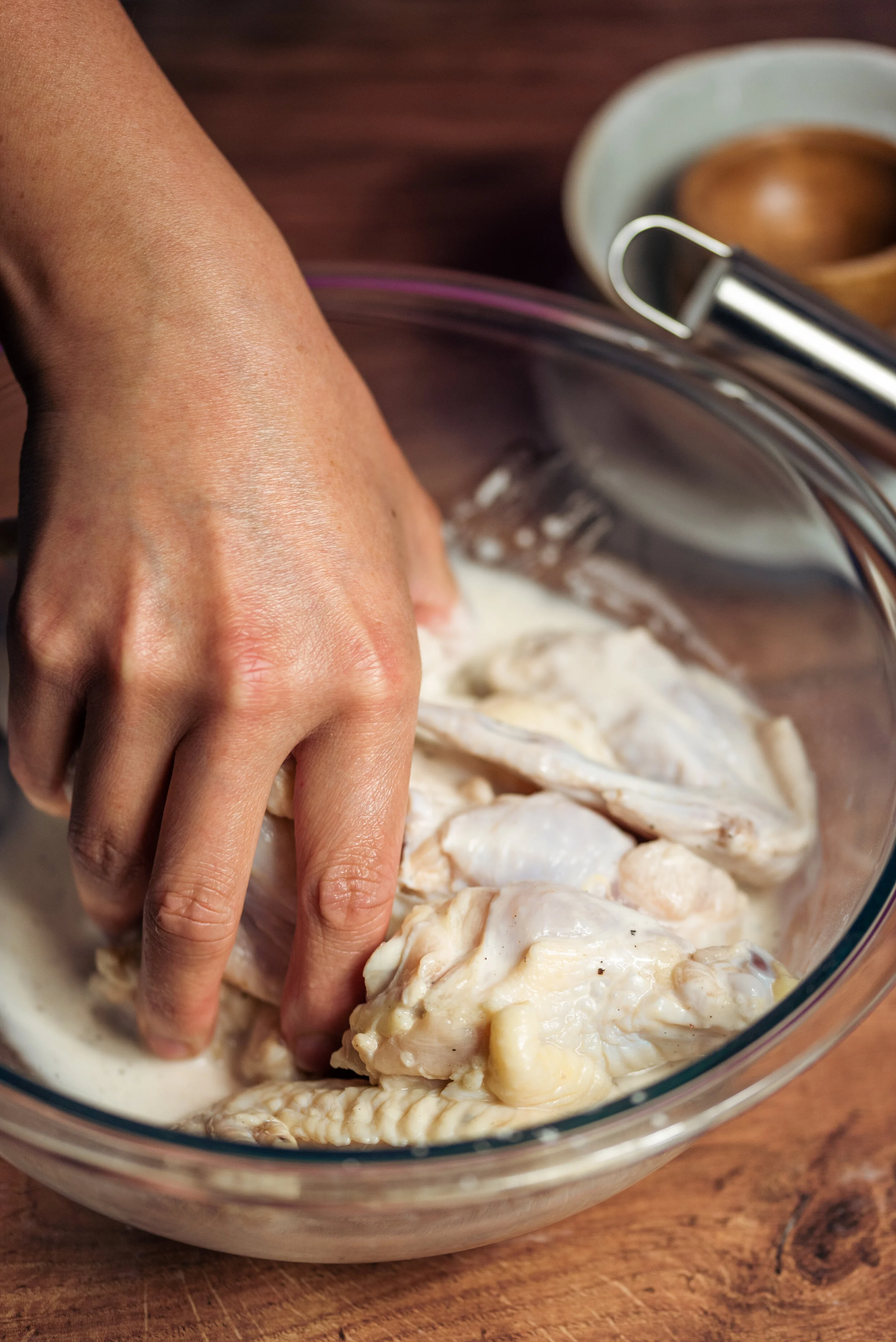
Because we use a small amount of brine, make sure to massage the wings to incorporate well.
It goes without saying that proteins should typically be marinated prior to cooking, especially when it comes to frying and/or the use of chicken. Our marinade is really simple. We are looking at a simple wet brine.
Because we are using vinegar and water you really only need to marinade for 30 minutes and no longer than 2 hours. Make sure to massage the ingredients in and incorporate well.
Acidic marinades submerged longer than 2 hours will denature the protein and create a tougher texture.
Rest

If it’s important, I’m going to add a picture and text. REST your wings PRIOR to FRYING!
Here’s a good rule of thumb. Always allow your meat to sit for 30 minutes out of the fridge. You can dredge it and get the chill off your protein simultaneously. This will help your cooking times and consistency be on point.
Par Fry

The par fry helps the moisture to evaporate.
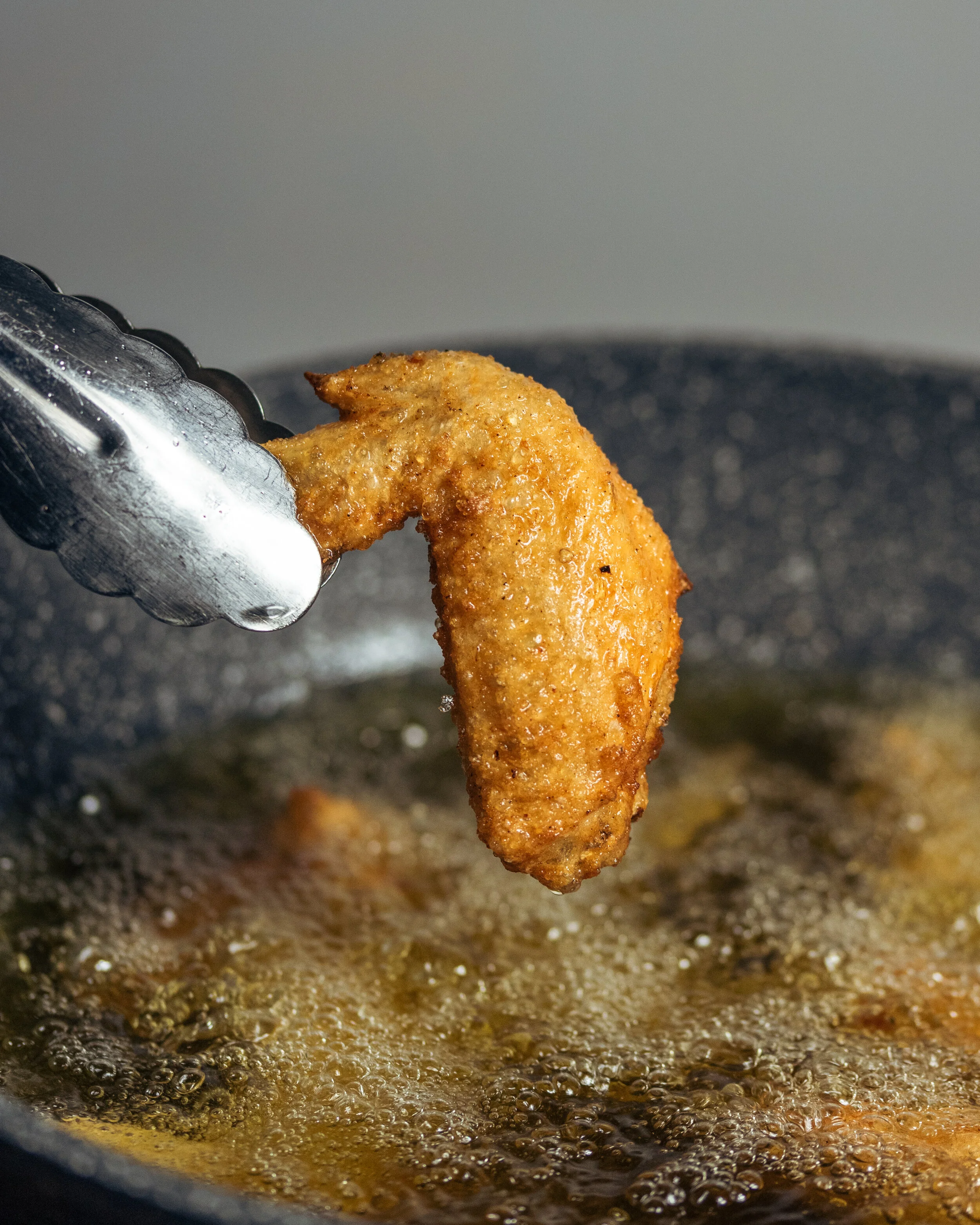
There’s a million different methods for deep frying. The par fry helps us to break down the tougher proteins in our wings, get some of the water out and start the cooking process. Wings aren’t meant to be seared lightly.
There’s a reason why wings are useful in stocks. The bone:meat:fat ratio is really well balanced and to enjoy this protein we need to break it down a bit. Par Frying allows the moisture to evaporate.
Second Fry
You ever wonder why some fried chicken are still crispy after hours of being fried? It’s the second fry. The initial fry helps us to seize the chicken skin and meat, removing excess water.
The second fry works because the protein has been heated/cooked and the sugar, salt, flours, can now be crisped without interference from excess water. It makes our coating crispy, while rendering the fat in the wings.
Sautee
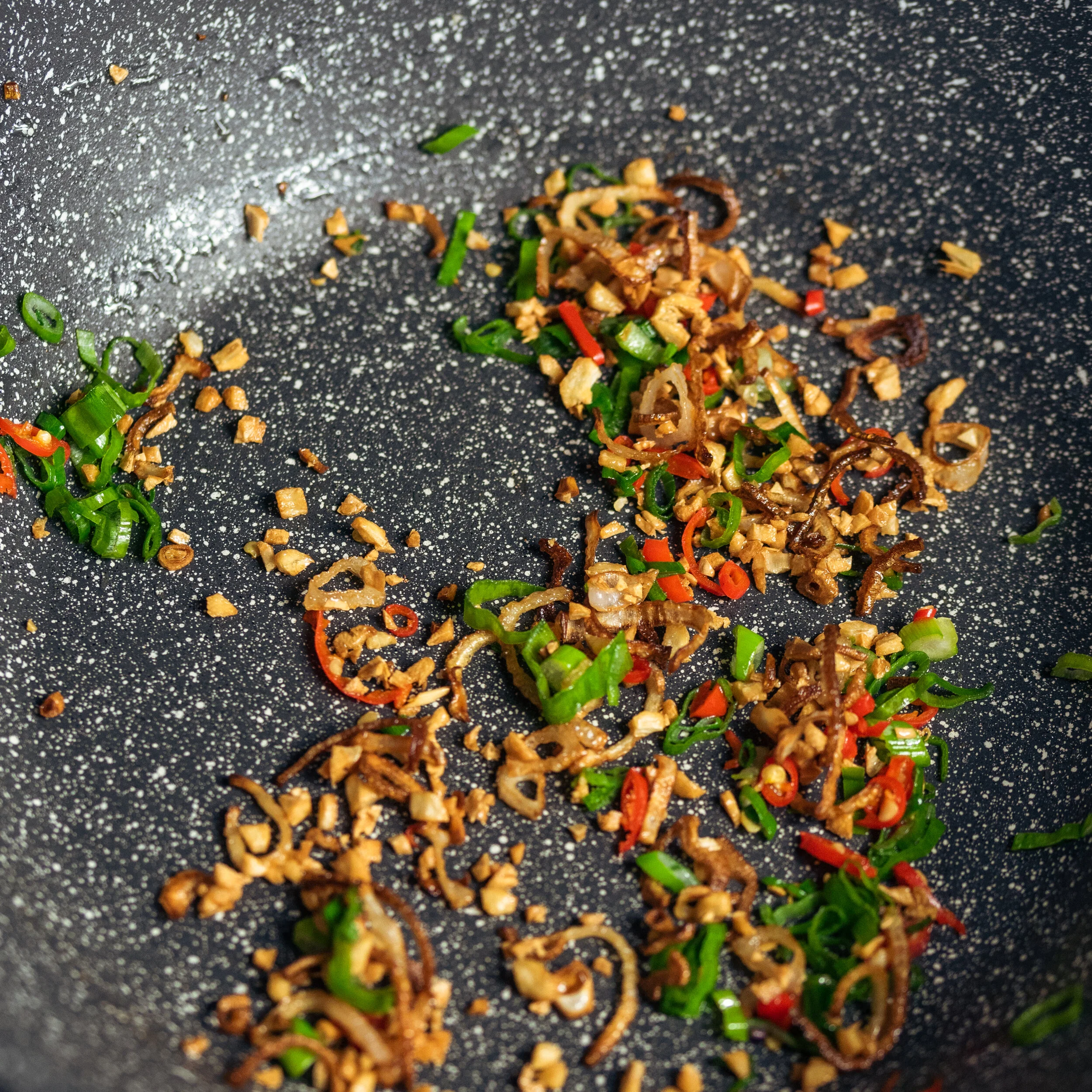
We heat a little oil at the end, adding all of the remaining ingredients, opening them up. The aromatics are now ready to help us penetrate flavor into the wing. The ingredients adhere nicely and are not over cooked so you can enjoy the little bits with every bite!






FINAL THOUGHTS AND NOTES:
Prepping in advance: it's easy enough. Just complete the marinade and the initial fry. Allow the ingredients to cool properly. You can refrigerate for up to 3 days or freeze up to 3 months until you’re ready to do the final fry.
From the fridge, allow the meat to rest for 30 minutes before frying. If you’re frying from frozen, fry directly from the freezer.
LET’S GET STARTED!


Cánh Gà Rang Muối | Vietnamese Salt and Pepper Wings
Ingredients
Instructions
Notes:
**If you don’t have a wok, use a small pan and have a large glass bowl ready to toss the wings with the remaining ingredients.
**Prepping in advance: it's easy enough. Just complete the marinade and the initial fry. Allow the ingredients to cool properly. You can refrigerate for up to 3 days or freeze up to 3 months until you’re ready to do the final fry.
From the fridge, allow the meat to rest for 30 minutes before frying. If you’re frying from frozen, fry directly from the freezer.