Nước Lèo | Soup Stock
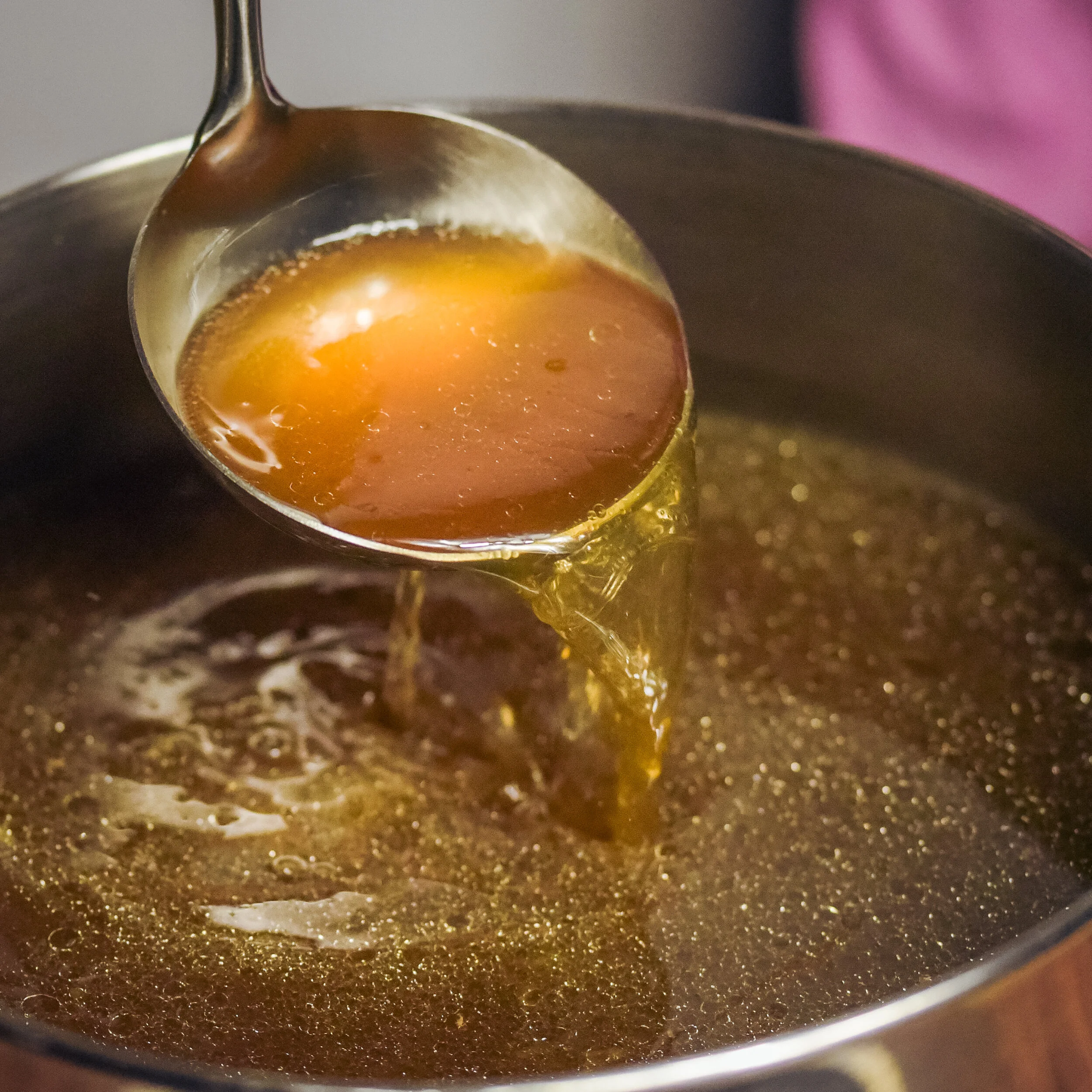
Nước Lèo | Soup Stock
Nước Lèo = Soup
The funniest part of this translation is if you take Nước, and place it in google translate, it shows as country. Lèo is translated to creep.
So there you have it folks, country creep is each word translated.
On a more serious note, I’ve said this before and I’ll say it again, the Vietnamese language (often) doesn't literally - transfer.
You really need to be able to use the words together and understand the essence of what is being said.
Not to make it even more confusing, but there are three different ways of saying soup stock.
You’ve got the one listed above. In the southern provinces of Vietnam it’s referred to as Nước Lèo. But, sometimes you’ll hear it referred to as nước súp or nước dùng.
There are many Vietnamese-Chinese speakers. According to my Mom the hybrid speakers refer to it as nước súp.
The cooking classes refer to it as nước dùng. It’s referred to as a multipurpose broth, but essentially they are all the same: soup, broth, soup stock.
Your selection of the Vietnamese equivalent will be whether or not your dialect originates from the southern provinces, if you get down with the hybrids or are a culinary geek.
What is it really?
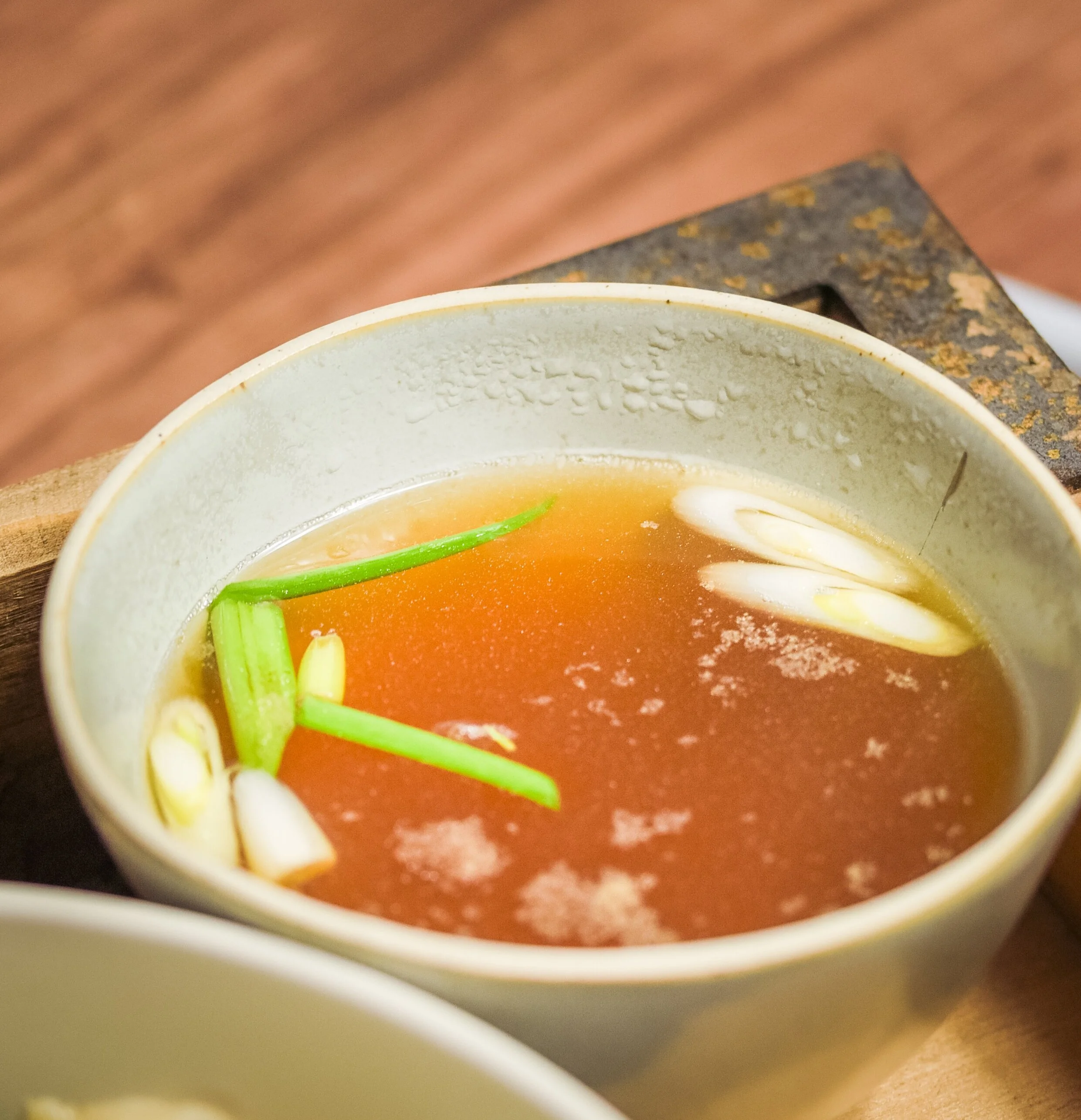
Nước Lèo here served with spring onions and white pepper by itself.
Nước Lèo is a beautiful stock, rich with pork, chicken or a combination of the two. It’s most commonly a pork stock, and used in a variety of dishes that are never pho related.
THE DO NOTS
The goal of this broth and most Vietnamese stocks are a nice clear broth. Our French influences have us loving clear stocks/consomme/pot au feu.
Rarely will you see our stocks cloudy, which is highly regarded in Chinese and Japanese cuisines.
Either way both have very opposite techniques, but our nuoc leo is a clean, clear, rich broth. Let’s proceed with these simple rules to help us be successful with our soup stock.
Do Not hard boil the broth.
Do Not skip blanching the bones.
Do Not skip washing the bones before and after blanching.
Do Not leave the dried shrimp or squid in the broth for longer than a couple of hours.
MEET THE PLAYERS
Pork Bones
Can you really call nuoc leo, nuoc leo if you don’t have pork bones? I don’t know, but one thing I do know - is that everyone will tell you a different answer as to why pork is important in this soup.
Some will say it makes it sweeter, some will say the opposite.
I can tell you that we don’t commonly use trotters for this stock. It’s going to be leg, neck and back or sometimes if I’m feeling like a quicker method, riblets.
One thing I do know is the way Vietnamese cut their bones tend to be very different from Korean or Japanese cuts.
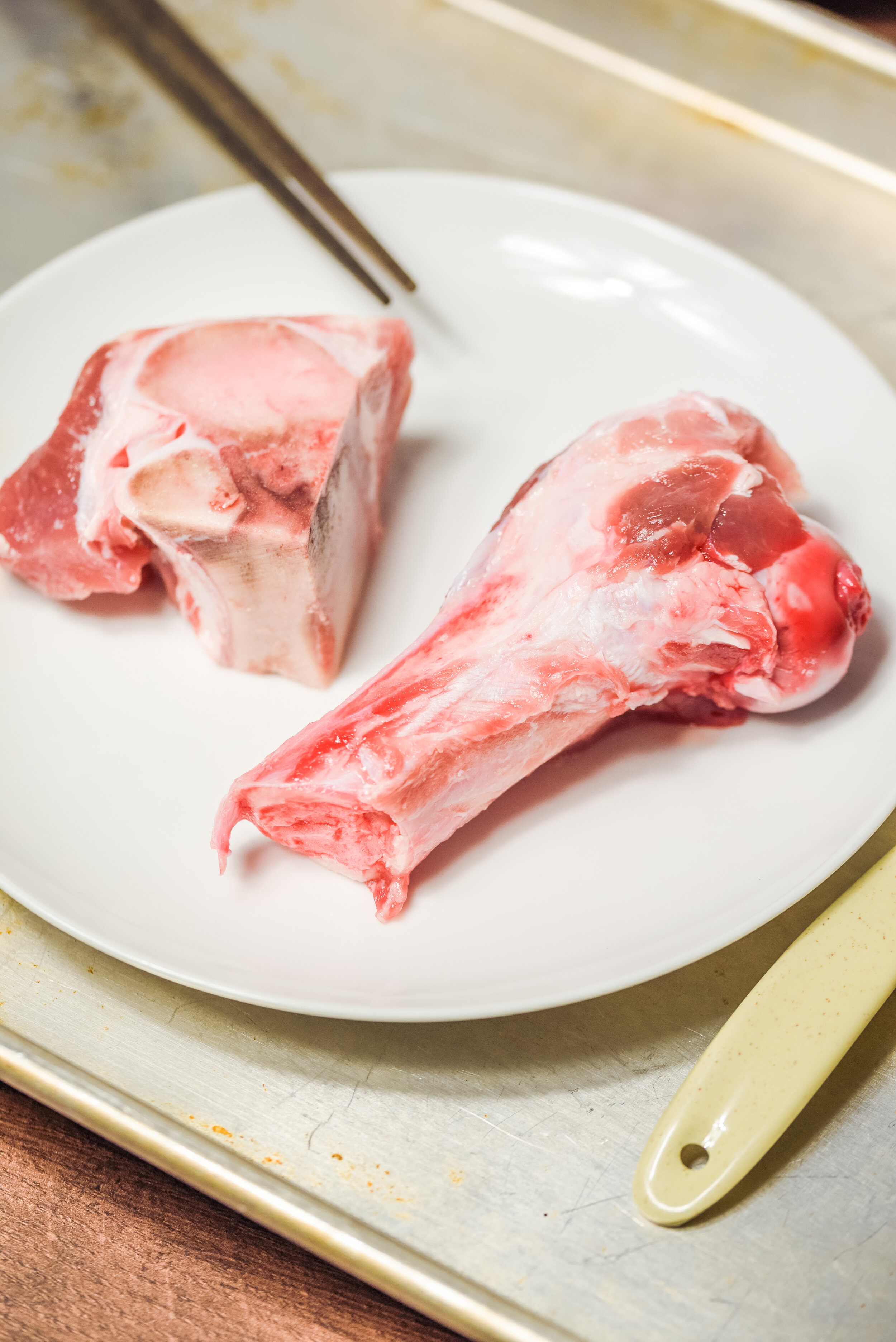
Pictured on the left is a Korean cut from Hmart. On the right is a Vietnamese cut from Lam’s seafood.
Non-Viet/Chinese cuts can be a little too pretty and perfect. I feel like this is where Ali Wong comes in and fast forward to her skit on Fancy Asian vs. Jungle Asian- rings true here.
Our cuts in grocery stores are usually more raggedy and jagged. But when Viet cut’s, the ends of the bones are often intact keeping the marrow in place (as that’s considered prized goods). Or it’s just rough cuts with meat and cartilage surrounding.
The meatiness of the bones is a good thing. Either way, the great thing about pork bones is that they create a gelatinous texture with a real hearty broth. The downfall is it requires a decent amount of simmering time.
Chicken Bones
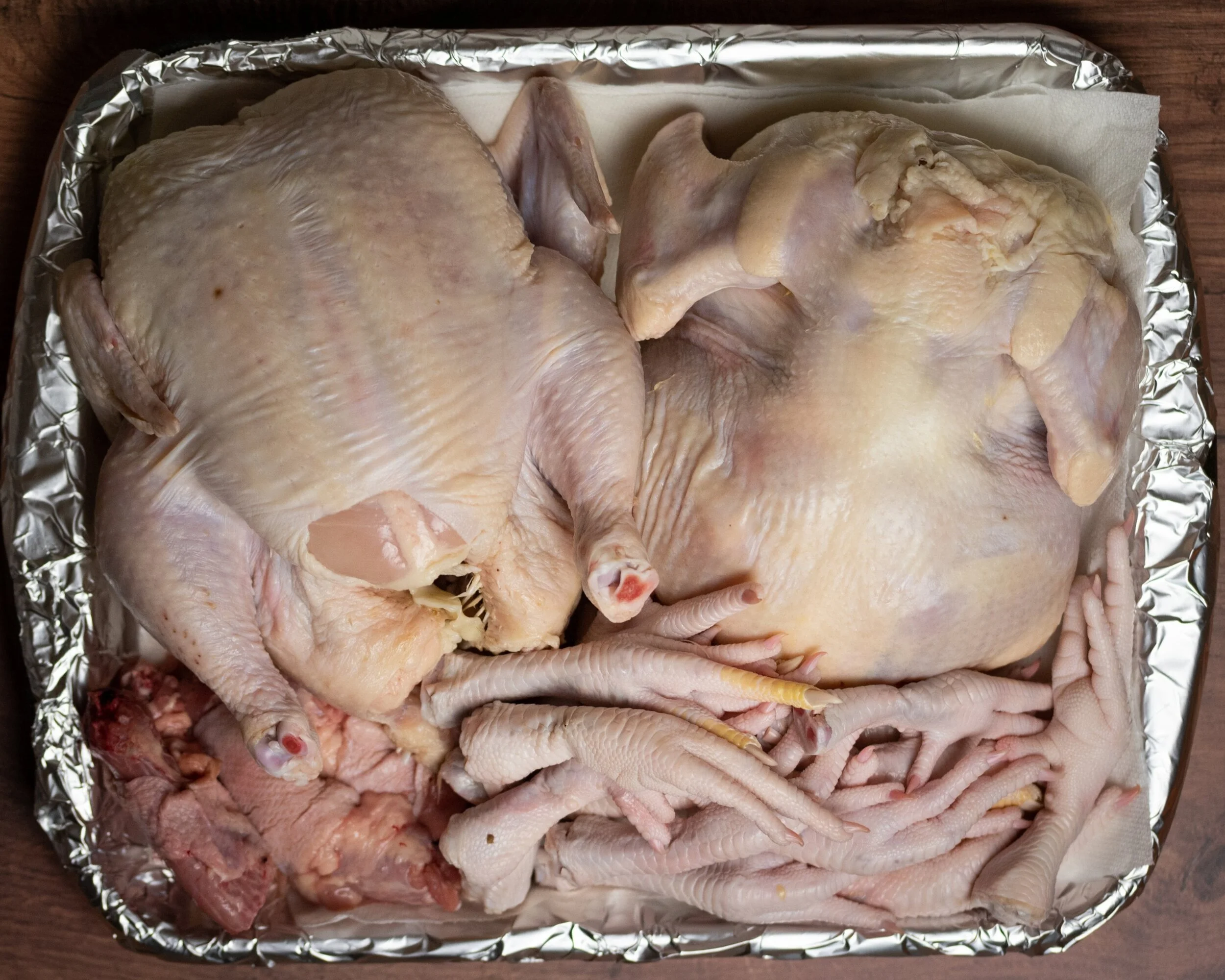
This one is different for many. Some recipes call for it, others don’t. One of the reasons why I add chicken bones to the soup base is because pork in itself can be really gamey.
It’s heavier, thicker, fattier, while chicken in my opinion is delicate in flavor, lighter, and sweeter.
I prefer chicken stock, but I love the richness of pork paired with the stock from chicken to create the perfect soup base.
The chicken carcass is good, but split for space with wings or feet is where the flavor is at. It's got more collagen and lends a better body to the stock.
Dried Shrimp
Truth gun: I’m not a fan of dried shrimp. It’s strong, it’s pungent, and if not done right, it can kill your stock. The umami is a little overzealous in the wrong dosage.
But this stock is true perfection. It’s all about balance and the dried shrimp really adds a necessary, sweet brininess that shines in this recipe.
It’s necessary. If you love it you can increase the amounts and decrease the amount of squid depending on how you play with the stock ingredients.
Please note, we won’t be leaving the dried shrimp or squid for longer than 2 hours.
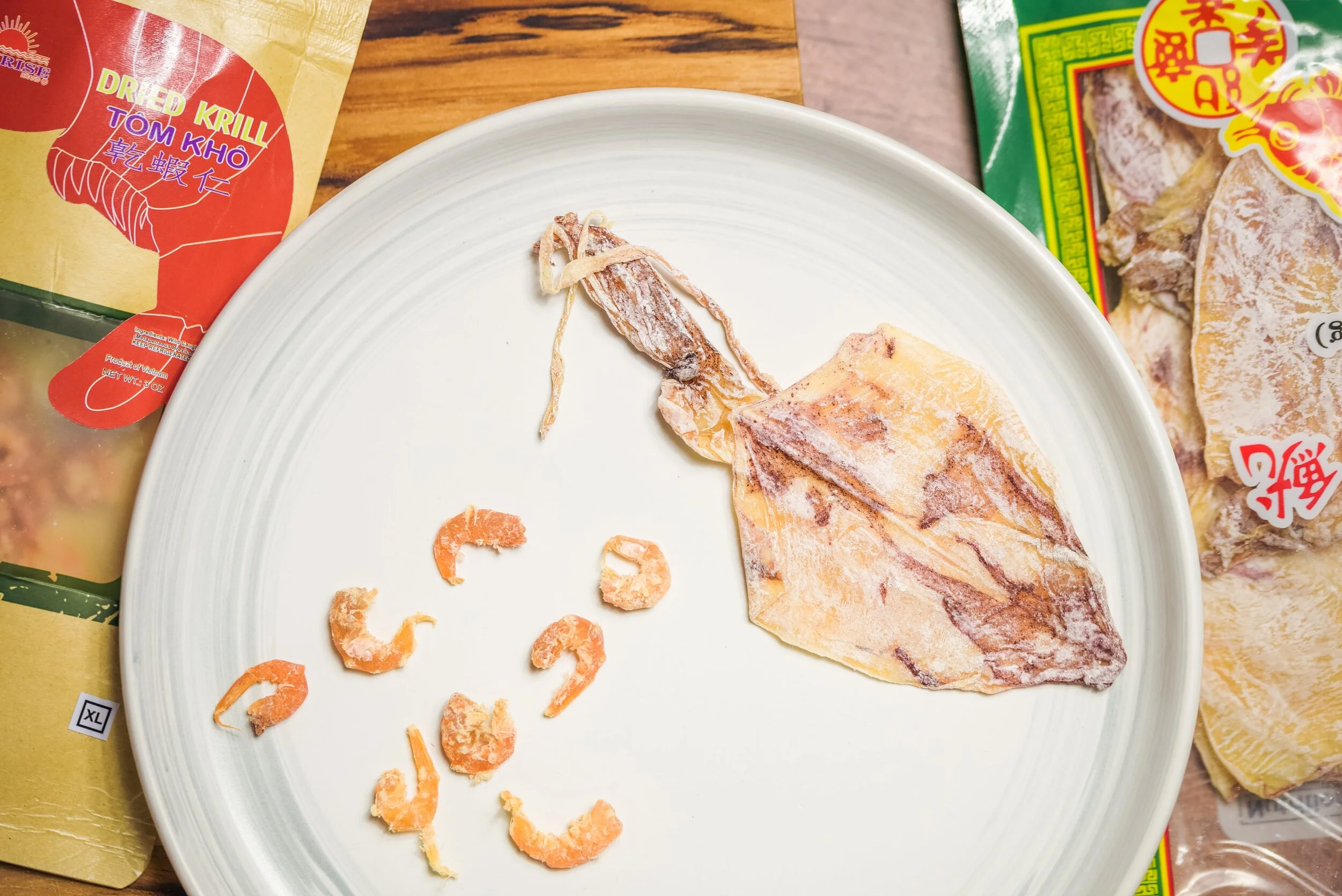
Dried shrimp and squid are added to impart a delicate balance of umami to this stock.
Dried Squid
This is another umami that is IMO way better than dried shrimp. In this stock, I would never do dried shrimp alone. However, I would do dried squid by itself if I ran out of dried shrimp.
Dried squid is a unique and under utilized umami. Rehydrated and charred, this squid adds a ton of depth.
The shrimp initially stole the limelight, but dried squid (slightly charred) in this recipe lends to the smoky flavored umami.
Daikon
Using daikon in this recipe is really important. It lends a subtle sweetness, with a slight peppery undertone.
It can withhold long processing times in soups and imparts a scent much more fragrant than pork bones by themselves.

SPECIAL TIPS
Old School vs New School
Although my recipes are traditionally old school, all natural ingredients, the new school method always has me straining my stock through a mesh sieve.
This is the OCD in me that comes out when it comes to clarity of the broth.
Truth be told, I’m not a fan of greyish dark browning pieces floating around in my stock. So strain with a mesh sieve, if you’re the same. Sometimes I use a cheesecloth or a paper towel to strain.
If not, just don’t skip the following part to ensure a clean broth. Make sure to skim the broth in the first hour to remove the gunk.
HOW YOU SHOULD EAT THIS
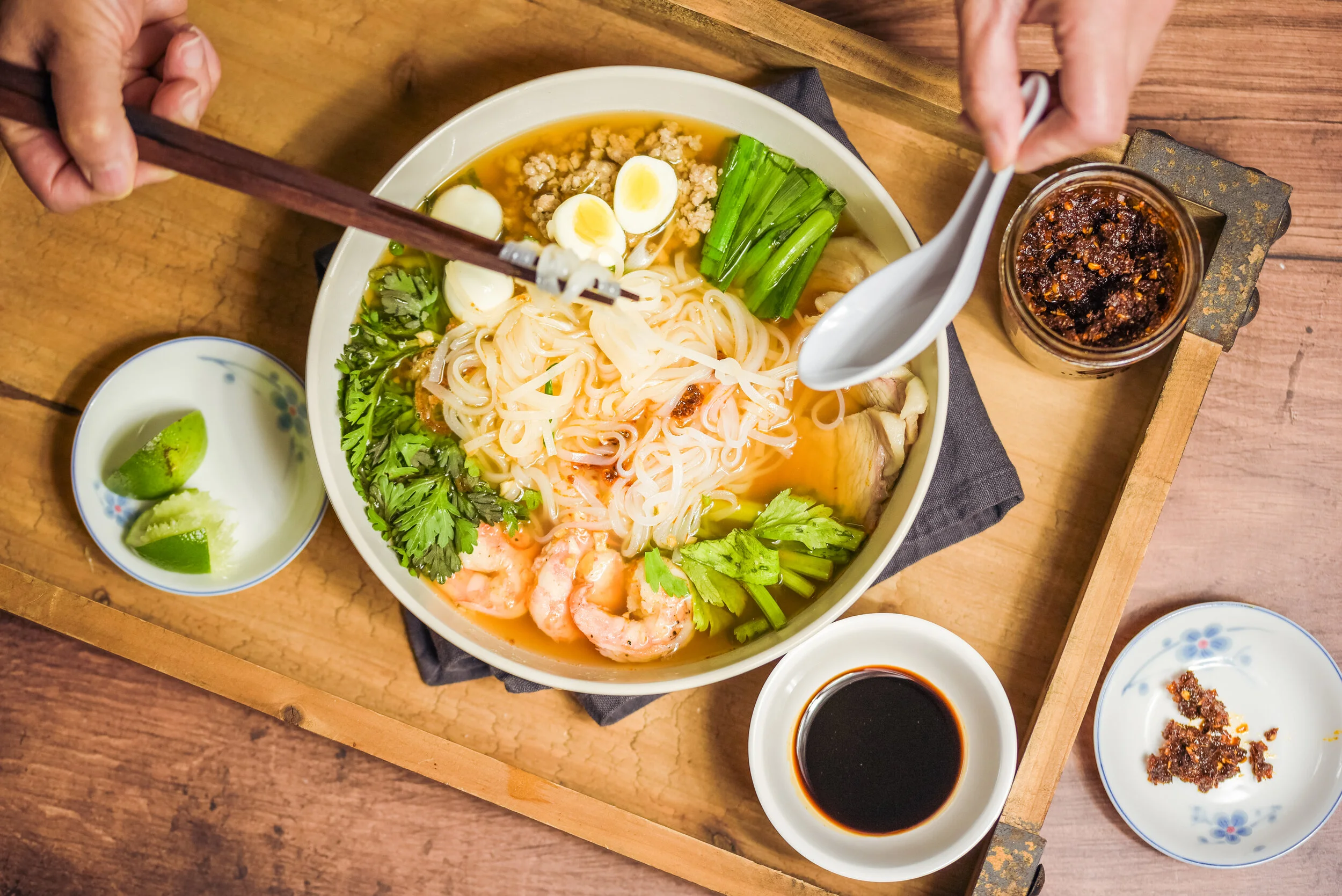
Nước Lèo is the base to many Vietnamese noodle soups. You can serve this soup on the side, or use it as the base for Mi Hoanh Thanh, Hu Tieu, and so much more.
The most important aspect is seasoning before serving. I always add the fish sauce after the broth has been strained.
FINAL THOUGHTS AND NOTES:
This soup stock is absolutely freezer friendly. After making stock the easiest way to portion them is in 15 oz bags for individual servings and freezing flat on a tray. When you’re ready to eat, thaw and simmer in a pot. Use accordingly.
LET’S GET STARTED!


Nước Lèo | Soup Stock
Ingredients
- 1.25 grams black peppercorn, whole (¼ tsp)
- 20 grams rock sugar (1 ½ inch knob)
- 16.5 grams salt (1 tbsp)
- 269.5 grams onion (1 medium whole onion)
- 17.5 grams ginger (1 ½ inch knob)
- 10 grams dried shrimp (2 tbsps)
- 227 grams daikon (½ lb) peeled, cut into large chunks
- 15 grams dried squid roughly 2-3 small pieces
- 3.5 lbs chicken/pork bones
- 5 qts water
- 30 - 45 grams fish sauce, to taste (2-3 tbsps)
Instructions
- Rehydrate dried shrimp. Rinse a few times and cover with water in a bowl until ready to use. Rinse and dry squid thoroughly.
- Preheat the oven to broil. Line sheet pan, place onion, ginger with skin intact under broil for 5 minutes and flip. Roast for an additional 5 minutes until charred fairly evenly on both sides. Remove and allow to cool on the pan.
- Alternatively, do this on a stovetop.**
- Peel the skin of ginger and onions and set aside. Broil squid on both sides until lightly charred. Set aside.
- In a pot add chicken/pork bones. Cover with water and hard boil for 5 minutes. Drain, rinse and scrub the bones with cold water set aside. Clean the pot.
- Place the scrubbed bones, and all the remaining broth ingredients with the exception of dried shrimp, squid, and fish sauce in the cleaned pot. Bring the pot just to a boil.
- Reduce the heat immediately to an easy simmer and cook for at minimum 5 hours (preferably 12- 24 hours). Cover with a lid.***
- In the last two hours of simmering add the charred squid and rehydrated shrimp. Continue cooking until desired time is reached.
- Using a fine mesh strainer, strain stock into another pot. Once the broth has been strained, add fish sauce, adjust seasonings and use accordingly
Notes:
- In a pan dry roast the cloves, peppercorn and star anise over medium heat. Remove the pan and set aside.
- Char ginger and onion directly on stove top over medium heat until charred evenly all around.
- When covering with a lid, make sure to watch the temperature increase and lower if needed to maintain steady soft simmer.
- Final product amount will vary due to simmering time and heat temp, lid or no lid.
- Use within 7 days or alternatively, place in a freezer safe container until ready to use. Will keep for 1 year in the freezer.

