Vegan Pumpkin Pie with Fresh Roasted Pumpkin
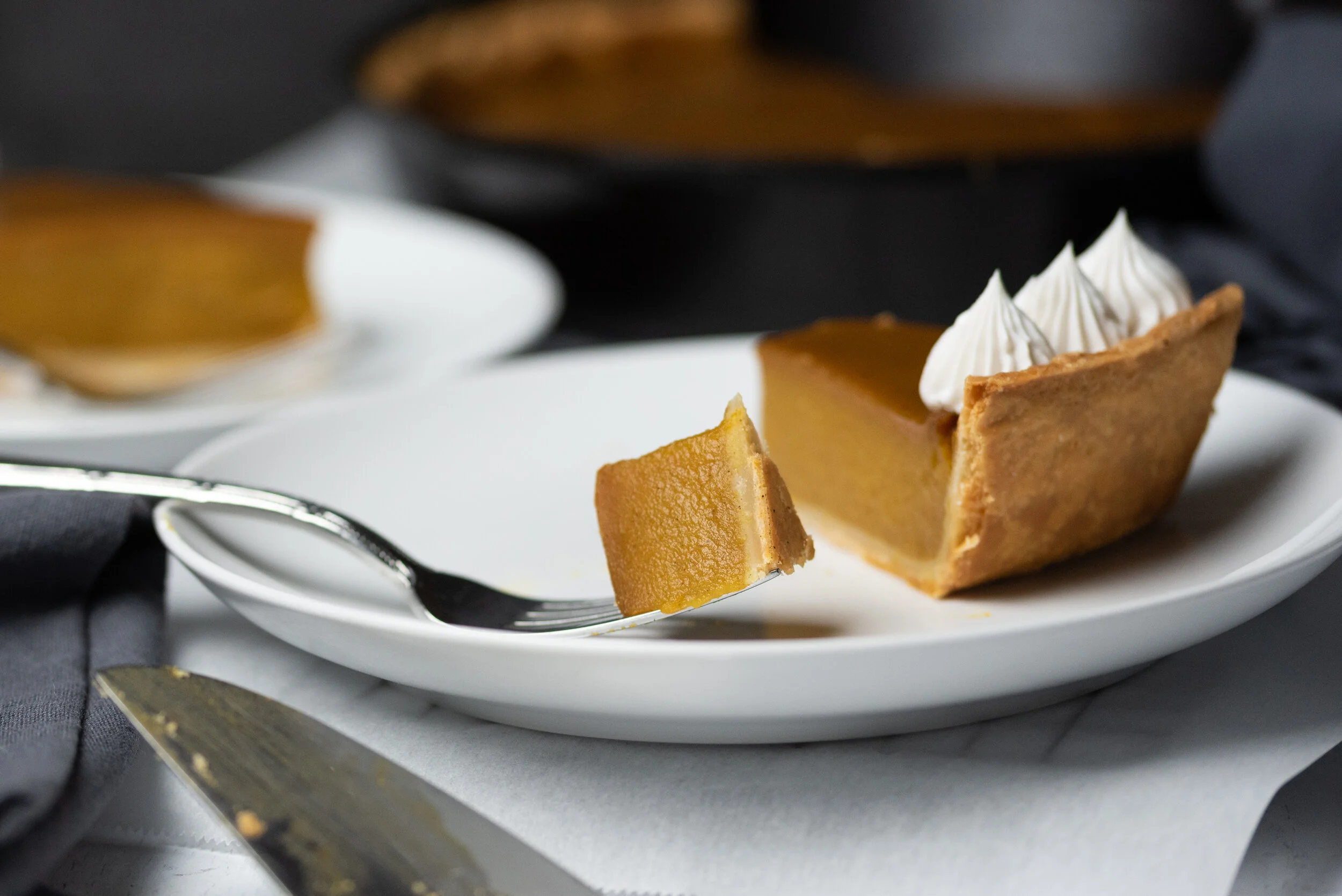
Custardy thick, velvety smooth fresh pumpkin pie, made vegan.
Vegan Pumpkin Pie with Fresh Roasted Pumpkin
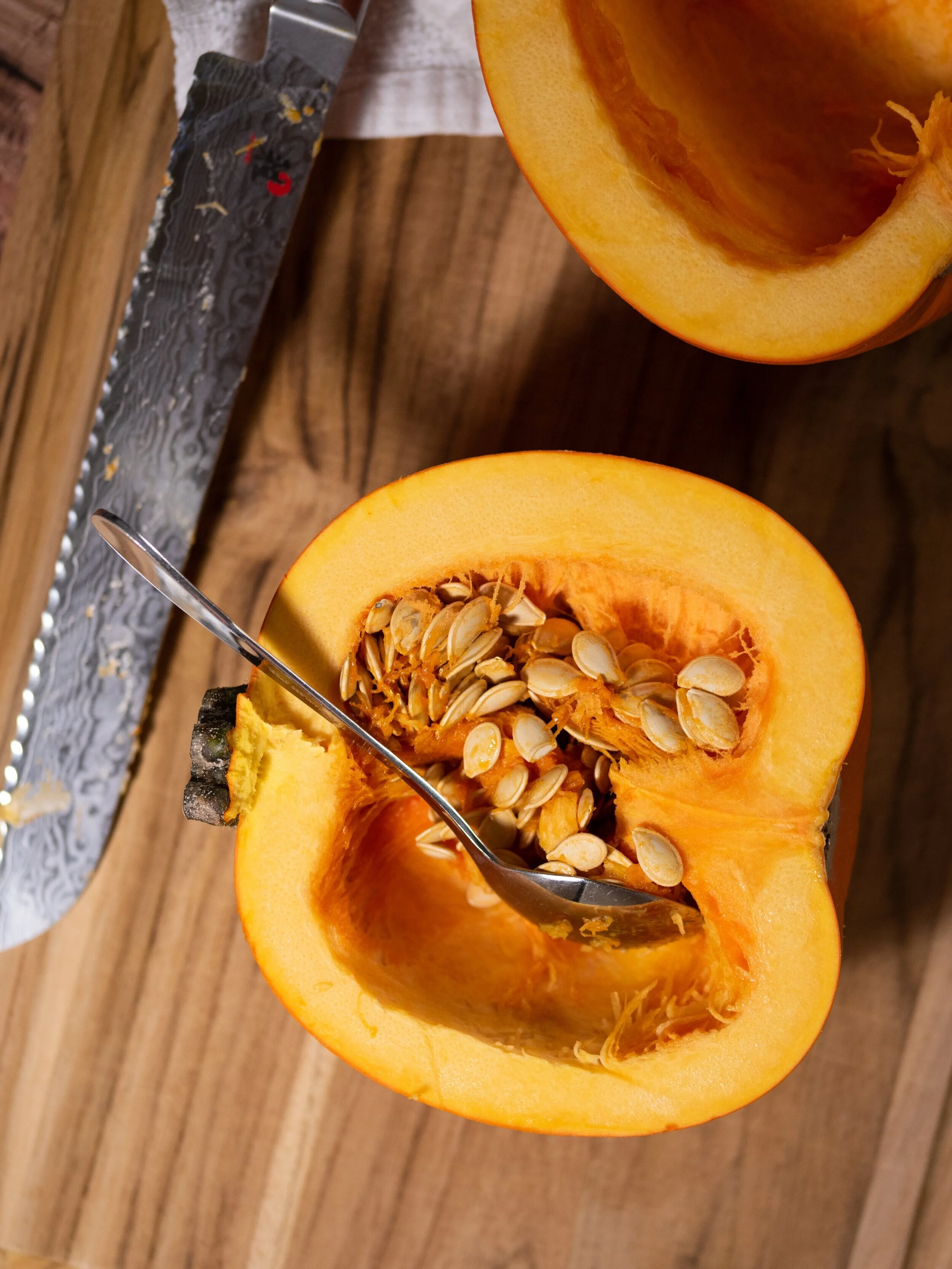
Roasting your own is likely the only time you’d get a sugar pumpkin.
Why even bother mentioning fresh roasted? Because the question is constantly asked about how to make pumpkin pie with fresh pumpkin puree.
In this recipe we will go through the challenges that are faced when creating pumpkin pie from homemade puree and solve them.
If you decide not to use homemade puree, continue reading to find the hacks in a pinch.
Is there really a difference between canned and fresh? My nose turned up in the air with a little indignant food snob answer- is yes. Yes, there is.
Canned vs Fresh
Let’s talk about specifics. Canned pumpkin is typically steamed. It’s great if you’re in a pinch, but oven roasting a pumpkin serves a few different purposes.
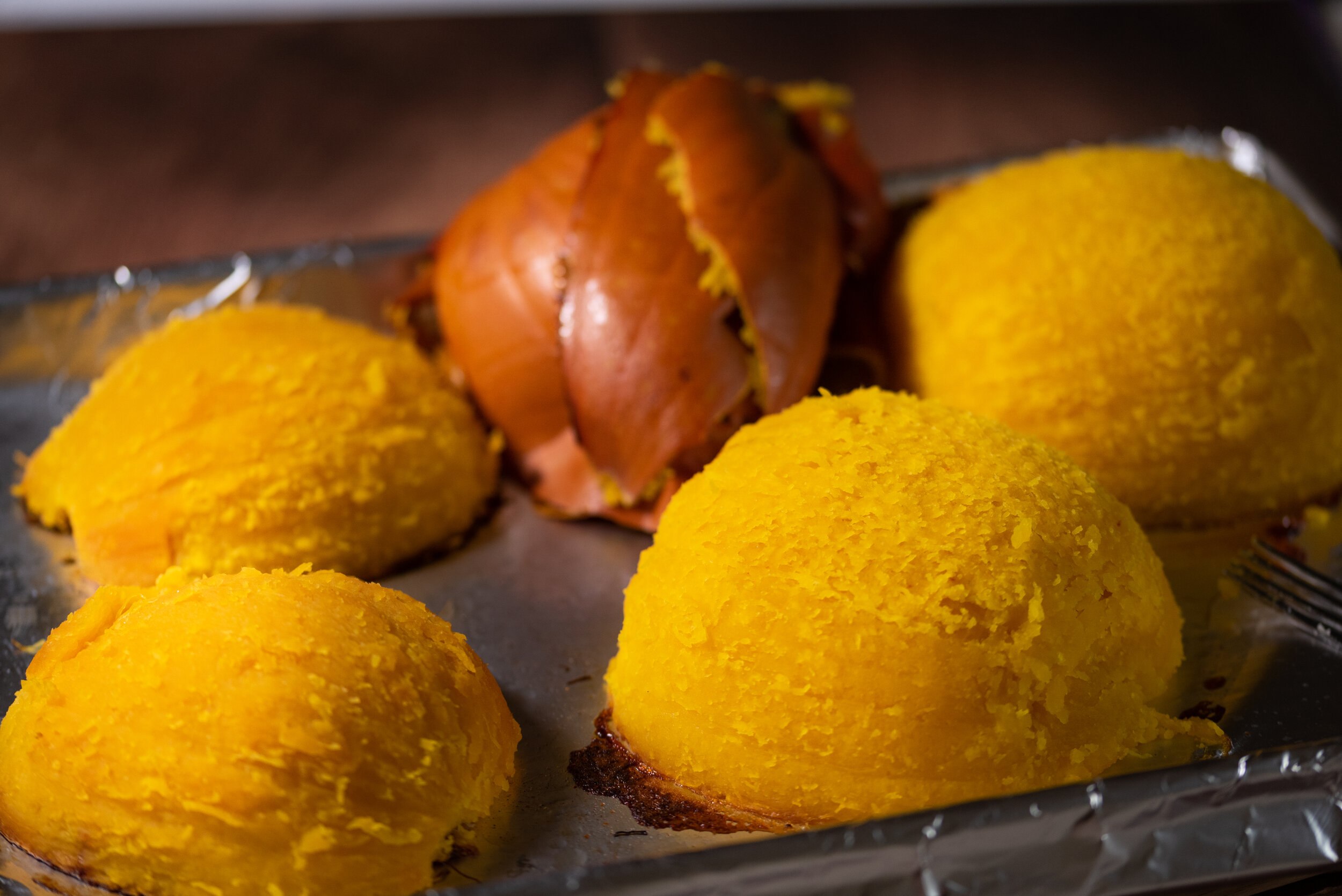
Fresh Roasted Sugar Pumpkin
Taste. When roasting a sugar pumpkin, we’re caramelizing the natural sugars of the pumpkin. There is more depth and a sweetness that is unrivaled.
Viscosity. I’d think because we were roasting, there would be less water in our sugar pumpkin. However that would mean we would need to compare sugar pumpkins to sugar pumpkins. The water content is different. Usually resulting in more with homemade pumpkin puree.
Type. Canned varieties are similar to the heartier squashes such as butternut or Dickinson. The squashes I’ve listed are quite different. It’s like comparing a russet potato with a garnet.
This is really important to understand as we develop our custard base for a vegan pie.
Wait- let me pause for a moment. Yes, your puree isn’t necessarily sugar pumpkin, if anything it’s rarely an orange sugar pumpkin you’d envision.
Blind Taste Test. In my post about roasting pumpkin to make puree, my kids could tell the difference almost immediately. They all preferred homemade pumpkin puree.
We could taste the difference in everything from pumpkin butter, to pumpkin ice cream. The homemade pureed version was preferred every time.
Different Milks
What is the difference between different plant based milks in this recipe? I’ve used everything from coconut milk, coconut cream, oat milk, soymilk, almond milk, here is what I’ve observed.
Coconut cream is the creamiest. It’s really best for people who aren’t huge pumpkin lovers. It mellows the pumpkin flavor making it more palatable for the non pumpkin pie lovers.
It’s the fattiest of milks listed here. Allowing your custard to set up firmer, once chilled. If anything you could probably reduce the cornstarch by a smidgeon if you’re using full on coconut cream.
Coconut milk varies so much from one brand to another. From full fat to the drinkable (which I find offensive) version, it’s still a really strong flavor.
If the goal is to mellow out the pumpkin this is a great option. It will set much like the other milks.
Almond and soy milks are great if you can use them. I really recommend the soy version just because the milk has a natural emulsifier from the soy.
It’s perfectly creamy, and takes on flavors well. Unfortunately for us we have nut and soy allergies, so this will never be an option for us.
Oat milk can really be a hit or miss. Costco’s oat milk tends to be a miss, but at the rate that I bake/blog and need a cost efficient option, this is what we settled on. Surprisingly it was pretty amazing.
The oat milk really allowed the pumpkin to shine thru. When not masked with a ton of sugar and pumpkin pie spices, the subtle flavors of the pumpkin were really well pronounced with this milk.
All of this to say, pick your ideal milk. You can’t go wrong, even if you decide to choose watered down coconut milk.
Okay- there is a lot of shade there, but that would be the only milk- I might give you a hard time for using. Even then, this recipe is pretty amazing. Use the watered down coconut milk, if you must and let’s break it down.
Building a Vegan Custard Base
There are two things that are important to note:
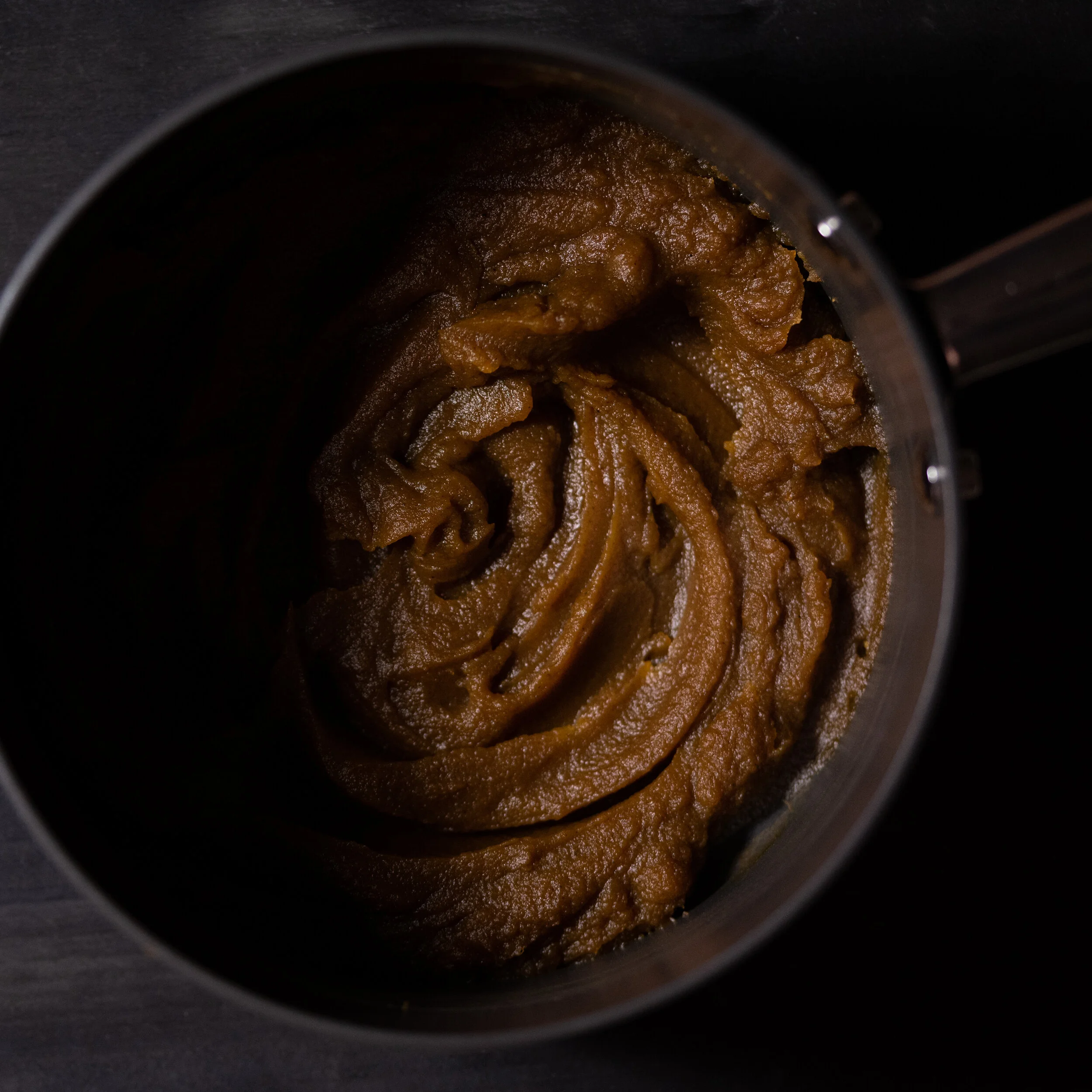
Simmer ingredients over the stove top to decrease excess liquid.
The recipe calls to blend then heat the ingredients over the stove top. We heat the ingredients because it helps to reduce the excess water.
The other reason, it melts the sugar. I’ve said this before in other recipes, but organic vegan sugar tends to be larger in granules. In a custard, it’s nice to get the consistency to be smooth.
It melds the flavors, allowing pumpkin spices to get a little warmer. We want to activate the cornstarch so it bakes up a bit firmer. Heating it prior to baking is helpful because we have no eggs and less fat. Our vegan custard needs a little bit more help to set.
Spices.
The roasted pumpkin is the star of this show. Fresh pepper really balances out the spices and enhances the pumpkin flavor.
Omit if you desire, but it’s like salt on chocolate chip cookies. There are some people who don’t actually like it, and I’m still trying to understand that.
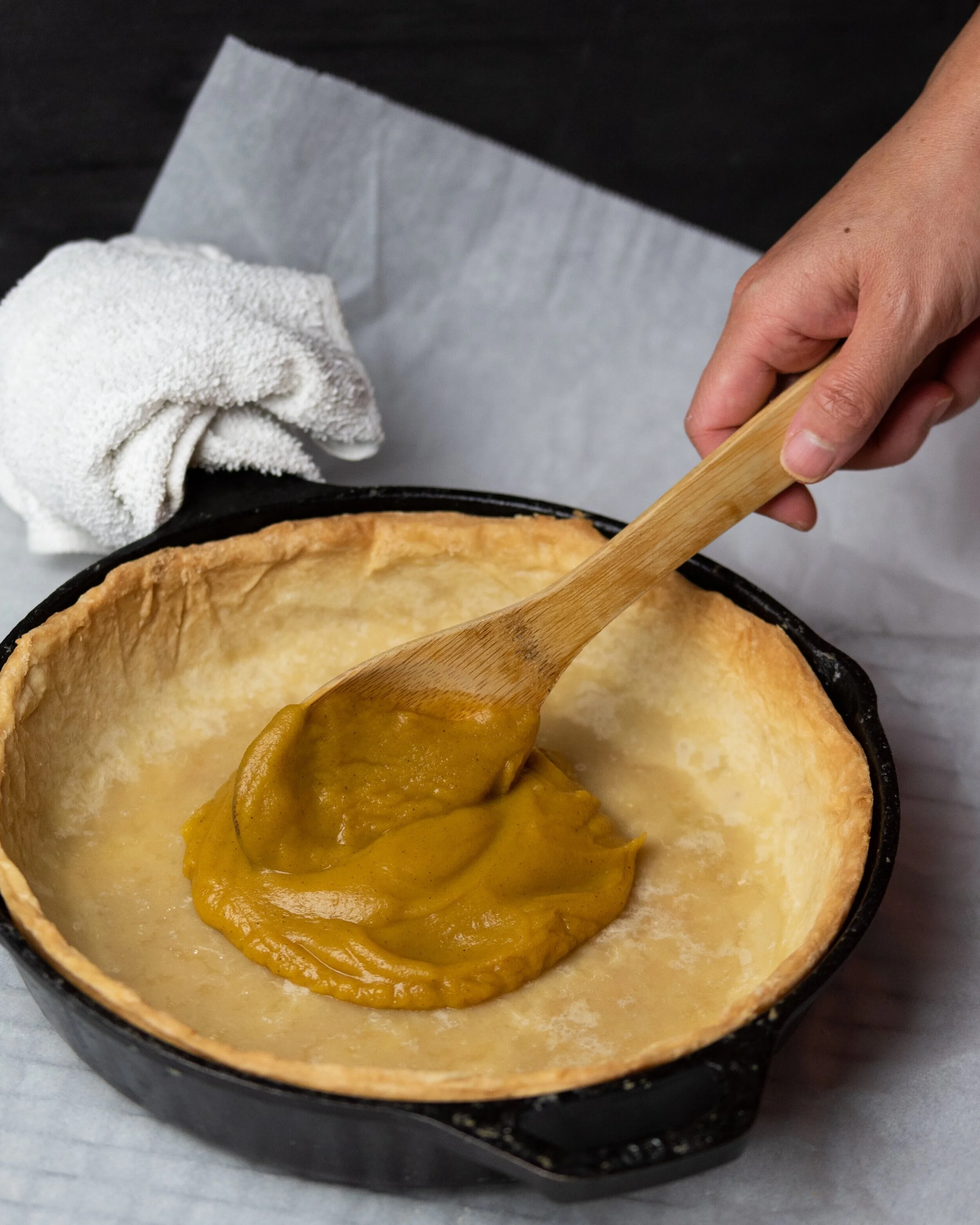
When the custard has come together, spread it into the blind baked pie crust to bake.
Final Thoughts and Notes:
If you don’t have time you can easily use a can of pumpkin. You still want to blend it to make a smoother puree and get rid of the stringiness that some cans present.
No sugar pie pumpkin? No problem. Use any of your favorite orange squashes.
Butternut squash is great because it’s easy to find in the store, chopped and peeled. Roast it in the oven and make the puree.
This makes life a bit easier during the holiday mayhem.
Don’t overbake. It will cause your pie to crack. You want the pie to just set in the center. Blind bake your pie crust for the best traditional pumpkin pie experience.
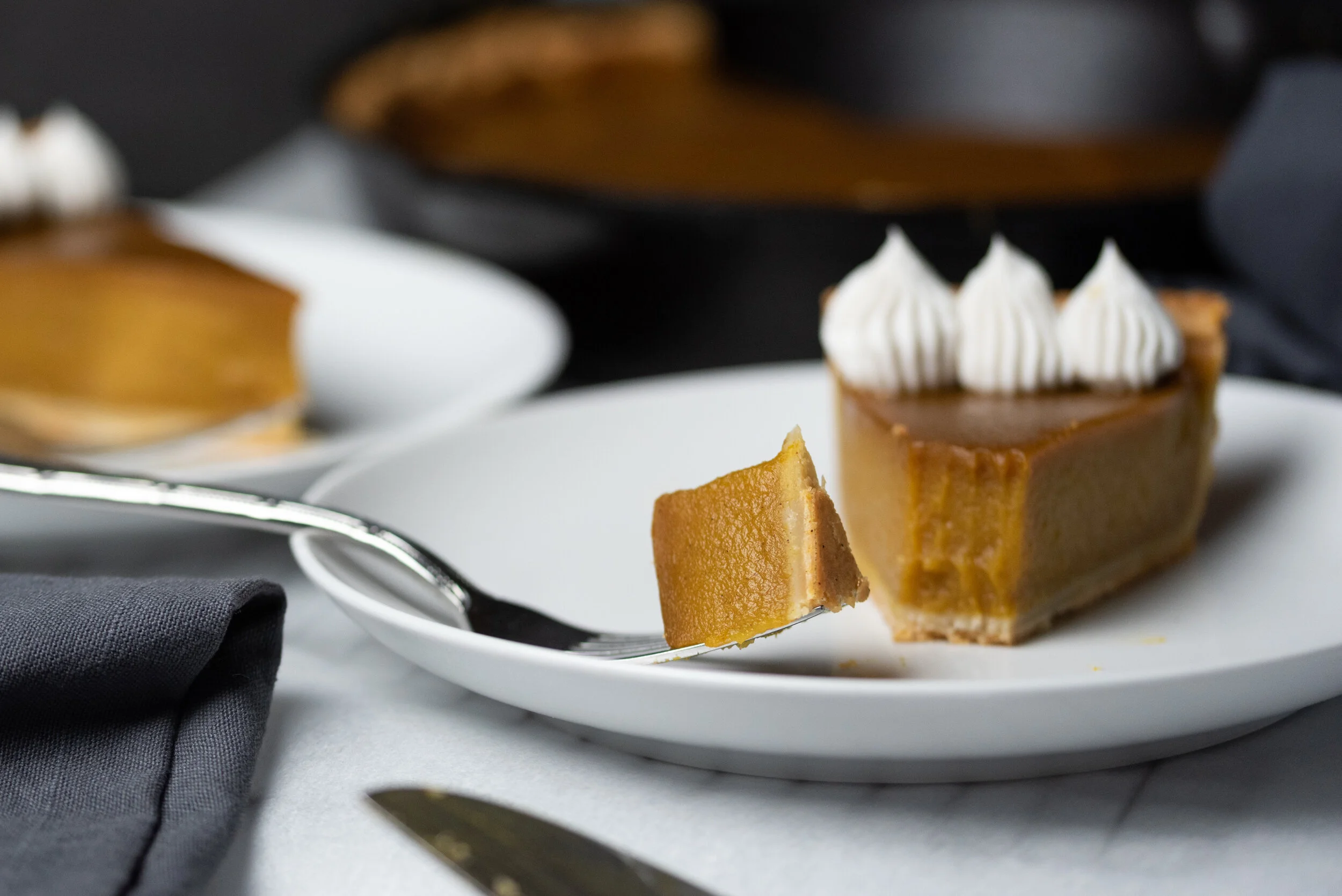
Vegan Pumpkin Pie


Vegan Pumpkin Pie
Ingredients
Instructions
- Preheat the oven to 350 degrees.
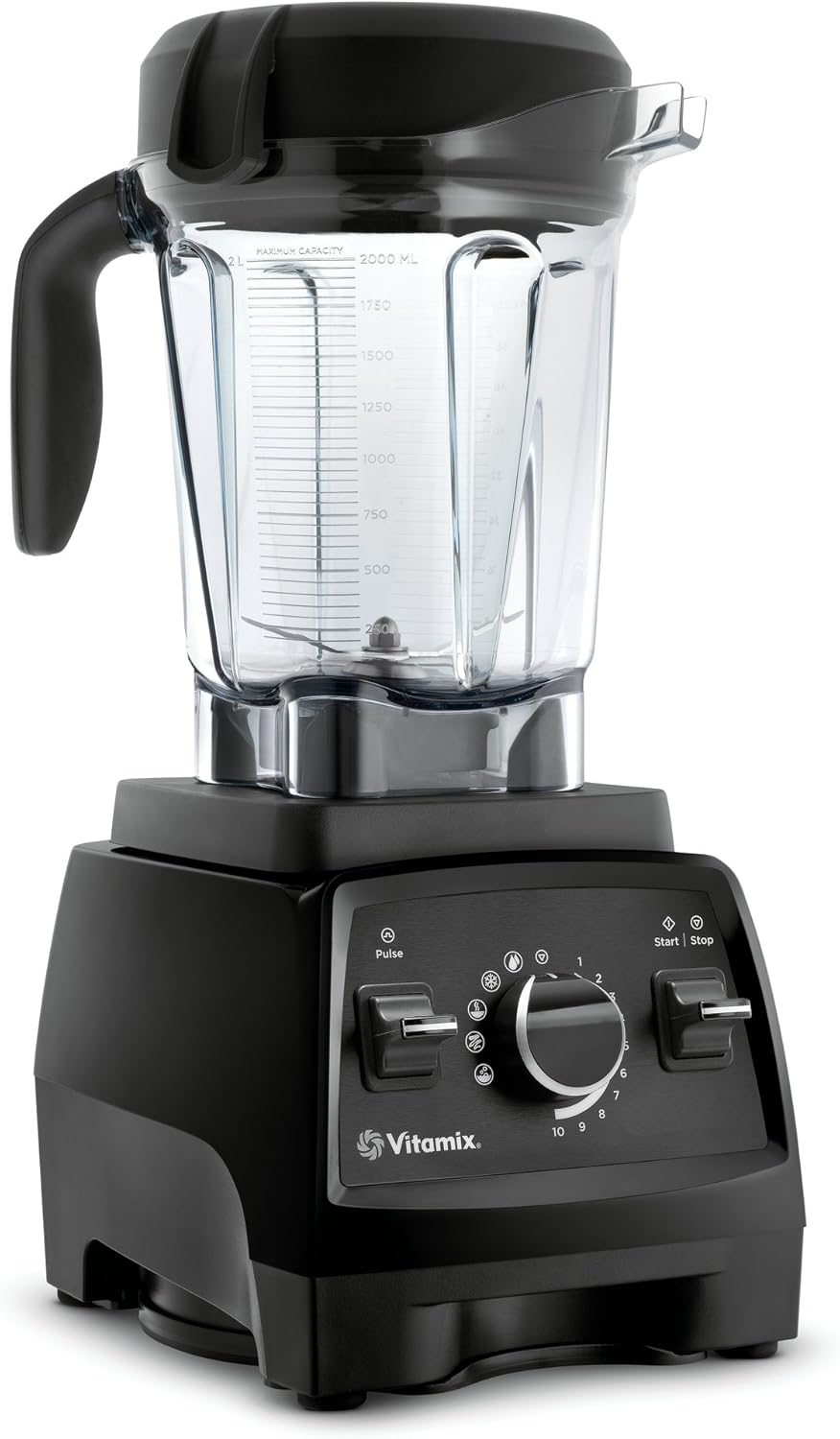
- Using a blender, add all ingredients and blend until fully incorporated.
- In a saucepan over medium heat pour ingredients and bring to a slight boil.
- The mixture should pop and sputter, once it does bring down the temperature to low and continue whisking. Roughly 5-10 minutes.
- Pour into the prepared pie crust and bake for 35-45 minutes.**
- Once the pie has cooked until slightly set in the center, shut off the heat and crack the oven open.
- Allow to cool for 10-15 minutes. Remove from the oven and let it come to room temperature. Alternatively refrigerate and cool.
- Serve at room temperature or chilled. Enjoy!
Notes:
**If you don’t have time you can easily use a can of pumpkin. You still want to blend it to make a smoother puree and get rid of the stringiness that some cans present.
**In a regular pie pan, bake in the center rack of the oven. If using a cast iron pan, move rack to the bottom quarter of the oven and bake for 40-45 minutes.
**Don’t overbake. It will cause your pie to crack. You want the pie to just set in the center. Blind bake your pie crust for the best traditional pumpkin pie experience.
**Store in an airtight container and refrigerate for up to five days.