쌈장 | Ssamjang
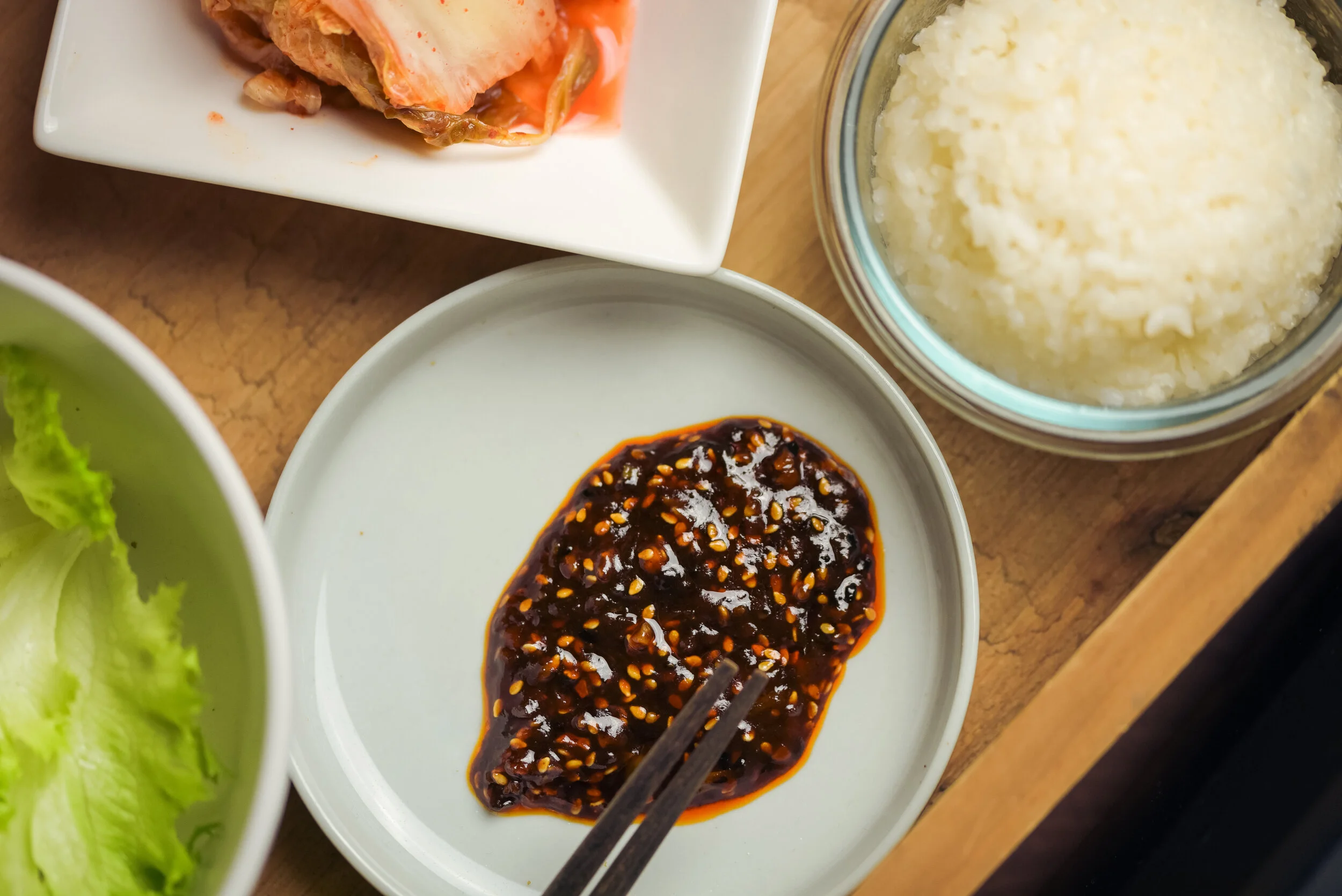
쌈장 | Ssamjang
쌈 = ssam (wrap)
장 = jang (fermented condiments)
According to google ‘장’ means chapter. Goes to show that google’s lack of translation doesn’t discriminate with just Vietnamese, but Korean too! Kidding. But really though the interesting thing is 쌈 translates to the Vietnamese word gói. We got one right.
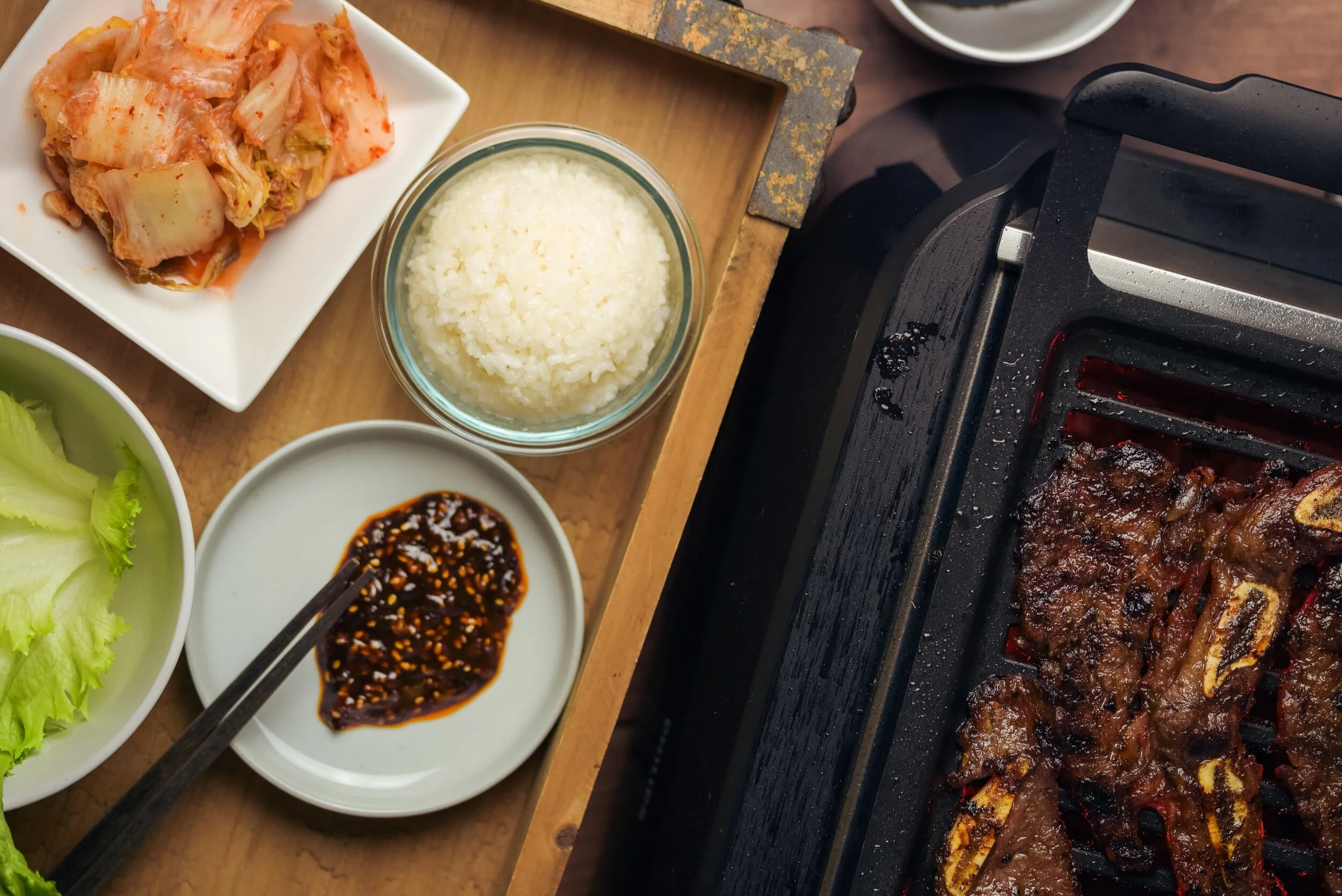
Ssamjang is the quintessential dipping sauce to Korean BBQ
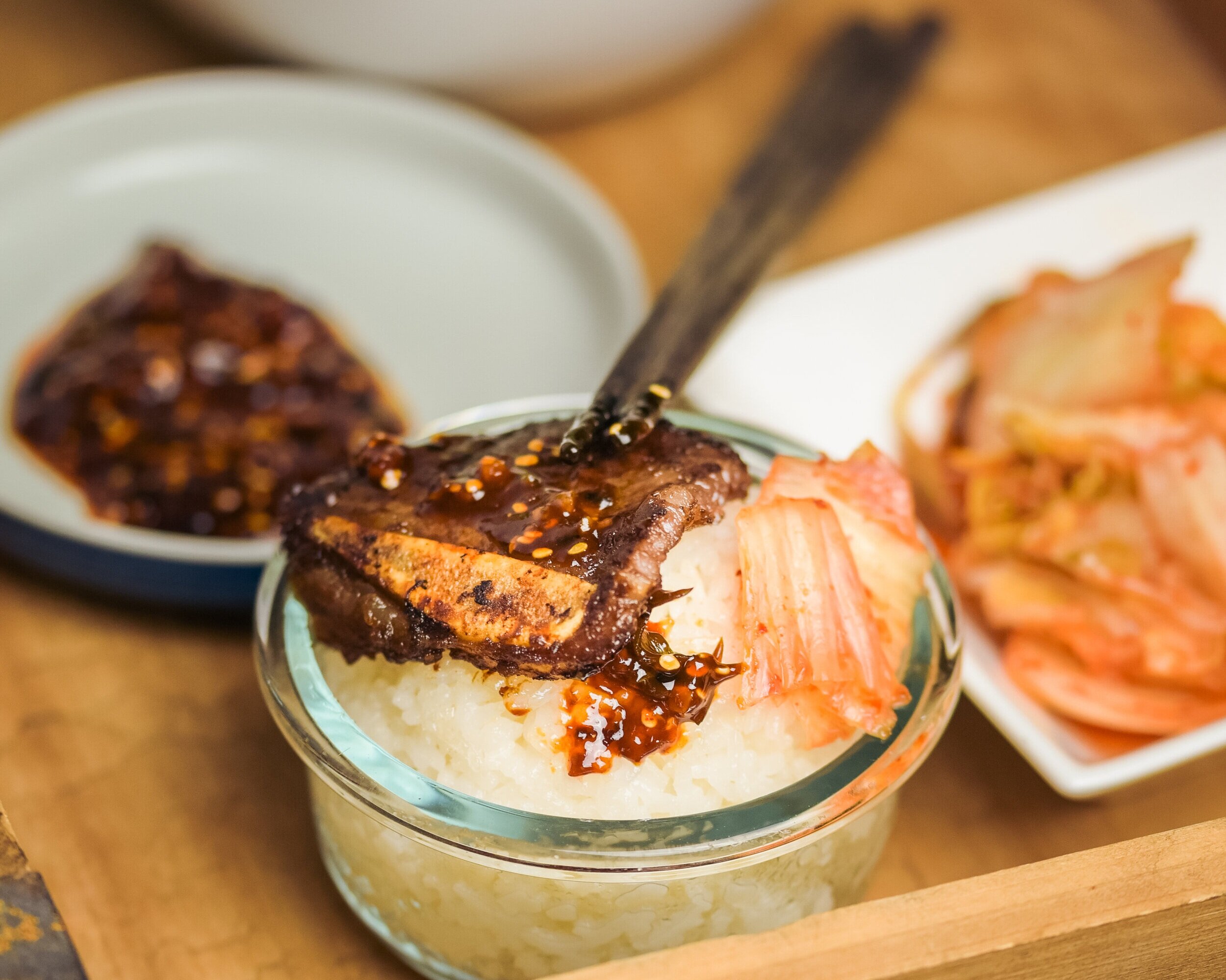
Ssamjang eaten with Korean BBQ or over rice.
Korean BBQ and ssamjang go together like a burger and cheese. Whether you add rice to your lettuce or eat it on the side with your wrap, ssamjang is what nuoc cham is to me, in the Korean world, important. You can apply the sauce to your lettuce wrap or dip it in, but either way you need ssamjang.
It’s fermented sweet, savory chili paste balanced with an earthiness that comes from soybeans. Much like nuoc cham and the different variations, ssamjang has many variations as well. The recipe that I have is a combination of both cooked and raw ingredients.
THE DO NOTS
There really aren't any major do nots here. It really is dependent on what your taste buds enjoy. I can tell you that this is a hit with everyone. From the little guys to the older ones, spicy or not this is a homerun.
The most important thing is that you enjoy your variation of the sauce. There are a couple of key ingredients that make a ssamjang a ssamjang. With that being said, here is some helpful info to ensure success for an authentic Korean ssamjang.
MEET THE PLAYERS
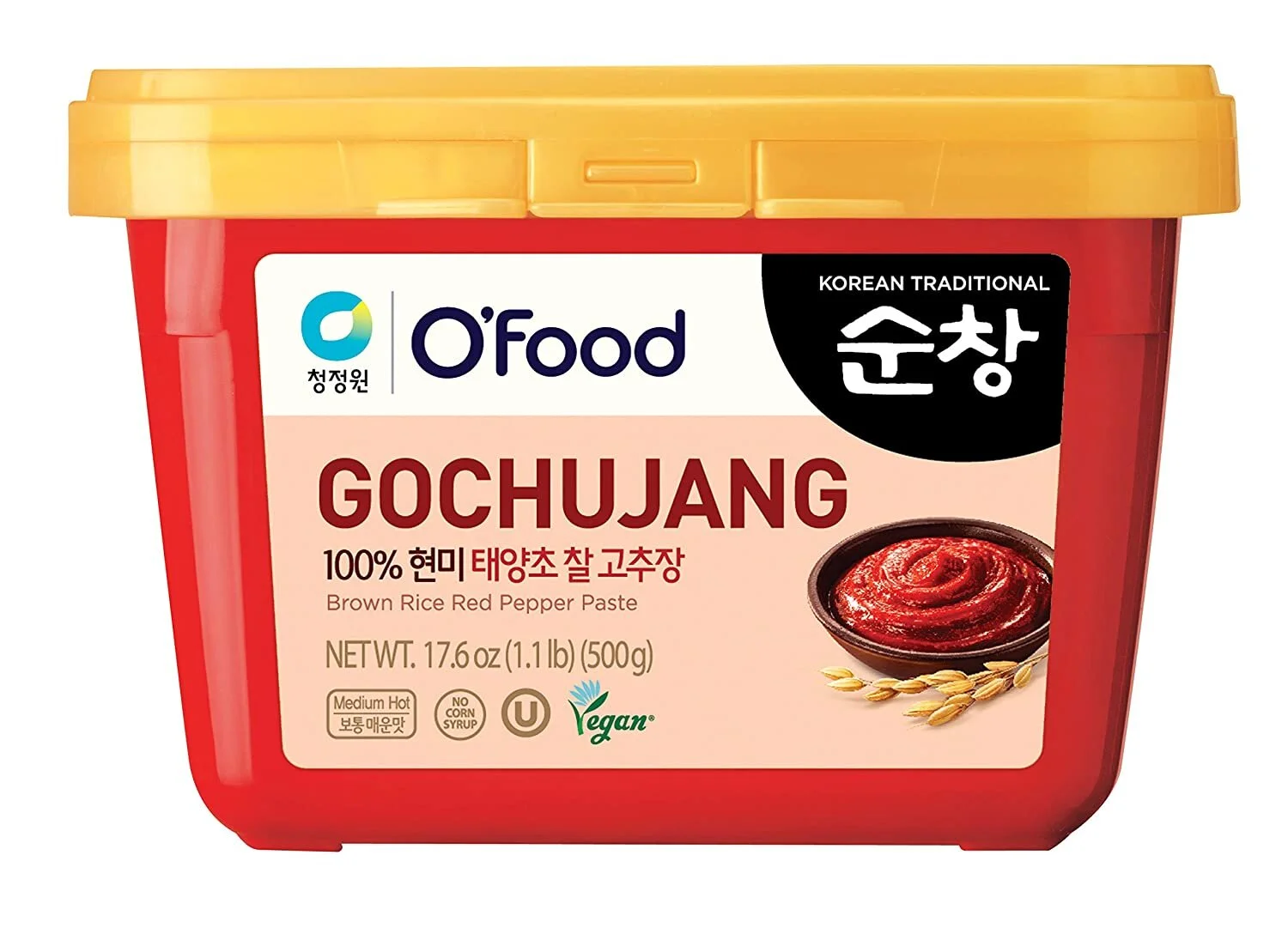
고추장 | Gochujang
This deep red chili paste is thick. It’s quite literally a paste. It’s also one of the more commercially well known Korean ingredients. Gochujang is sweet, savory, slightly spicy fermented chili paste. It’s made from glutinous rice, chilis, salt, fermented soybeans and often uses sweeteners.
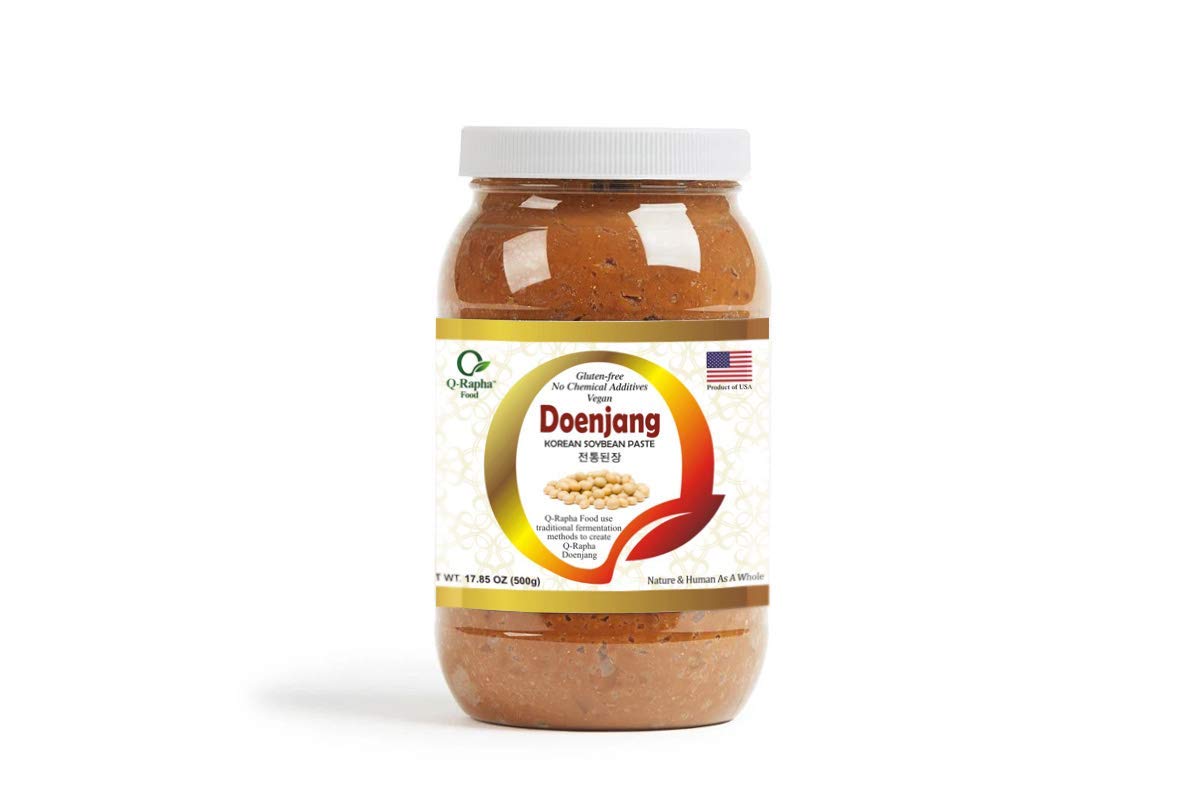
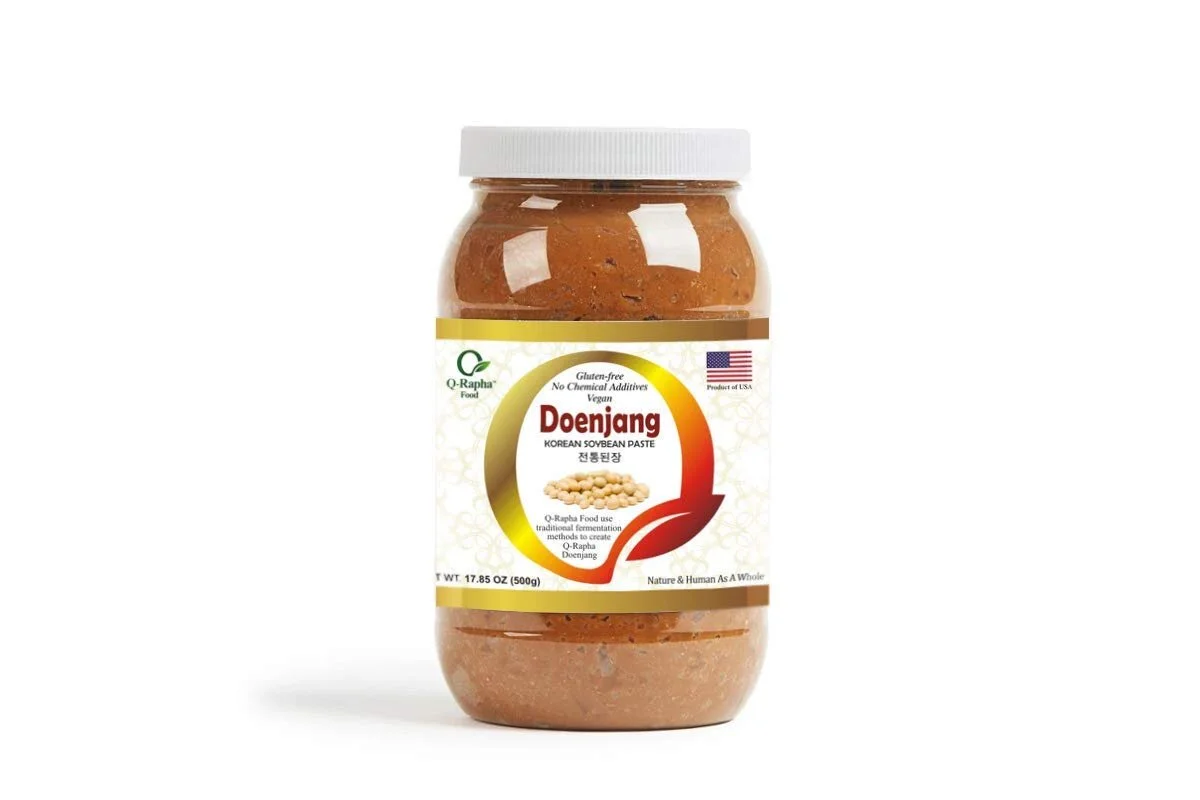
된장 | Doenjang
Doenjang is Korean fermented soybeans. Miso to Japanese is what doenjang is to Korean cuisine. Japanese use koji to help ferment while Koreans use salt and soybeans. There’s a stark difference in flavor profiles as well.
Miso is milder, sweeter, more subtle, while doenjang is sharp, pungent, and more complex. I love both, but I prefer the more robust flavors doenjang carry.
If you’re not a fan of robust flavors you can substitute with miso for something more mild. I did not have either in my fridge and substituted for fermented black beans which tasted great, but is not a purist recipe.
Adding doenjang makes the ssamjang more earthy, while giving you the acidity from the fermented bean.
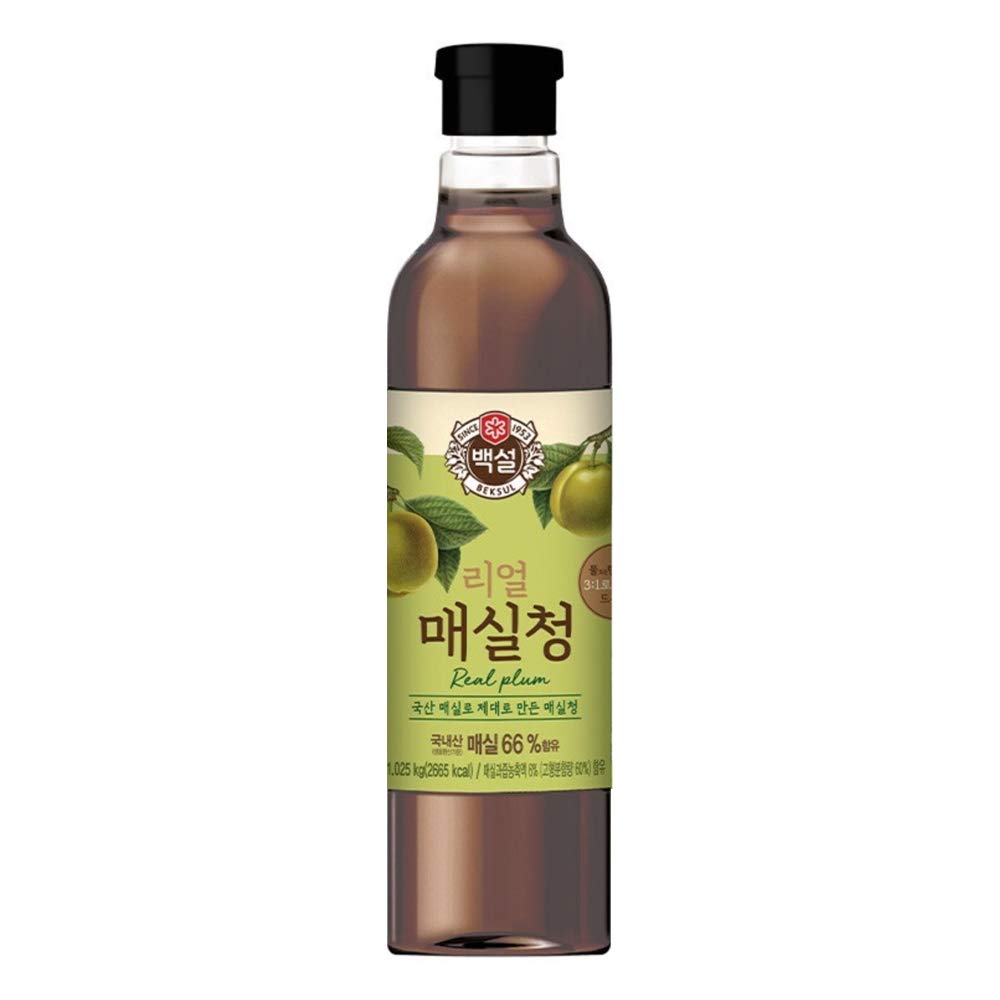
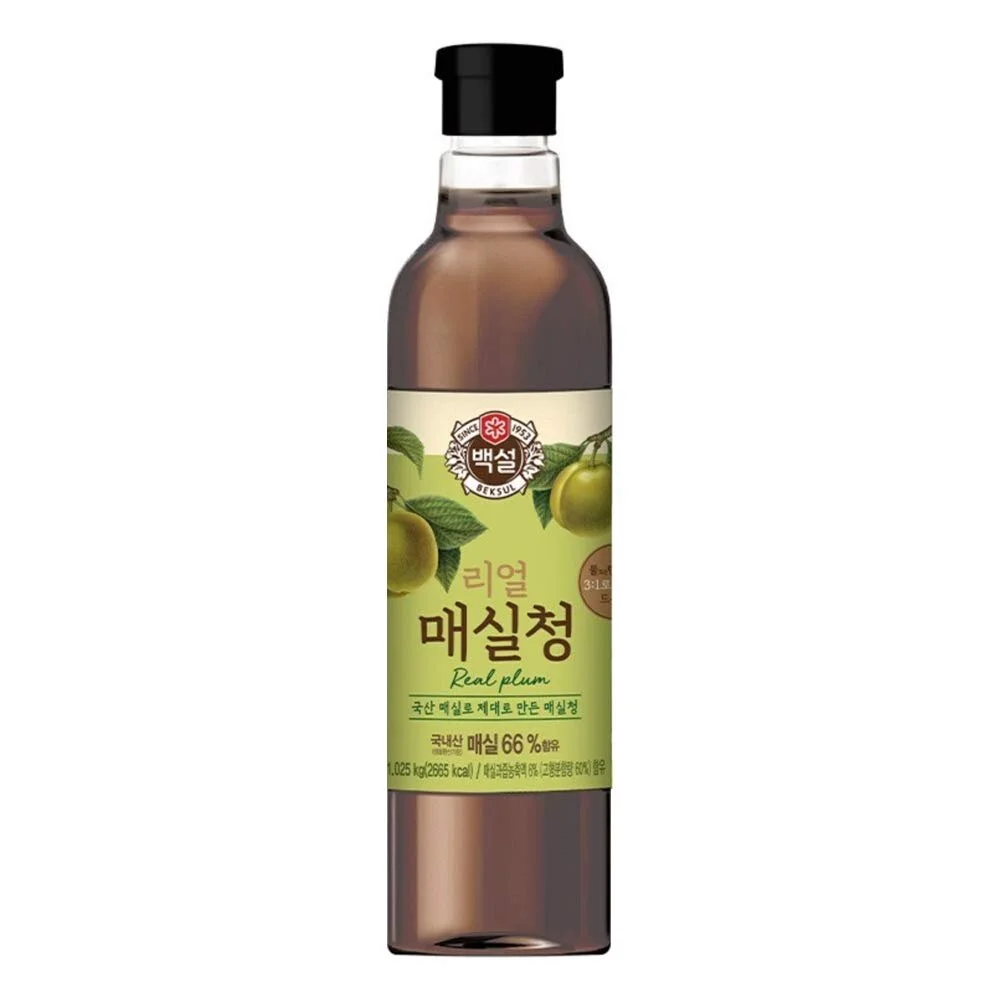
매실청 |Maesil Chung (Beksul Plum Extract)
Unlike Vietnamese food using citrus for acidity, Koreans use fermented ingredients plus this little bit of goodness. Green apricot plum extract is tart and sweet. This ‘extract’ helps to round out this recipe.
It’s a unique ingredient that has the consistency of maple syrup. Maesil Chung isn’t really an extract. In a nutshell, it’s green plums fermented in sugar for a minimum of 90 days. It looks like macerated strawberries over a longer period of time.
If you can’t locate plum extract use ume syrup or a brown rice syrup as an alternative.
SPECIAL TIPS
The Saute
If you’ve ever had the Korean-Russian carrot salad also known as 마르코프차/марков-ча. They use a technique that sweats the onion with plenty of oil. Once the onion has infused the flavors into the oil, the onions are discarded and the remaining oil is used to make this amazing salad.
We aren’t discarding the garlic or scallions, but essentially we’re heating them to allow everything to meld together. It loosens up the thick paste like gochujang and doenjang while taming the garlic.
Viscosity
Depending on the consistency you prefer for your ssamjang, if it’s too thick you can add a bit of water. Traditionally this dipping sauce tends to be on the thicker side.
HOW YOU SHOULD EAT THIS
Ssamjang is typically eaten with lettuce wraps and Korean BBQ. Some apply it on the rice wrapped in lettuce with the BBQ and others will dip it in the sauce. You can use this sauce as a marinade on meats or vegetables. It’s really hearty and pairs well with vegetables to dip or just eaten with a bowl of rice.
FINAL THOUGHT AND NOTES
For my allergy aware friends, both these products have soy. An alternative to soy would be to use fermented black beans and instead of using gochujang to use the powdered form of the chilis, which is Gochugaru. You’ll have to play with the recipe quite a bit because there’s no way of having it be a 1:1 substitute.
One of the things to note as I was searching for vegan/allergy friendly commercial versions, many of these have wheat, and/or scientific names/derivatives of a meat product. The products that I’ve linked are the closest to clean ingredients that I could find, while still containing soy.
As with all food allergies, always check for cross contamination.
LET’S GET STARTED!
&media=https://i.imgur.com/QjU82ca.jpg)

쌈장 | Ssamjang (Dipping Sauce)
Ingredients
Instructions
Notes:
**Substitute doenjang for miso if needed.
***Substitute plum extract for ume syrup if plum extract is not accessible. Use brown rice syrup if necessary.