Ớt Sa Tế | Chili Lemongrass Paste
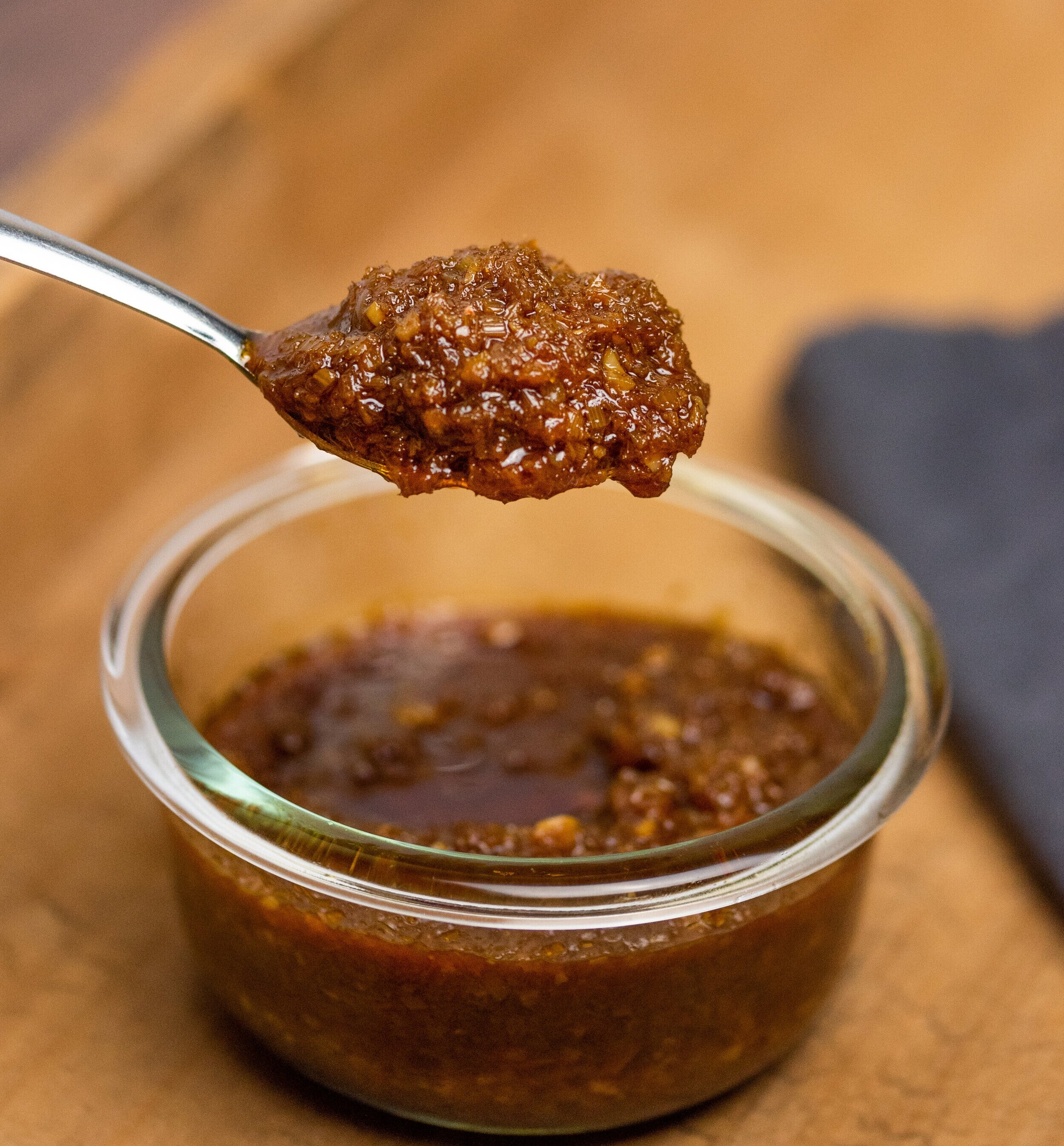
Ớt Sa Tế | Chili Lemongrass Paste
Ớt = Chili
Sa = Lemongrass
A Vietnamese Accompaniment loved by all
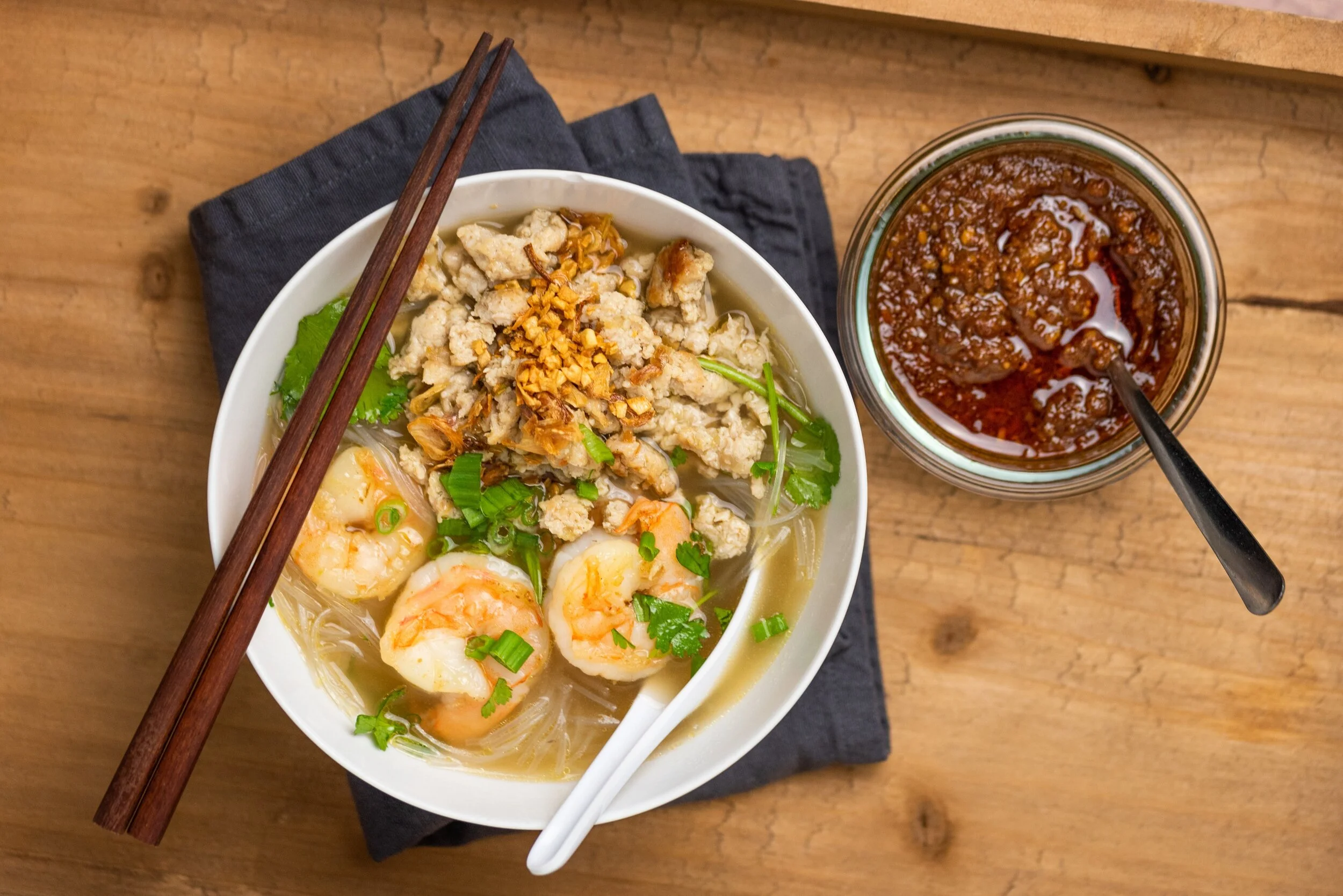
Ớt Sa Tế to accompany Hủ tiếu
This chili paste is a hodgepodge of influences from many countries. Welcome to Vietnam’s melting pot of Chinese, Cambodian, Malayasian, and Indian influences when it comes to this paste.
With or without heat, it’s hands down the easiest way to doctor up plain vegetables, makes an incredible marinade and an easy way to enhance flavor in many Vietnamese Noodle Soups.
It lasts for a few months in the refrigerator and makes for a great gift for any Asian food loving friend.
Satay and Ớt Sa Tế are not the same
I think for the American population satay is most commonly referred to as the peanut sauce with grilled meats.
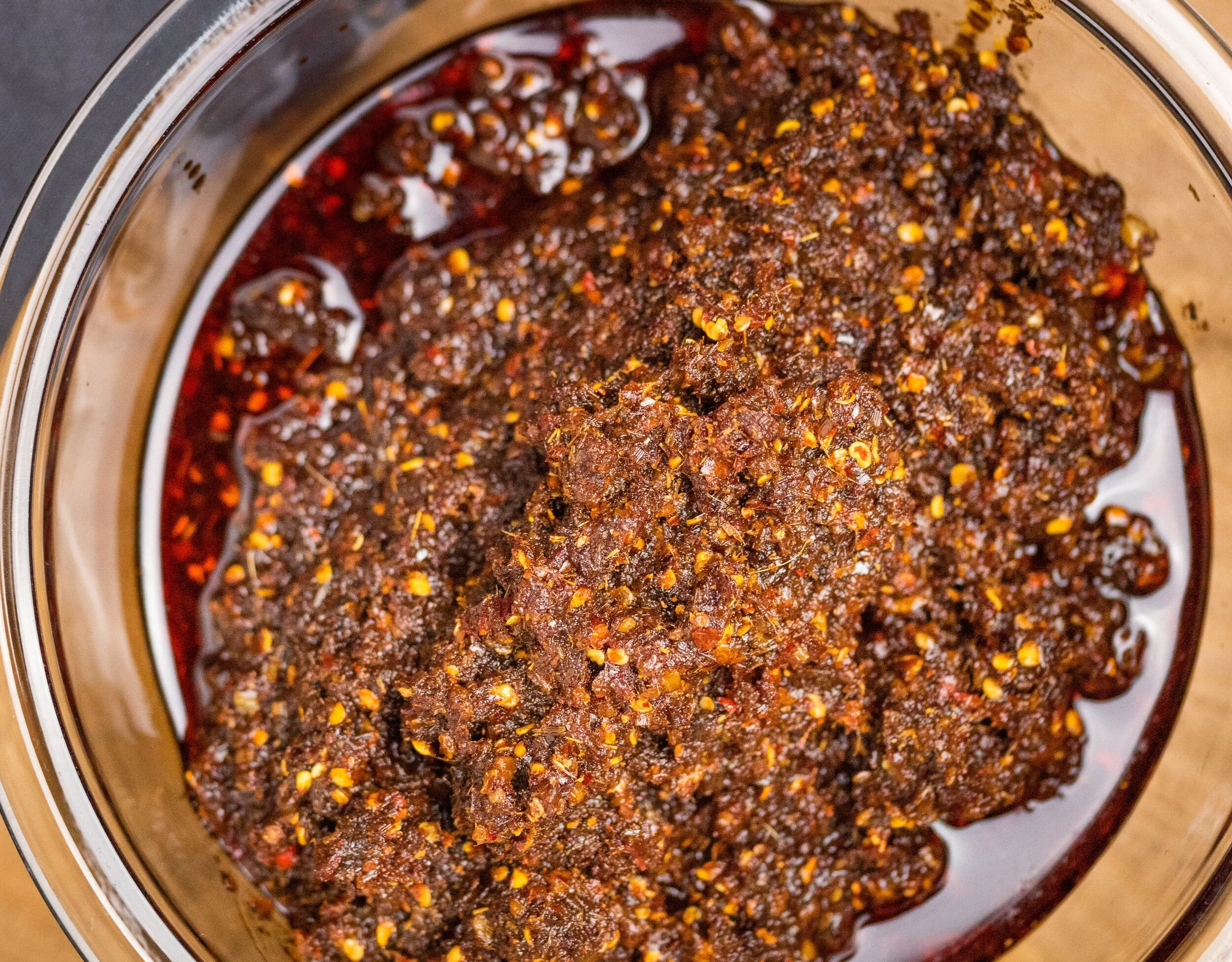
Chili Lemongrass paste is a different beast altogether. It’s a beautiful red oil with a variety of spices.
You’ll often find this chili oil in little round clear plastic containers with spoons in them at Chinese/Vietnamese restaurants.
They’re usually placed next to black rice vinegar, and/or pickled green jalapenos (ớt ngâm giấm chua ngọt).
THE DO NOTS
The most important thing about this chili paste is that you and your family enjoy it. I’ve made this without heat to accommodate my kids and with enough heat to take down a forest.
With that being said, you want your paste to have body. The addition of dry, fresh, whole, powdered spices and aromatics do just that.
I’m not big on finding long strands of lemongrass that make me think of hair when I’m eating, so chop well enough for it to dissolve in soup.
Follow these simple instructions for success to create an accompaniment that will transform any simple meal.
Do Not use high heat.
Do Not caramelize any ingredients.
Do Not rough chop any ingredients.
Do Not improperly store finished recipe.
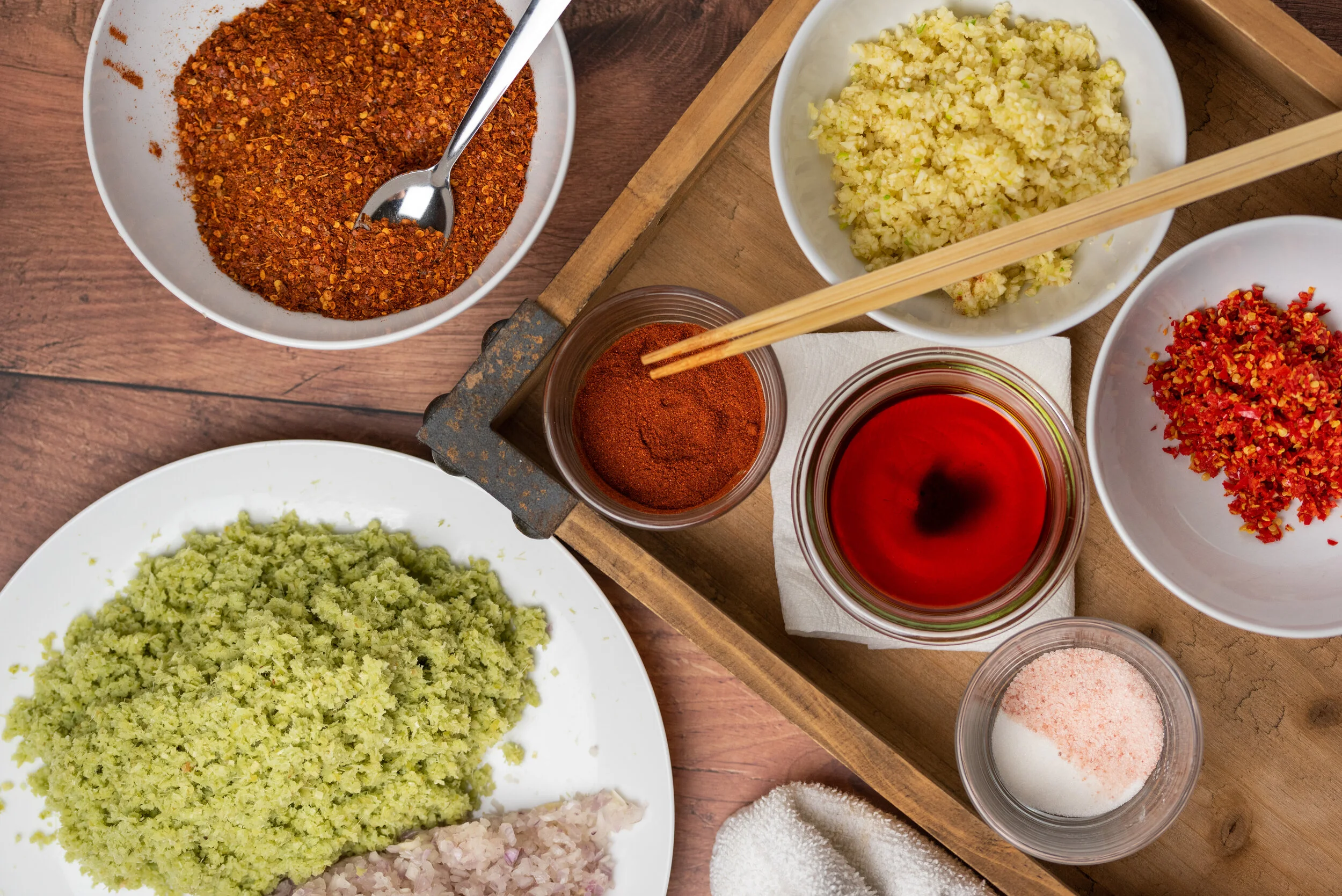
The ingredients.
MEET THE PLAYERS
Lemongrass
Fresh or frozen? Real talk? I hoard fresh lemongrass for things like tom yum soup, curry, bo kho, or anything that requires it for stock. I’m all about sweat equity, but I’m just not about it when it comes to lemongrass and my equipment.
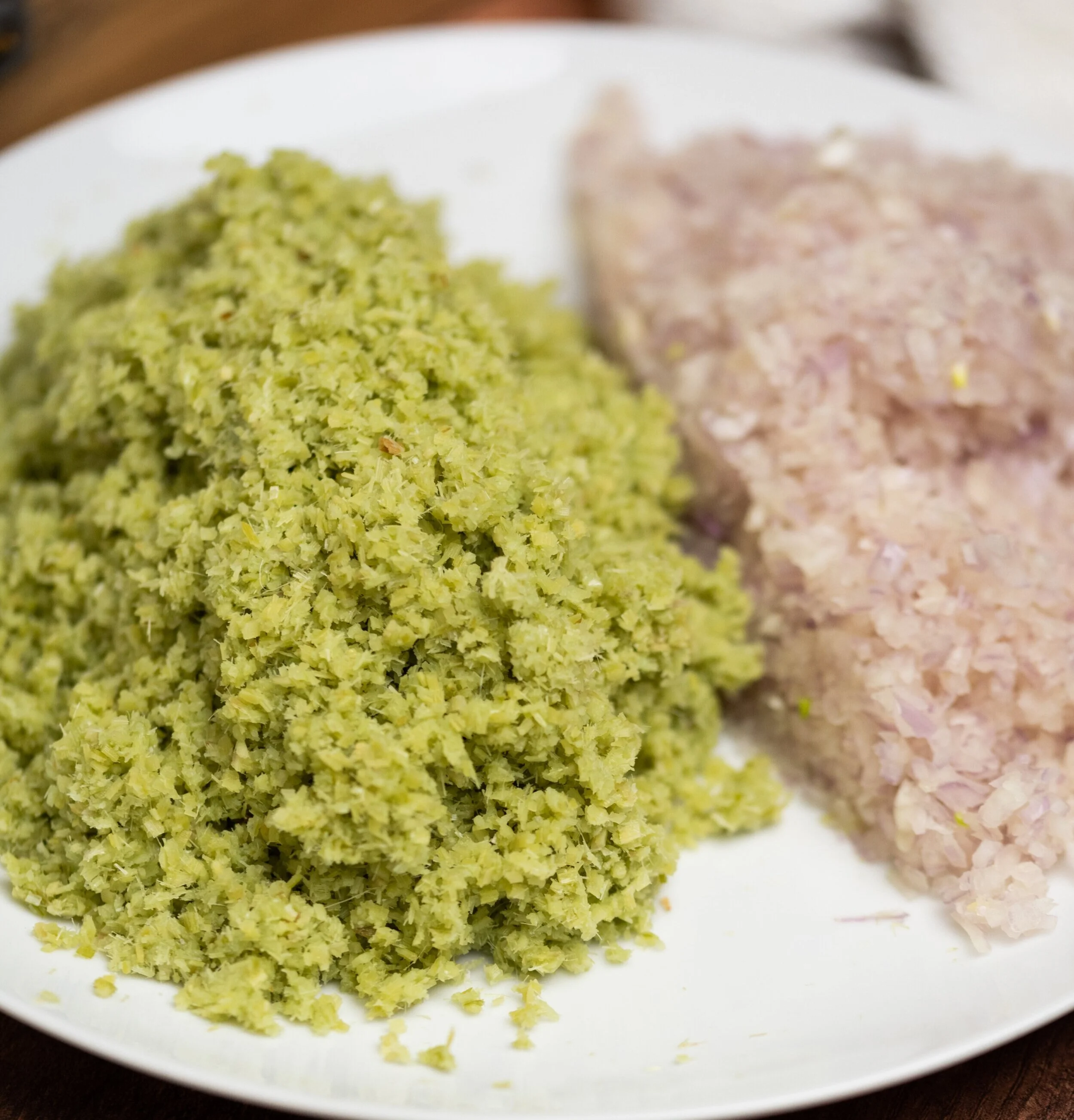
Frozen lemongrass makes life easy and is cheaper.
I’m not a huge fan of smashing, ruining good knives or my food processor for a really fibrous aromatic like lemongrass.
It’s cheaper to buy it frozen and simplifies my life substantially. Buy it frozen if you can and thank me later.
Adding lemongrass is what makes this recipe Vietnamese versus the rest of the Asian culinary world’s chili paste.
It’s an amazing aromatic and does wonders for this paste. Lemongrass brightens up the heat, while adding a freshness that only it can do.
Bird’s eye aka Thai Bird Chili Peppers
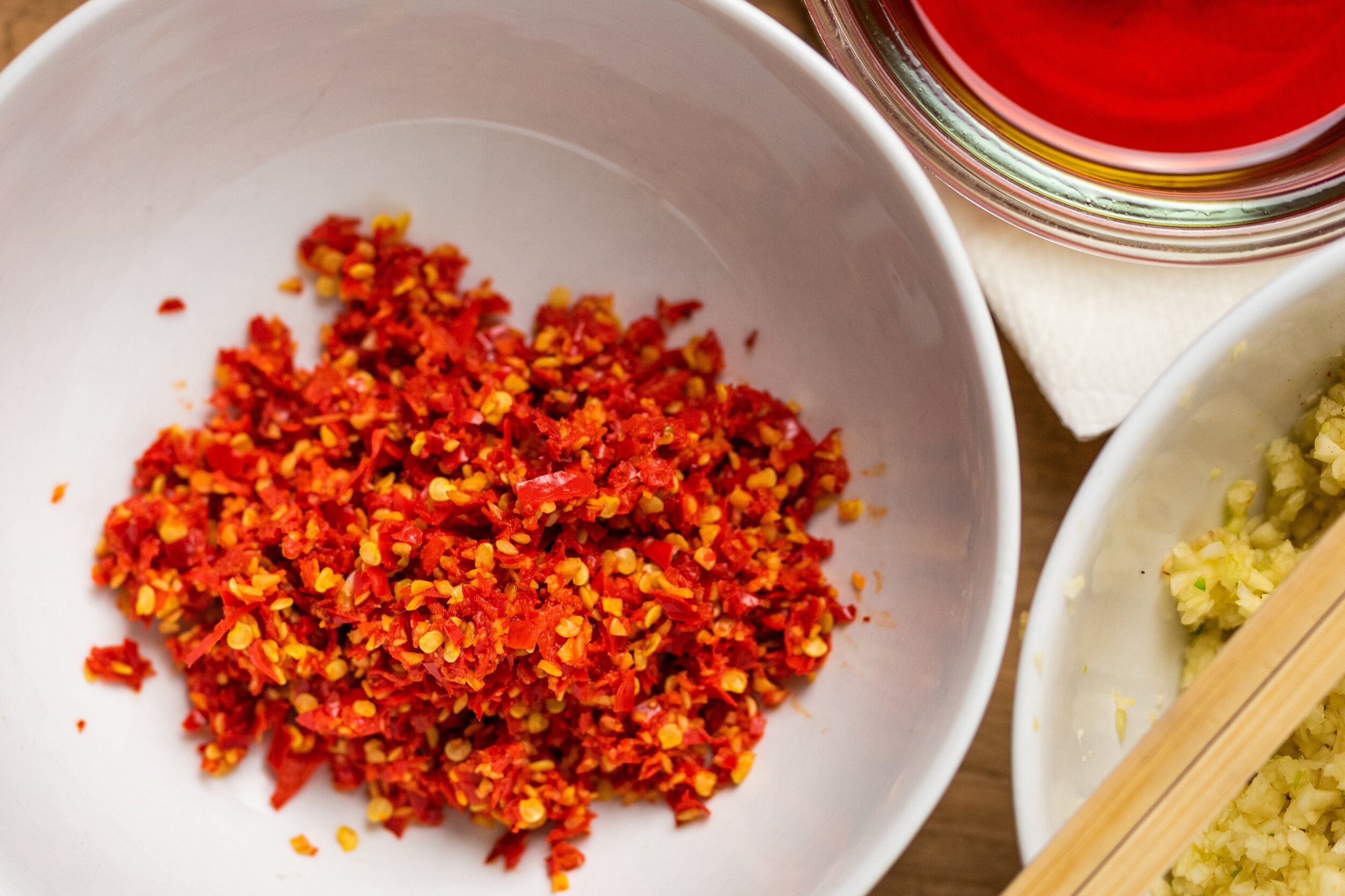
Fresh Thai Bird Chili Peppers can be deseeded to bring down the heat.
A Vietnamese Chili paste is not a chili paste without the addition of Thai Bird Chili Peppers. If you’ve ever seen a traditional Viet table, we usually eat these whole on the side with meals.
You’ll find these chilis chopped into ringlets and added to fish or soy sauce. It’s in everything.
If you’re not a heat fan, you can scrape out the seeds. The addition of sugar and everything else will help to mellow out the heat.
Use the red ones if you can. I find the green ones to be a bit on the bitter side and the red ones a little more sweet. It also just makes our chili a little more colorful.
Paprika
Hot, sweet, or smoked. There are so many different options. I use smoked paprika. I love the smell of the oakiness and the flavor it imparts.
Use what you prefer, but paprika is most definitely an important part of this dish. Just in case you didn’t know paprika is not spicy at all.
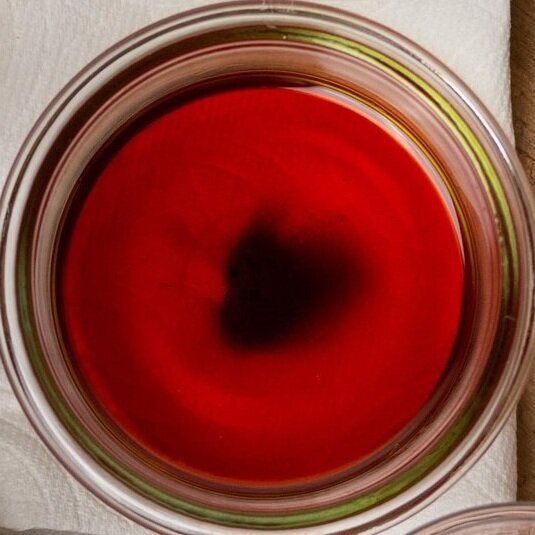
Annatto oil helps to bring earthiness and vibrancy in color.
Annatto OIL
Achiote/Annatto are one in the same. This paste has a beautiful vibrant red color that comes not only from a culmination of different peppers, but the addition of annatto oil.
Annatto seeds are carefully steeped in oil to create a beautiful orange-ish red. It adds an earthiness to Ớt SaTế.
SPECIAL TIPS
Our goal is to sweat the fresh ingredients without caramelizing them. Cooking the lemongrass at high heat can create a crunchiness that doesn’t meld well with other spices.
Lemongrass cooked low and slow helps to break down the fibers a bit and makes it easier to meld with the onion and garlic.
The second most important tip is the placement of the spices. Dried spices cooked for too long or at a high heat will become bitter.
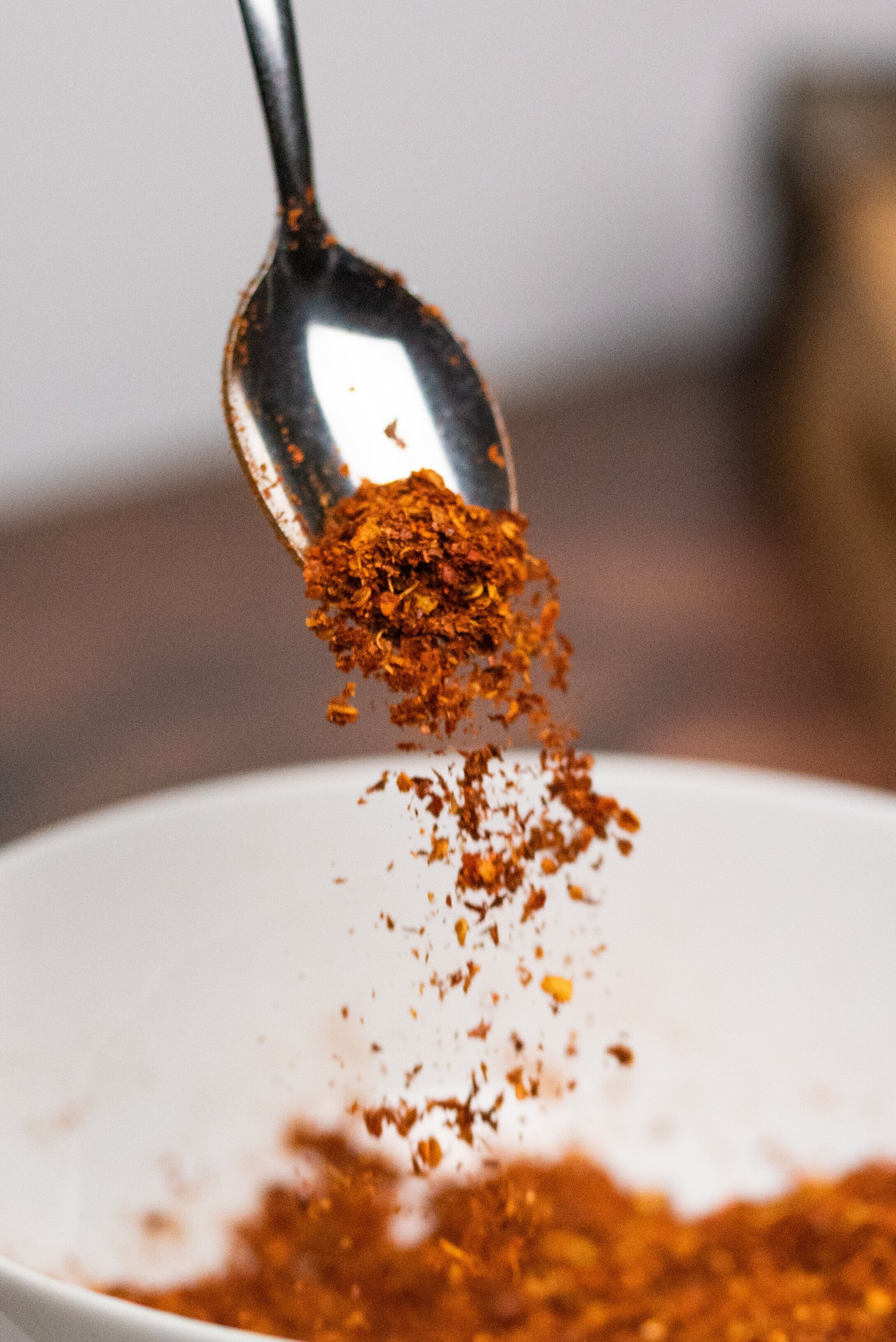
The addition of the dried spices at the end on LOW heat is important to note. It is strategically placed at the end of cooking.
We add in the spices at the end to release the oils and have them become fragrant. The most important thing is to cook it on low heat.
Doing this helps to retain the integrity of these ingredients for storage. It also supports carrying these flavors through their final destination with whatever dish you decide to pair with.
HOW YOU SHOULD EAT THIS
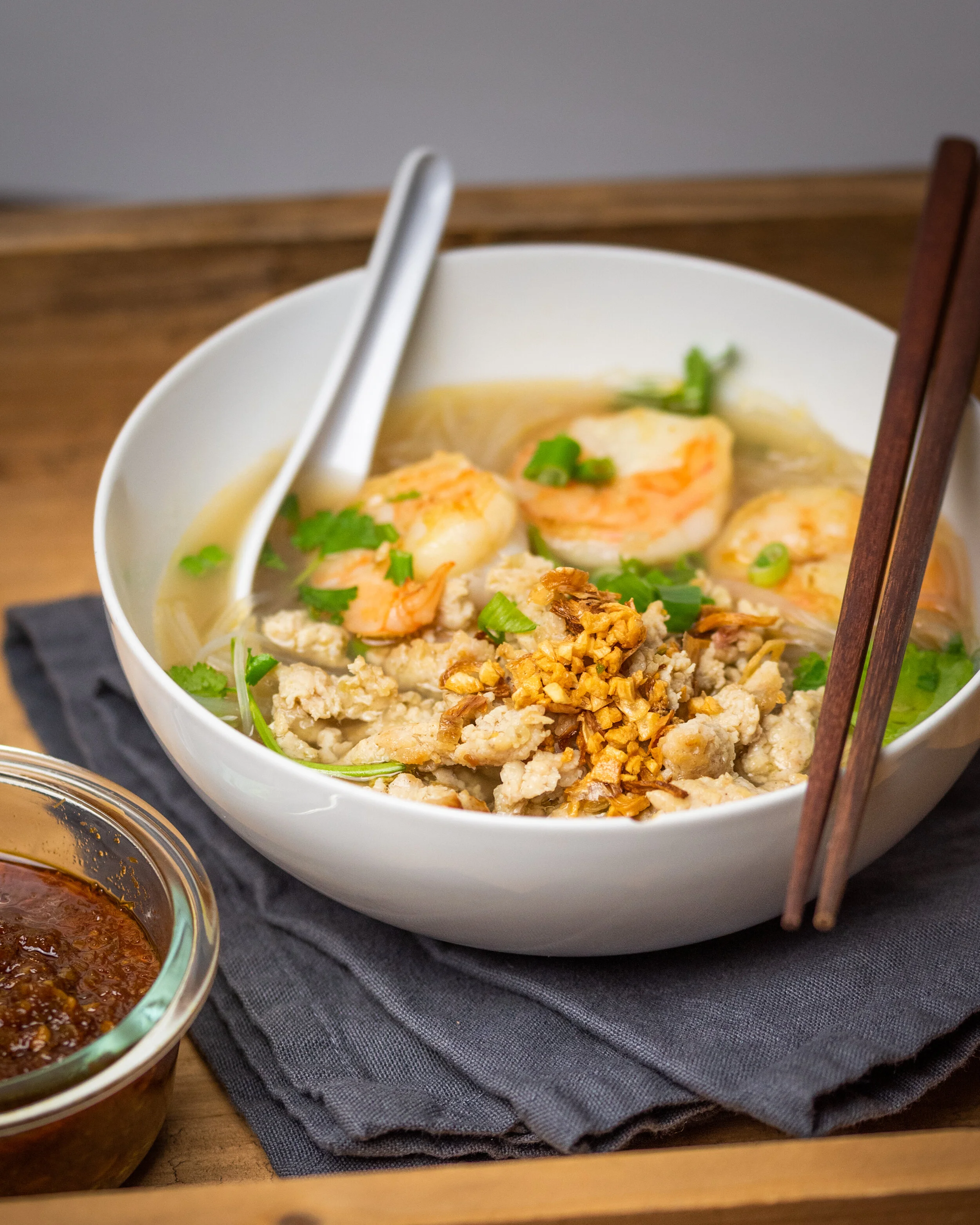
Ớt Sa Tế is typically eaten with your favorite noodle soups. Add it after tasting the broth to your liking. You can use this as a marinade for your favorite proteins. Boil your favorite noodles and add it to a chicken broth for an incredible soup. I love fresh cooked noodles smothered in this sauce.
FINAL THOUGHTS AND NOTES:
If you’re not eating it right away, please make sure to store this properly. It will keep well in the refrigerator for a few days. Anything longer needs to be stored in the freezer until ready to use. Freeze it in an ice cube tray and place frozen cubes in a freezer safe container.
Please do not store unrefrigerated or try home canning systems with this recipe. Food safety is important and botulism is a real thing. These ingredients are low acidic foods combined with oil, it’s better eaten immediately or frozen until ready to eat.
LET’S GET STARTED!

Ớt Sa Tế | Chili Lemongrass Paste
Ingredients
Instructions
- Over medium heat in a saucepan, add oil and lemongrass. The lemongrass will slowly warm up with the oil. Steeping it makes the oil fragrant.
- Once the lemongrass becomes fragrant about 3-5 minutes (without turning color) add the shallots.**
- After the shallots have had a chance to sweat with the lemongrass add garlic, allow the flavors to meld (approximately 3-4 minutes).
- Add paprika, salt, sugar, and annatto oil. Stirring occasionally to ensure the bottom doesn’t brown and ensuring everything is well incorporated (approximately 5 minutes).
- If there are heat sensitive folks, pull aside a small container without any heat. If not continue to the next step.***
- At this point add the remaining 19 grams (1 tbsp + 1 tsp if using imperial measurement) of oil and allow it to come to medium temperature. Add remaining chili’s and continue to cook over low heat for 8-10 minutes).
- Turn off the heat and use with your favorite recipe!***
Notes:
*Adjust heat to your liking. To use Thai Bird Chili's without heat, deseed them prior to cooking. Chili flakes heats will vary depending on the type. Use and temper to your own taste buds here.
**At no point should the lemongrass or shallots caramelize. If it begins to caramelize, remove from the heat and turn down the temperature. Bring the pan back to the burner once the heat has cooled.
***I pulled aside 3.5 oz (95 grams) of no-heat, to have 2 (3.5 oz) containers remaining with heat.
****If not using immediately, store in an airtight container and refrigerate for up to three days. Alternatively freeze until ready to eat. Will freeze for up to 3 months.
